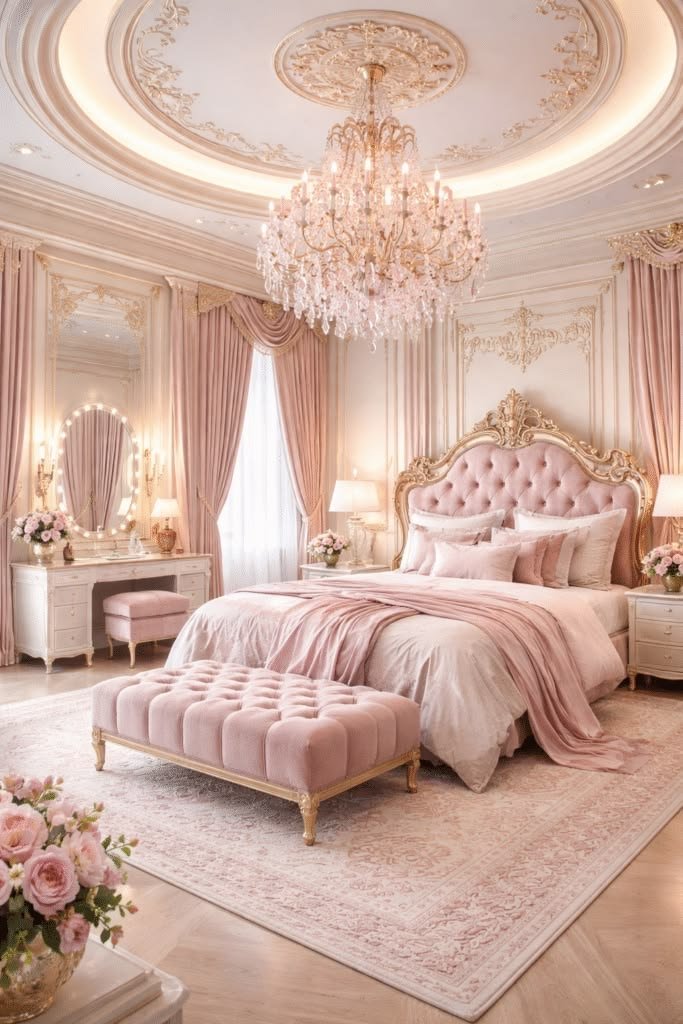
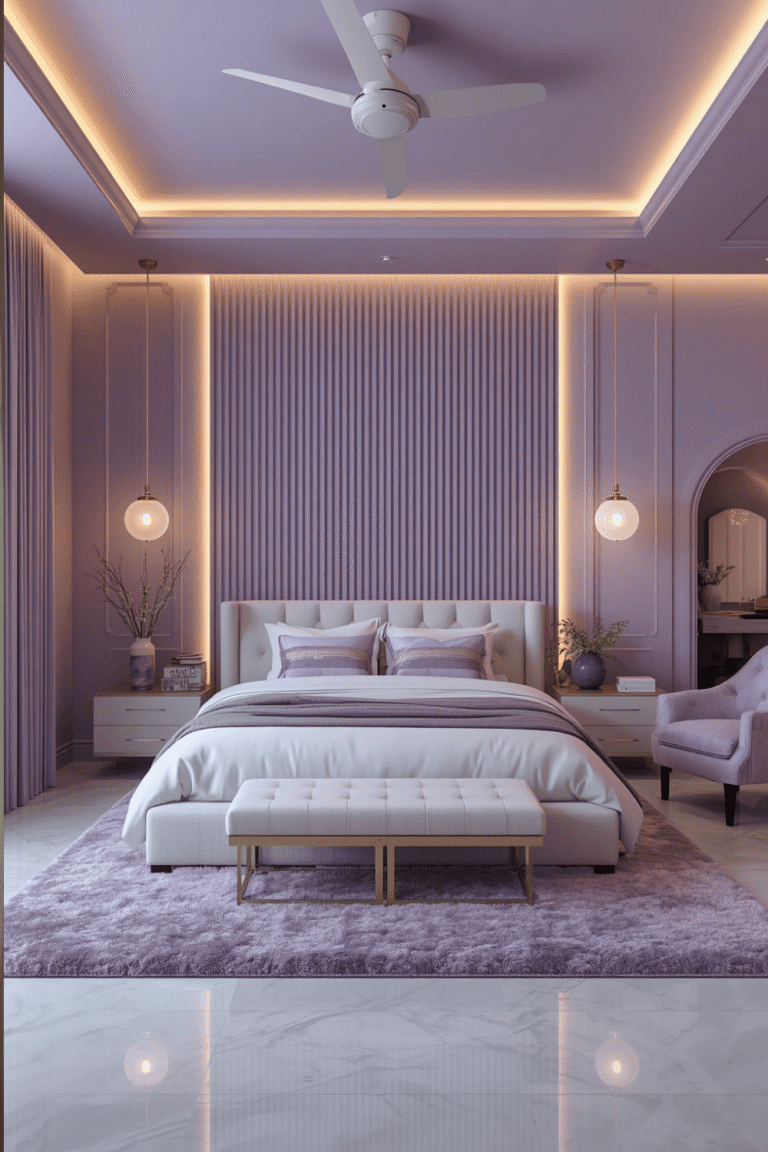
Lavender Bedroom Ideas | Purple Bedroom Decor for a Dreamy Modern Space
I painted my bedroom a cool, icy lavender because it looked so calming and dreamy in photos, picturing myself sleeping in a soft, tranquil space every night. Once it was finished, the room actually felt cold and slightly clinical, closer to a sterile waiting room than the cozy retreat I’d imagined. The blue undertone in that particular shade, combined with my existing white bedding and silver hardware, made the whole space feel flat and a little uninviting.
It took some real trial and error with undertone selection and warming up the surrounding materials before lavender finally worked the way I originally pictured. Here’s what I learned making this notoriously tricky color feel cozy instead of clinical.
Lavender’s Undertone Determines Whether It Feels Cozy or Cold
I initially chose my lavender purely based on how dreamy and calming it looked in a magazine spread, without considering that lavender specifically comes in versions leaning more blue-gray or more warm-pink, and that undertone dramatically changes how the finished room actually feels to be in.
Once I understood that my original shade leaned distinctly cool and blue, my approach to fixing the room completely shifted toward warming things up rather than changing the color family entirely.
My Mistake: Cool-Toned Lavender Paired With Only Cool, Silver Accents
My original room combined a blue-leaning lavender with white bedding, silver drawer pulls, and chrome lamp bases, essentially doubling down on coolness with every single supporting choice. Nothing in the room offered any warmth to balance that cool undertone, which is exactly why the whole space felt clinical rather than cozy.
I kept the lavender walls but swapped my silver hardware for warm brass, added a cream and warm gray layered bedding set instead of stark white, and the whole feeling of the room shifted dramatically without needing to repaint anything.
Step-by-Step: Creating a Lavender Bedroom That Feels Cozy, Not Cold
1. Identify your lavender’s specific undertone before pairing anything else
I now hold my lavender swatch against warm white and cool white paper side by side in daylight to see which direction it actually leans. That comparison told me my original shade leaned cool, which explained why it needed warmer surrounding elements to balance rather than more cool tones layered on top.
2. Pair cool lavender with warm metal finishes
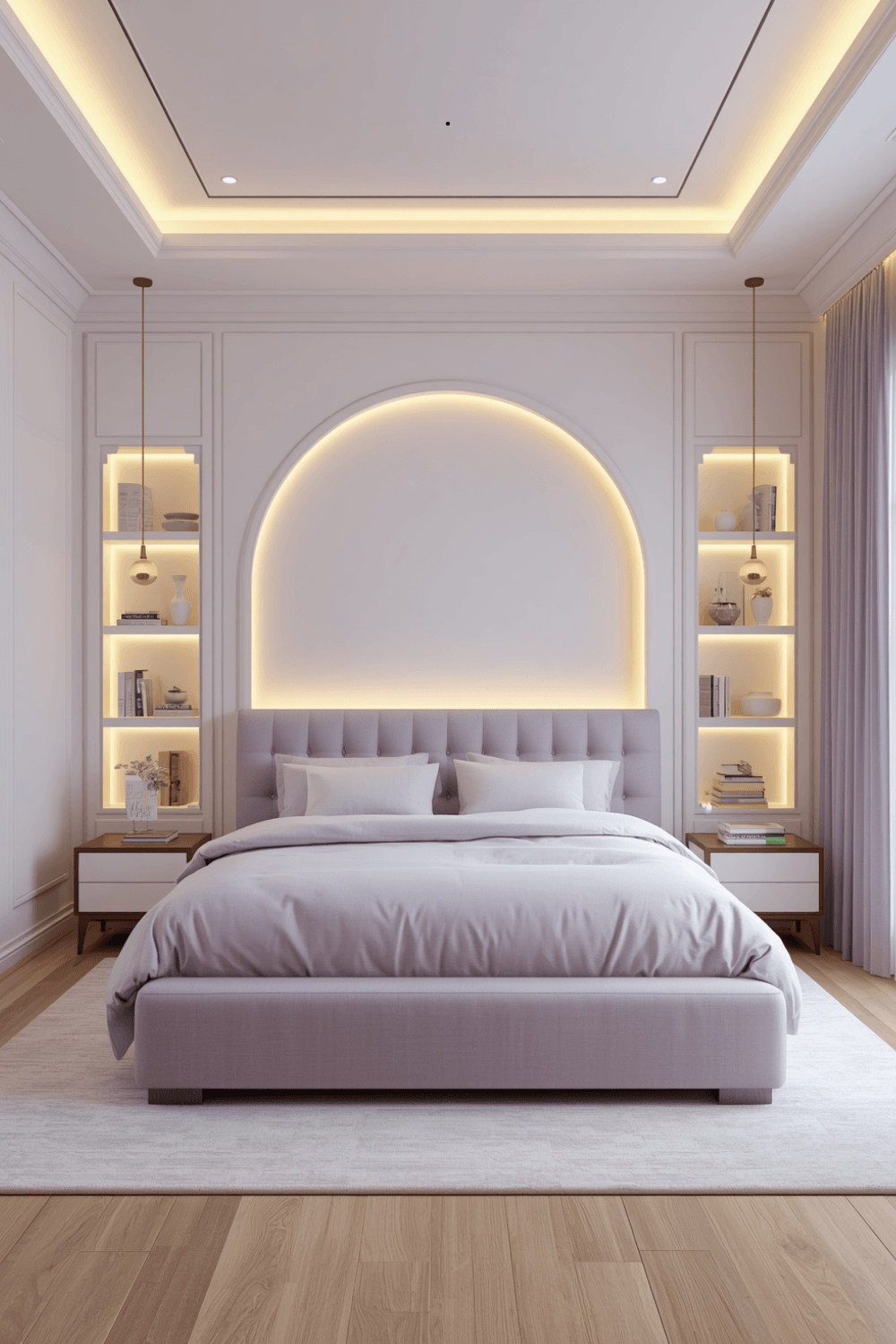
I switched from silver and chrome hardware to warm brass throughout the room, on drawer pulls, lamp bases, and picture frames. That warmth genuinely balanced the cooler undertone in my walls in a way more silver or chrome accents never could have.
3. Layer in warm-toned bedding instead of stark white
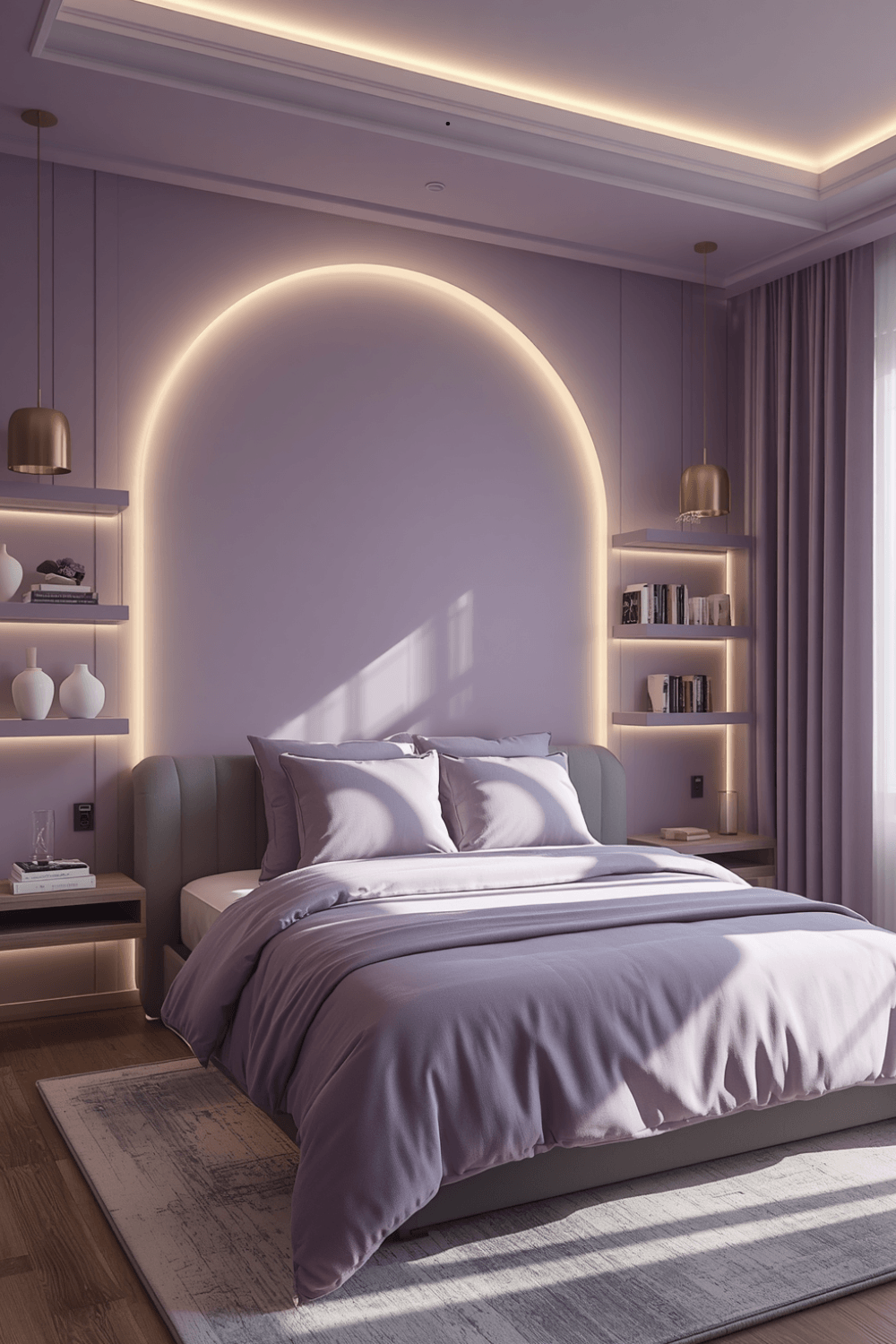
I replaced my crisp white duvet with a cream and warm taupe layered bedding set, which softened the overall coolness of the room considerably. Stark white against cool lavender amplifies the chill, while warmer neutrals genuinely balance it out.
4. Add warm wood furniture to ground the space
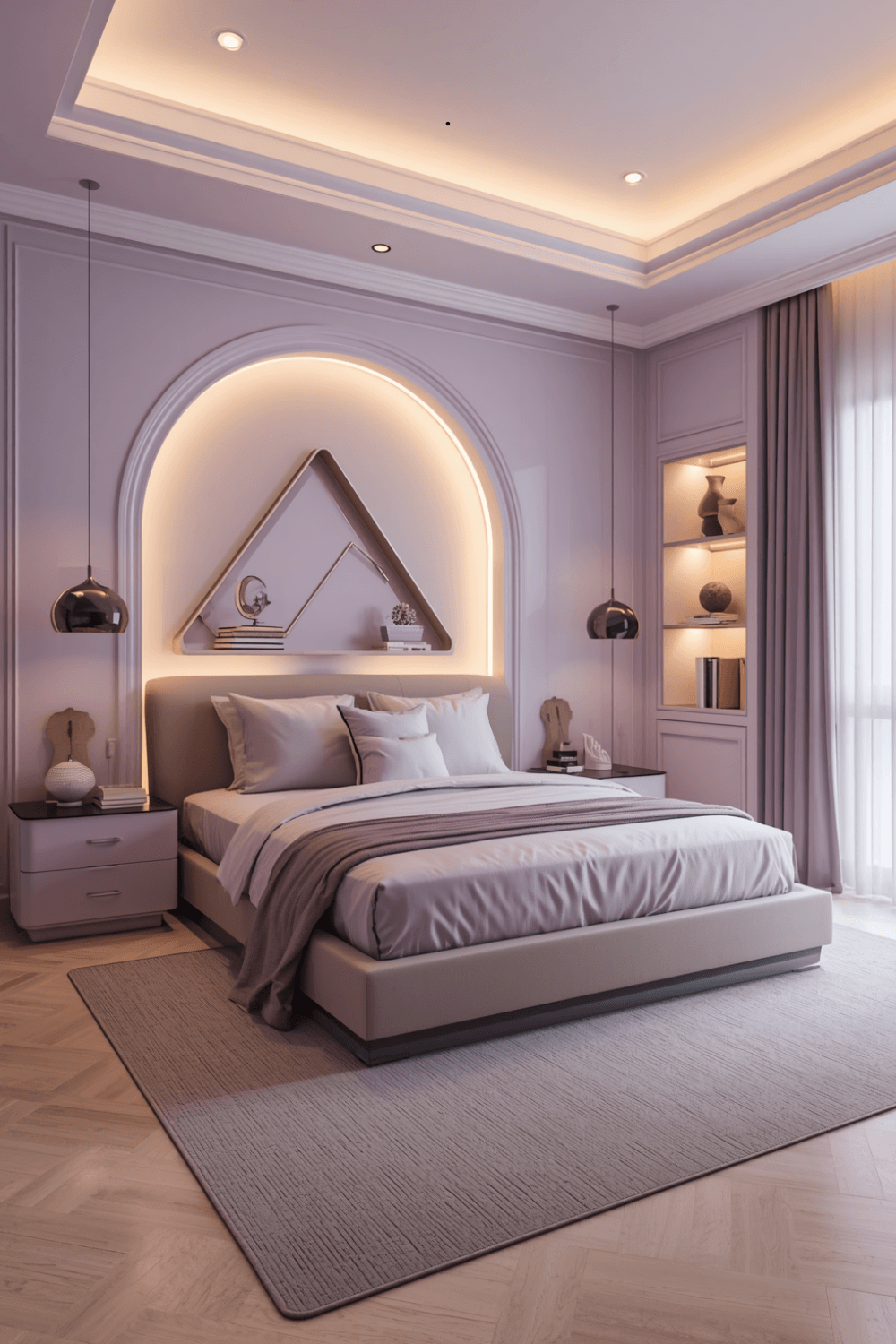
I brought in a walnut nightstand and a matching dresser, both with genuine warm wood tones rather than the cooler gray-washed furniture I’d originally had. Warm wood does significant work balancing a cool color palette without needing to change the wall color itself.
5. Use warm-toned lighting throughout the room
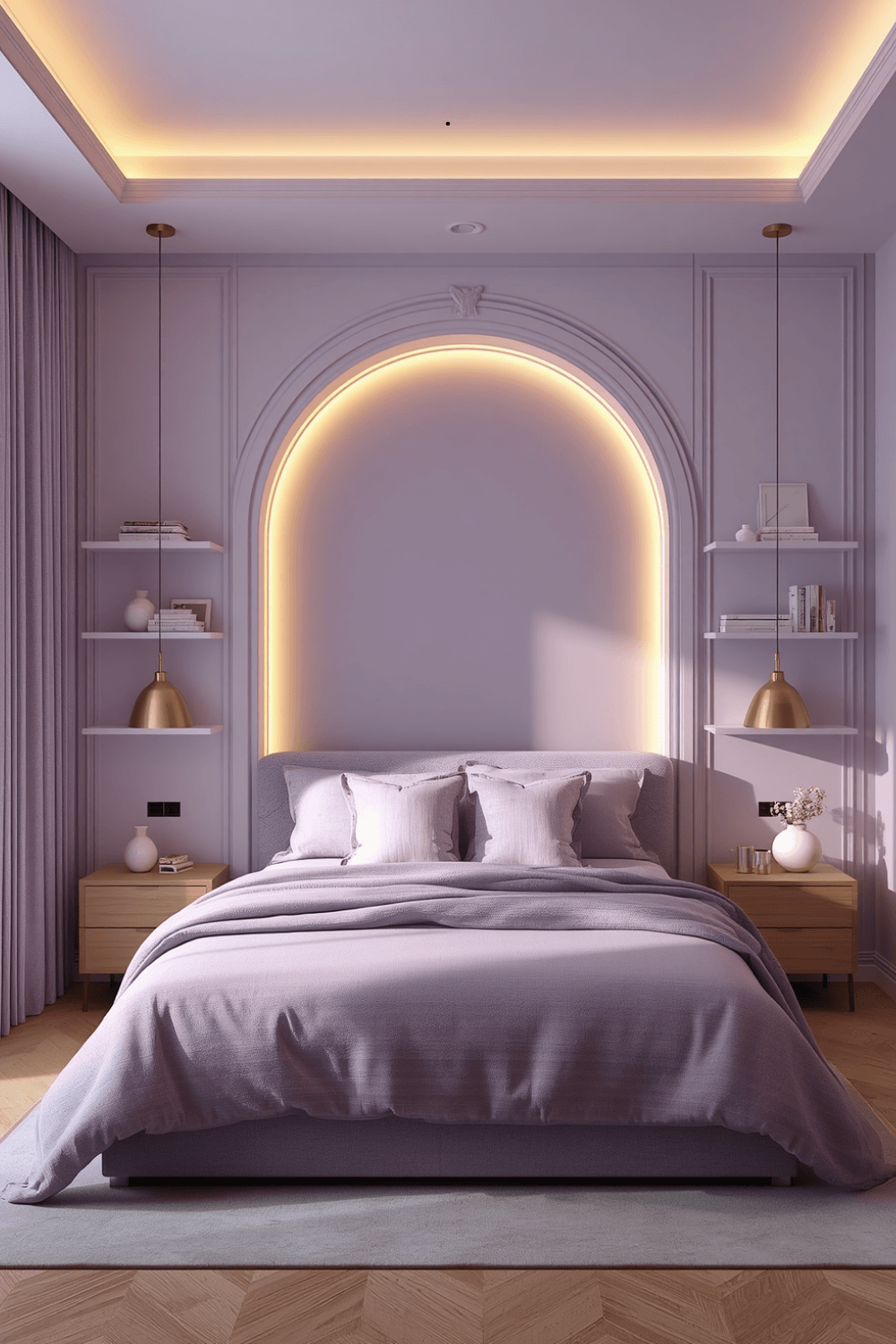
I switched all my bulbs to a warm 2700K temperature, which made a noticeable difference in how the lavender walls actually read in the evening. Cool-toned bulbs amplify a blue-leaning lavender’s chilliness, while warm bulbs soften it considerably.
6. Consider a warmer lavender shade if you’re starting fresh
If you haven’t already committed to a specific shade, I’d now recommend testing lavenders with a slightly pink or mauve undertone rather than blue-gray ones, especially if coziness is your priority. Those warmer-leaning lavenders are inherently easier to make feel inviting without needing as much compensating warmth elsewhere.
7. Add texture through natural materials like jute or wool
I added a chunky wool throw and a jute area rug, both of which introduced tactile warmth that a purely smooth, cool color palette couldn’t achieve on its own. Texture genuinely does a lot of emotional work in making a cool color feel cozy rather than sterile.
Real Examples From People I Know
A friend chose a warmer, dusty mauve-lavender from the start, paired with brass accents and warm wood furniture throughout. Because her base shade already leaned warm, her room read as cozy immediately without needing the kind of correction mine required.
Another friend kept a cooler, more blue-leaning lavender but leaned heavily into layered warm lighting, several lamps at different heights, all with warm bulbs, rather than relying on daylight or overhead fixtures. She says the lighting alone did more to warm up her cool lavender room than any material or furniture change could have.
Common Mistakes to Avoid
Choosing a lavender shade without checking its specific undertone first. Blue-leaning versions need considerably more warmth elsewhere to avoid feeling cold and clinical.
Pairing cool lavender with cool metals and stark white bedding. Doubling down on coolness throughout the room amplifies the clinical feeling rather than balancing it.
Relying on cool-toned bulbs in a lavender bedroom. Warm lighting genuinely softens how a cool color reads, especially in the evening.
Skipping warm wood or natural texture entirely. These elements do significant work balancing a cool color palette without requiring a full repaint.
Assuming all lavender shades will feel equally cozy. The specific undertone matters more than people expect for how inviting the finished room actually feels.
Final Thoughts
My lavender bedroom taught me that this particular color’s coziness depends heavily on its specific undertone and what surrounds it, not on lavender itself being inherently cold or clinical. The brass hardware swap and warmer bedding alone transformed how the same basic wall color felt to actually sleep in every night.
If you’re drawn to a lavender bedroom, check your shade’s undertone before choosing supporting materials, lean toward warm metals and wood over cool ones, and don’t skip warm-toned lighting. That combination is really what separates a lavender bedroom that feels like a cozy retreat from one that ends up feeling more like a hospital room than somewhere you want to sleep.