Small Modern Living Room Ideas That Actually Work (Real Tips)
Small Modern Living Room Ideas: What Actually Worked in My 250-Square-Foot Apartment
When I moved into my first apartment, the living room was so small that my couch touched two walls at once. I remember standing in the middle of it thinking there was no way to make this feel like an actual room instead of a hallway with a TV in it.
I spent way too much money early on buying furniture that looked great in photos and made my space feel even smaller in person. It took some real trial and error, plus a lot of returned furniture, before I figured out what actually works in a tight space. If your living room feels more cramped than cozy, here’s what genuinely helped mine.
Small Doesn’t Mean You Sacrifice Style
I used to think small space living meant giving up on having a “real” design aesthetic and just cramming in whatever fit. That’s not true. The furniture and layout choices are just more critical, because every single piece has to earn its spot instead of just filling space.
Once I started treating every item like it needed a real reason to be there, the room actually started looking more intentional, not less styled.
Buying Furniture Based on Style Alone
My first couch was a deep, oversized sectional that looked amazing in the store showroom. In my actual apartment, it swallowed almost the entire room and left barely enough space to walk around it. I lived with that mistake for almost a year before finally selling it and starting over with actual measurements in mind.
The replacement was a slim-profile loveseat with visible wood legs instead of a skirted base. Just seeing the floor underneath the furniture made the whole room feel noticeably more open, even though the seating area itself was smaller.
Step-by-Step: Designing a Small Modern Living Room That Works
1. Measure everything before you fall in love with a piece
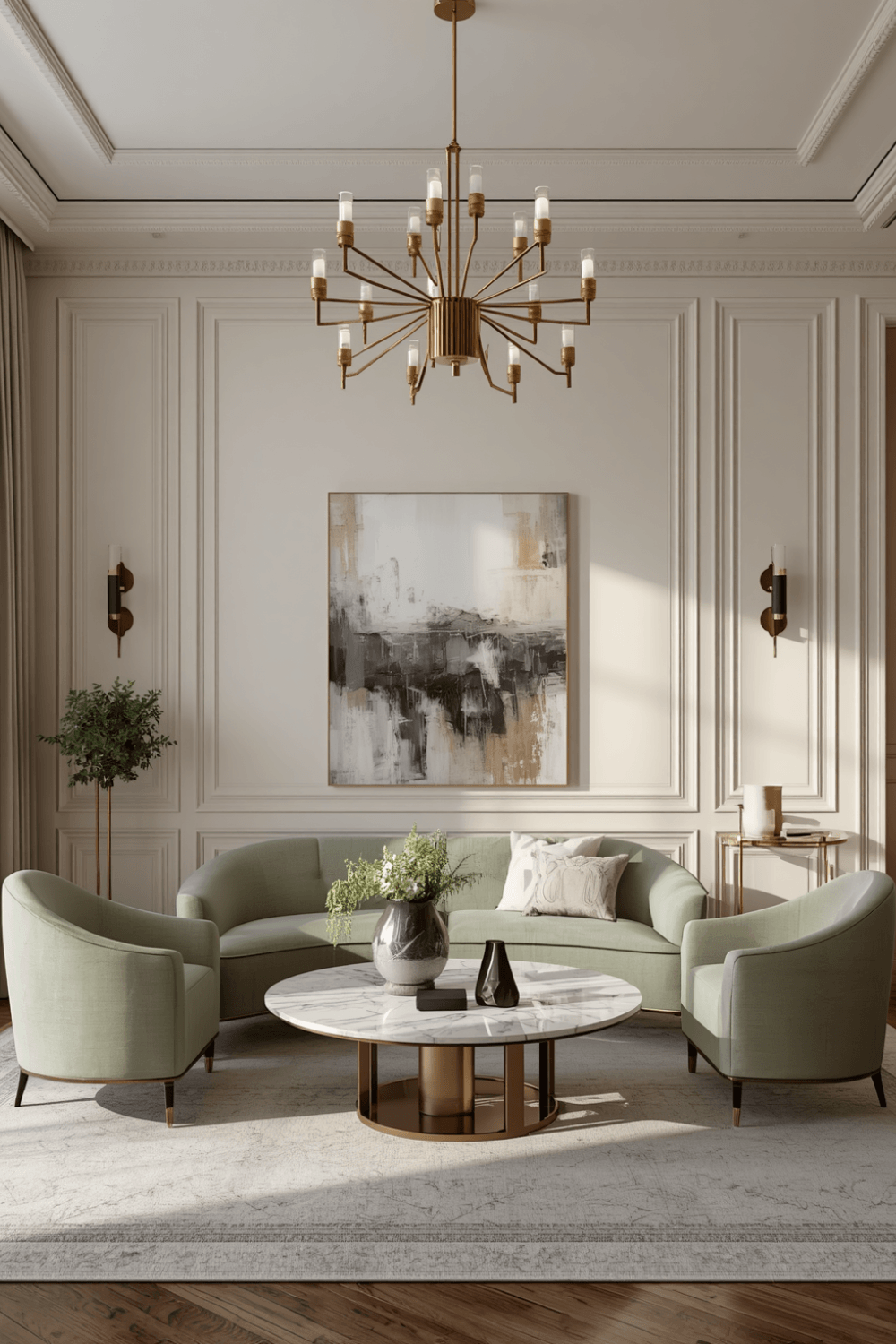
I now use a simple tape measure and painter’s tape to outline exactly where a potential furniture piece would sit on my actual floor before buying anything. It sounds tedious, but it saved me from repeating my oversized sectional mistake more than once.
2. Choose furniture with visible legs, not skirted bases
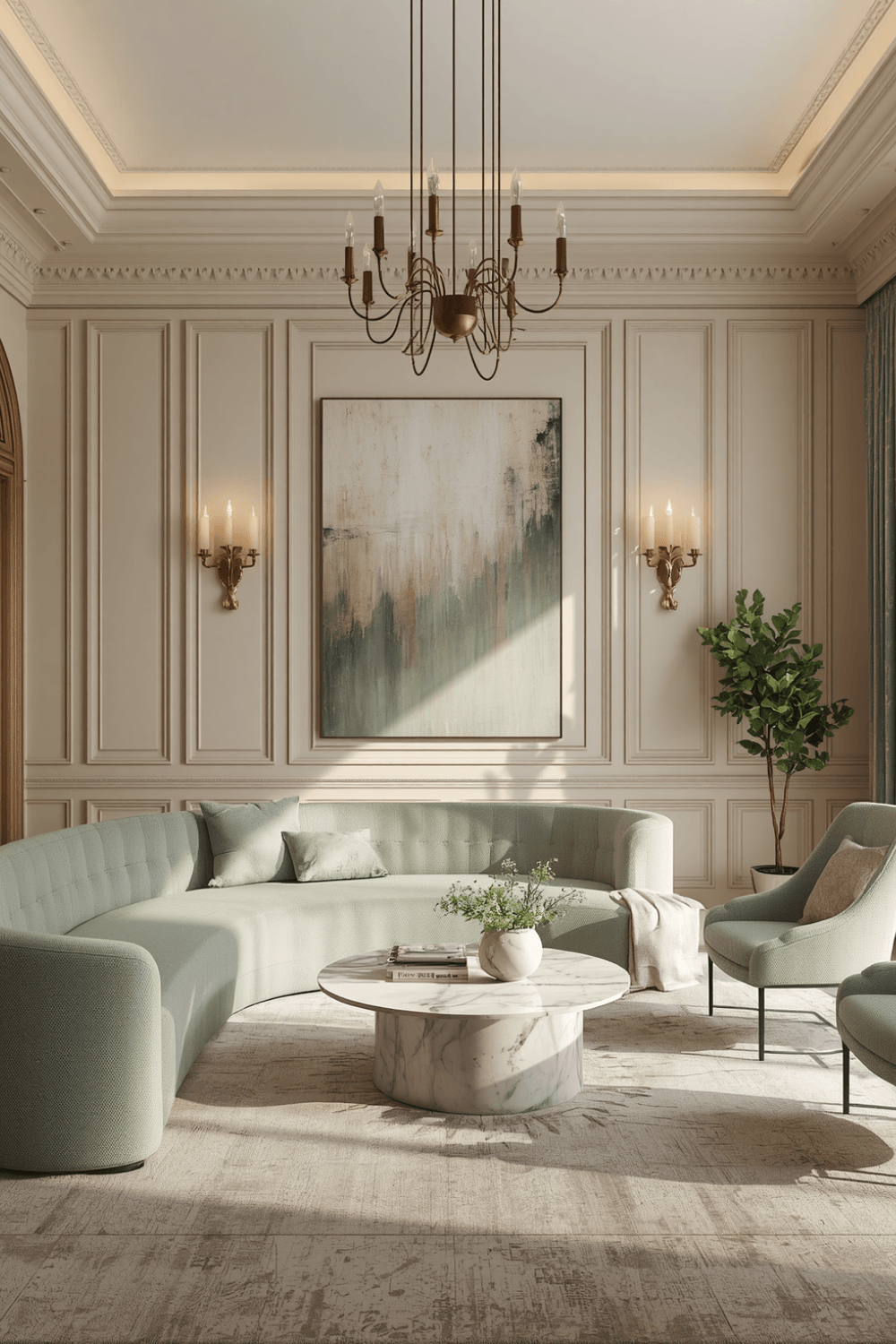
This was probably the single biggest visual trick I learned. Furniture that shows the floor underneath it reads as lighter and takes up less visual space, even at the exact same footprint as something with a solid skirted base.
3. Use multi-purpose furniture wherever possible
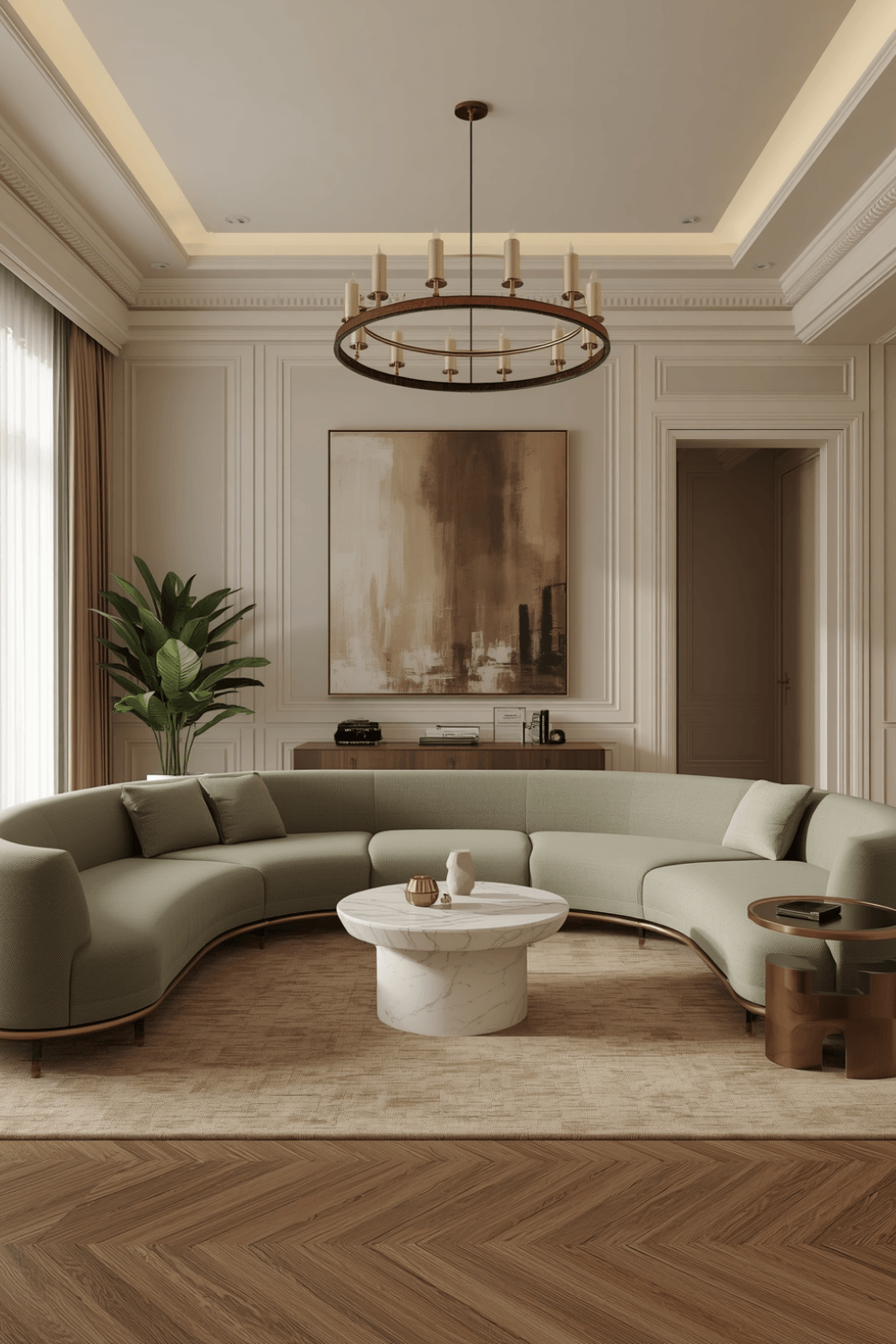
I replaced my coffee table with a storage ottoman that doubles as extra seating when friends come over. I also use a console table behind my loveseat that holds books and decor on top while hiding extra blankets in a bottom shelf. Every piece pulling double duty meant I needed fewer total items in the room.
4. Go vertical instead of spreading out horizontally
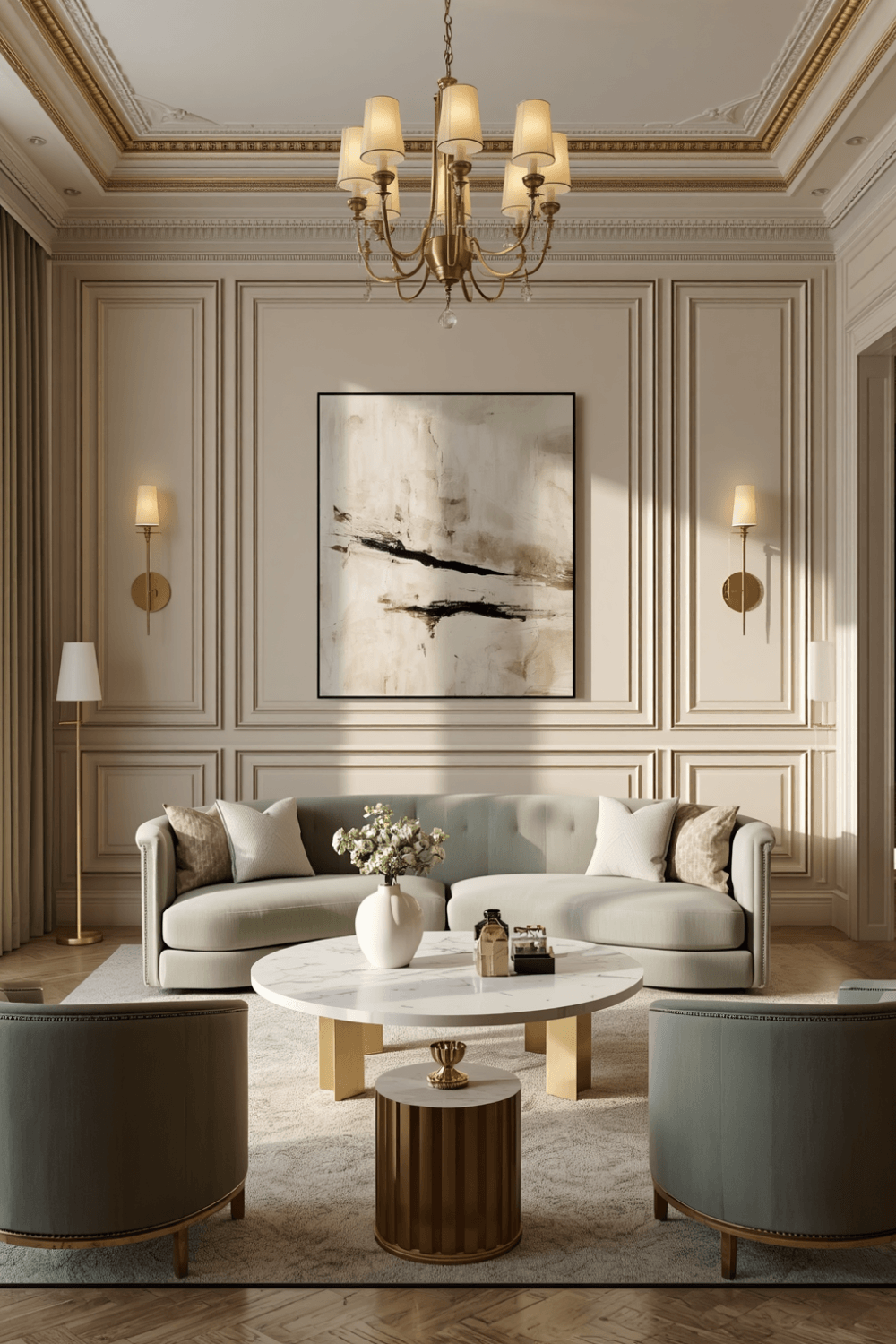
Floor space is precious in a small room, so I added wall-mounted shelving instead of a bulky bookshelf. It freed up a surprising amount of usable floor space while still giving me plenty of storage and display room.
5. Stick to a lighter, more unified color palette
I kept my walls a warm white and my big furniture pieces in similar light neutral tones. A room full of contrasting dark colors on every surface tends to visually chop up a small space, while a more unified light palette lets the eye flow through the whole room instead of stopping at each piece.
6. Use a large mirror to add visual depth
I added one oversized mirror leaning against the wall opposite my window, and it genuinely made the room feel bigger by reflecting light and doubling the sense of space. It’s a small trick, but it’s one of the most noticeable changes I made.
7. Float furniture slightly off the wall if you have the inches to spare
I know this sounds counterintuitive for a small room, but even six inches of breathing room behind my loveseat made the space feel more intentional instead of like everything was just shoved against the walls out of necessity.
8. Edit ruthlessly, one item at a time
Every few months I go through the room and remove one thing that isn’t earning its spot anymore. In a small space, clutter shows up fast, and this habit keeps the room from slowly filling back up with things I don’t actually need out on display.
Real Examples From People I Know
A friend in an even smaller studio apartment used a daybed instead of a traditional couch, which let her living area double as a guest sleeping space without needing a separate piece of furniture at all. It’s a great option if your living room needs to multitask beyond just lounging.
Another friend used a round dining table instead of a rectangular one in her combined living-dining space, since round tables don’t have hard corners jutting into walkways. It made the whole shared space feel noticeably easier to move through.
Common Mistakes to Avoid
Buying furniture based on showroom appeal instead of your actual measurements. This alone caused my biggest and most expensive early mistake.
Choosing bulky, skirted furniture over pieces with visible legs. The visual weight difference is bigger than people expect.
Filling every wall and surface with storage. Going vertical helps, but overloading every wall can make a small room feel busier, not more functional.
Using a dark, contrasting color on every piece of furniture. It tends to visually chop up a small room instead of letting it feel cohesive.
Skipping mirrors. A well-placed large mirror is one of the easiest, most affordable ways to add a sense of space.
Final Thoughts
My tiny apartment living room taught me that small space design isn’t about doing less — it’s about being more intentional with every single choice, because there’s no room for anything that isn’t actually working for you. The furniture swap to visible legs and the added mirror made the biggest difference of anything I tried.
If you’re working with a small living room of your own, start with real measurements, prioritize multi-purpose pieces, and don’t be afraid to edit things out along the way. It took me several rounds of trial and error to get mine right, but it’s absolutely possible to make a small room feel intentional and modern instead of cramped.