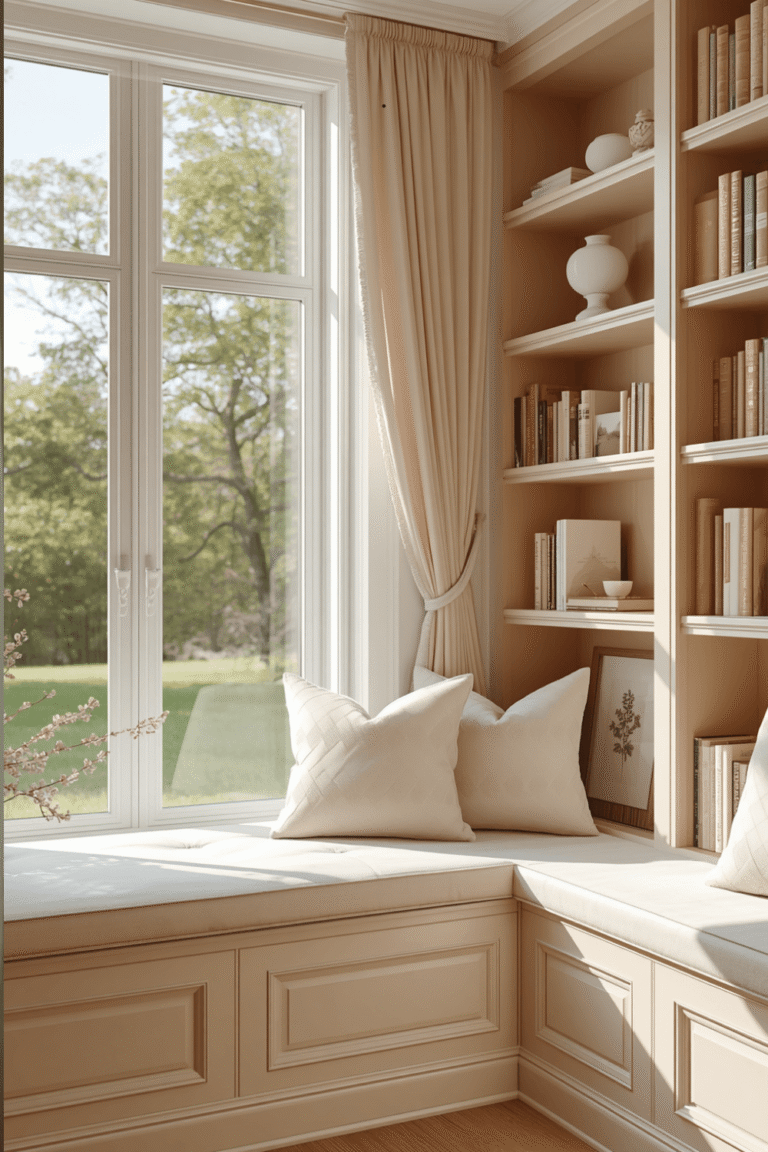
Reading Nook Ideas for a Cozy Corner You’ll Actually Use
Every home has one of those weird, slightly awkward corners that never quite knows what it wants to be. A window seat nobody sits in. A gap beside a bookshelf. A patch of floor that’s just… there.
I used to look at my own version of that corner and think, “someday I’ll figure out what to do with that.” Turns out the answer was staring at me the whole time — it just needed a chair, some good lighting, and maybe a small table. That’s genuinely most of what a great reading nook actually requires.
If you’ve got a corner like that right now, doing absolutely nothing, let’s fix that. These reading nook ideas work whether you’ve got a spacious window alcove or just a few square feet to spare.
What Actually Makes a Reading Nook Work
Before diving into specific setups, it helps to understand what separates a genuinely inviting reading nook from a chair that just happens to be near some books.
A good reading nook ideas approach typically combines:
- Comfortable, supportive seating you’d actually want to sit in for an hour
- Good lighting, both natural during the day and warm artificial light for evenings
- A small sense of enclosure or definition, so it feels like its own little space
- Easy access to what you actually need — a book, a blanket, a cup of tea
Window Reading Nook Setups That Make the Most of Natural Light
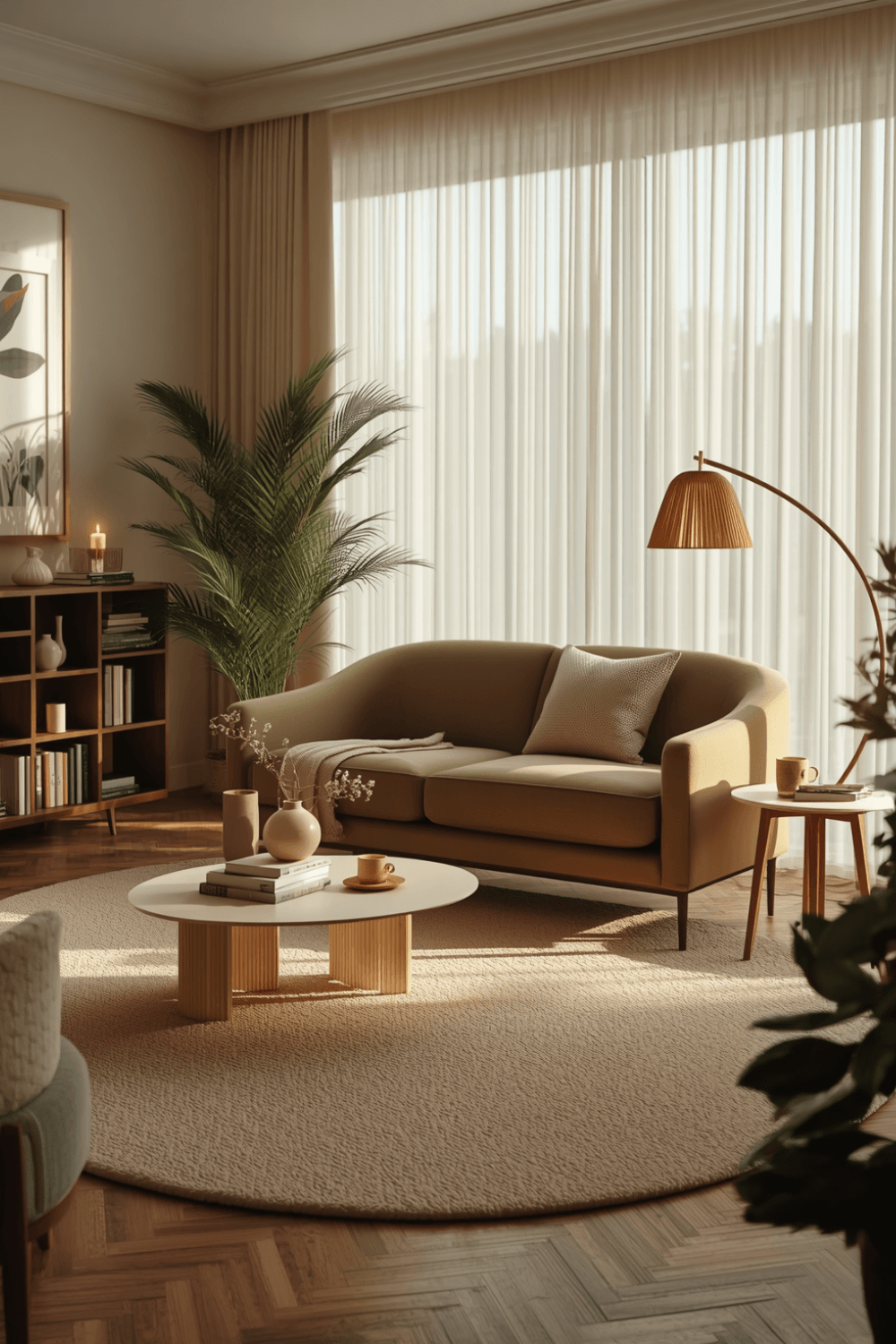
If you’re lucky enough to have a window with some floor space nearby, you’ve already got the hardest part solved.
A window reading nook takes advantage of natural light throughout the day, which genuinely makes reading easier on your eyes and creates a naturally inviting atmosphere without needing much additional effort.
What makes this setup work so well:
- Daylight reduces eye strain during long reading sessions
- The window itself adds a sense of being tucked into your own little world while still feeling open
- It’s one of the easiest nook types to pull together, since the “frame” of the space is already built in
Practical tip: If your window seat gets strong afternoon sun, a sheer curtain softens the glare without blocking the view or the light entirely. Nobody wants to read with sunlight glaring directly off their page.
Small Reading Nook Ideas for Tight Spaces
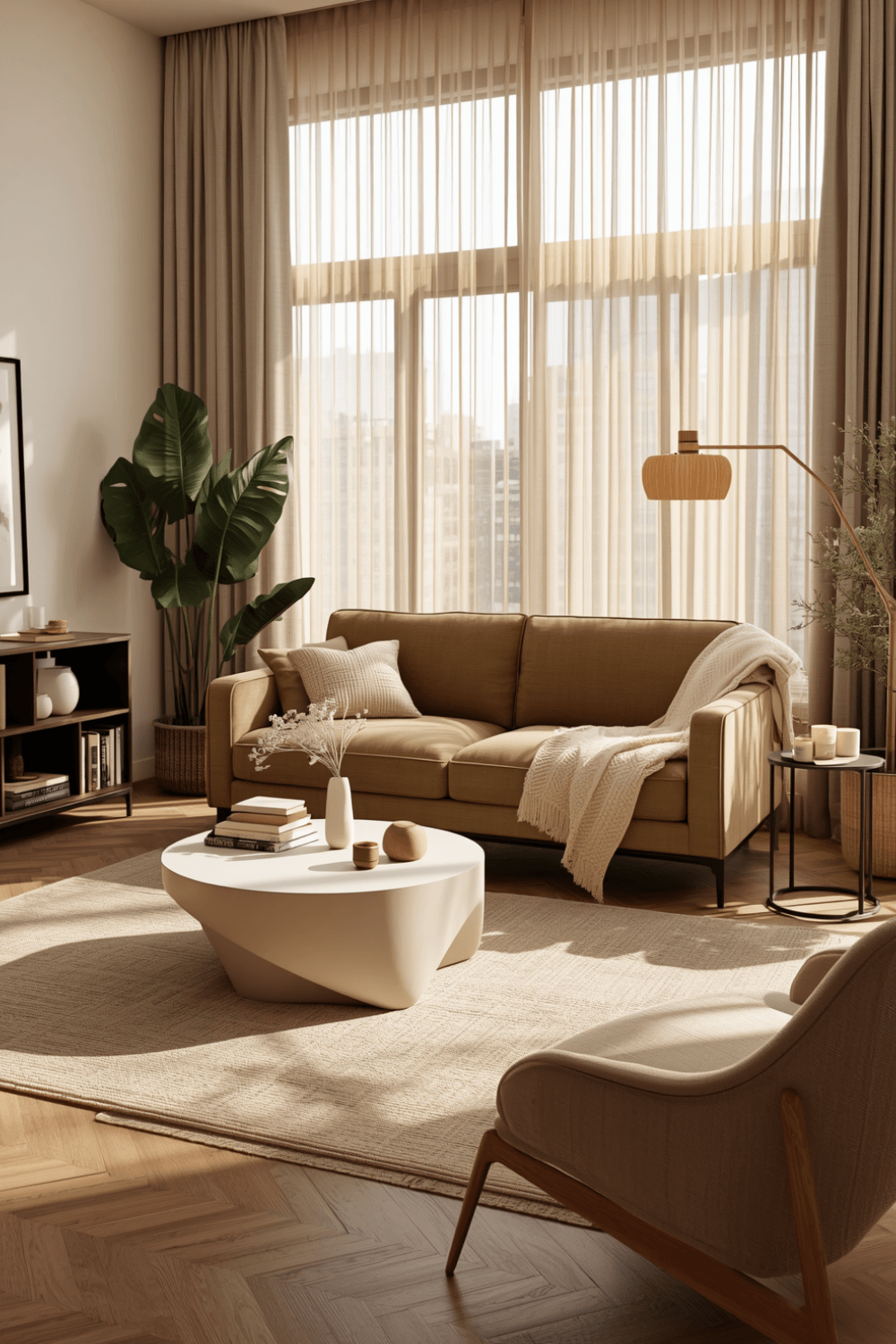
Worried you don’t have room for a dedicated reading area? Genuinely, you probably do — it just might be smaller than you’re picturing.
Small reading nook ideas that work in surprisingly compact spaces:
- A single comfortable chair tucked into an unused corner, no more than 3×3 feet needed
- A slim bench seat built into an awkward alcove or under a staircase
- A floor cushion setup for an even more minimal footprint
Small Book Nook Ideas When Space Is Genuinely Limited
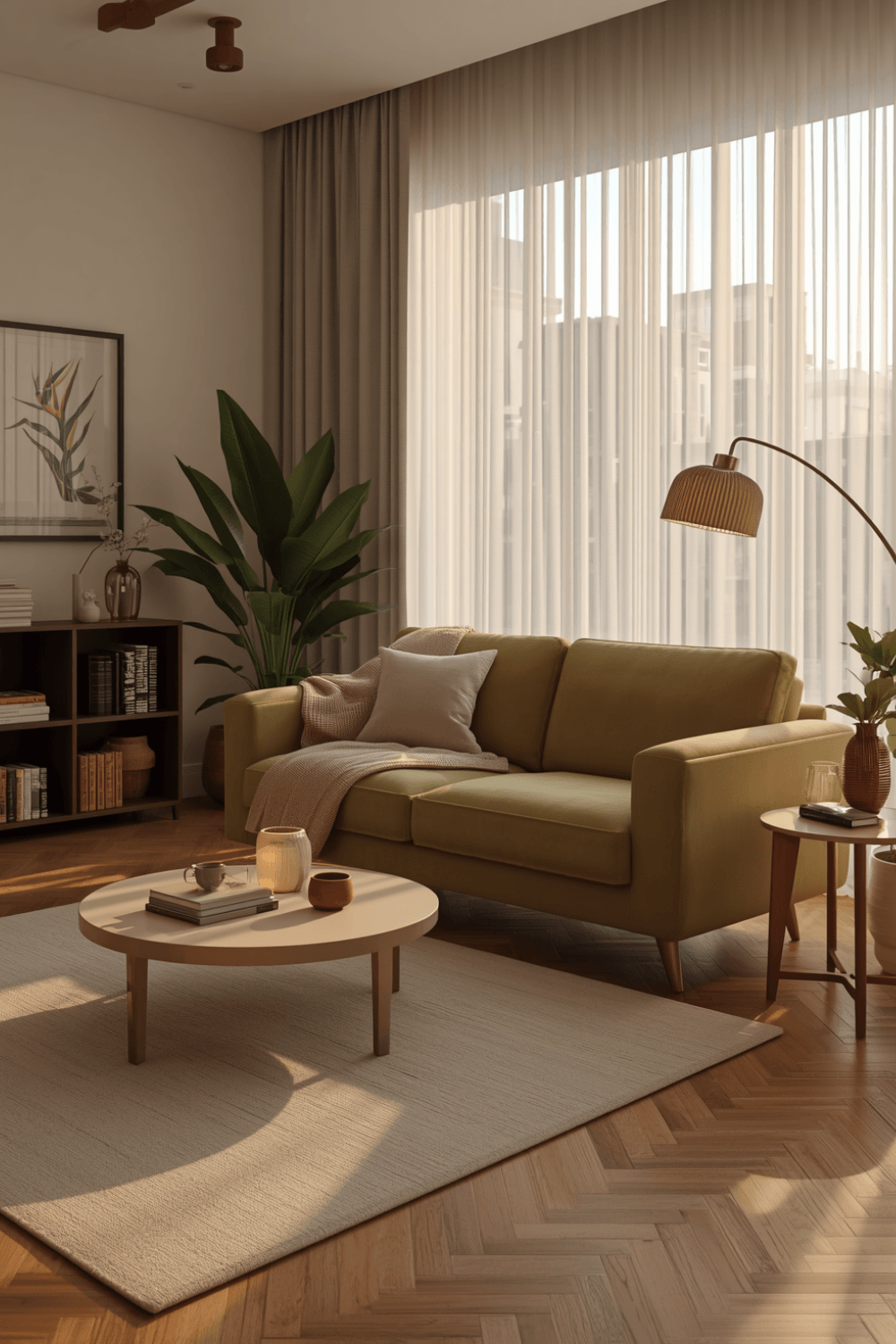
If you’re working with an especially tight spot, small book nook ideas scale things down even further without losing the cozy feeling.
- A wall-mounted folding shelf that tucks away when not in use
- A single floating shelf just large enough for a small lamp and your current read
- A corner floor cushion with a nearby wall hook for a reading light
Even a space as small as a closet nook or a stair landing can work, as long as you’re realistic about scale and don’t try to force in more than the area can comfortably hold.
Reading Corner Ideas for Repurposing Unused Space
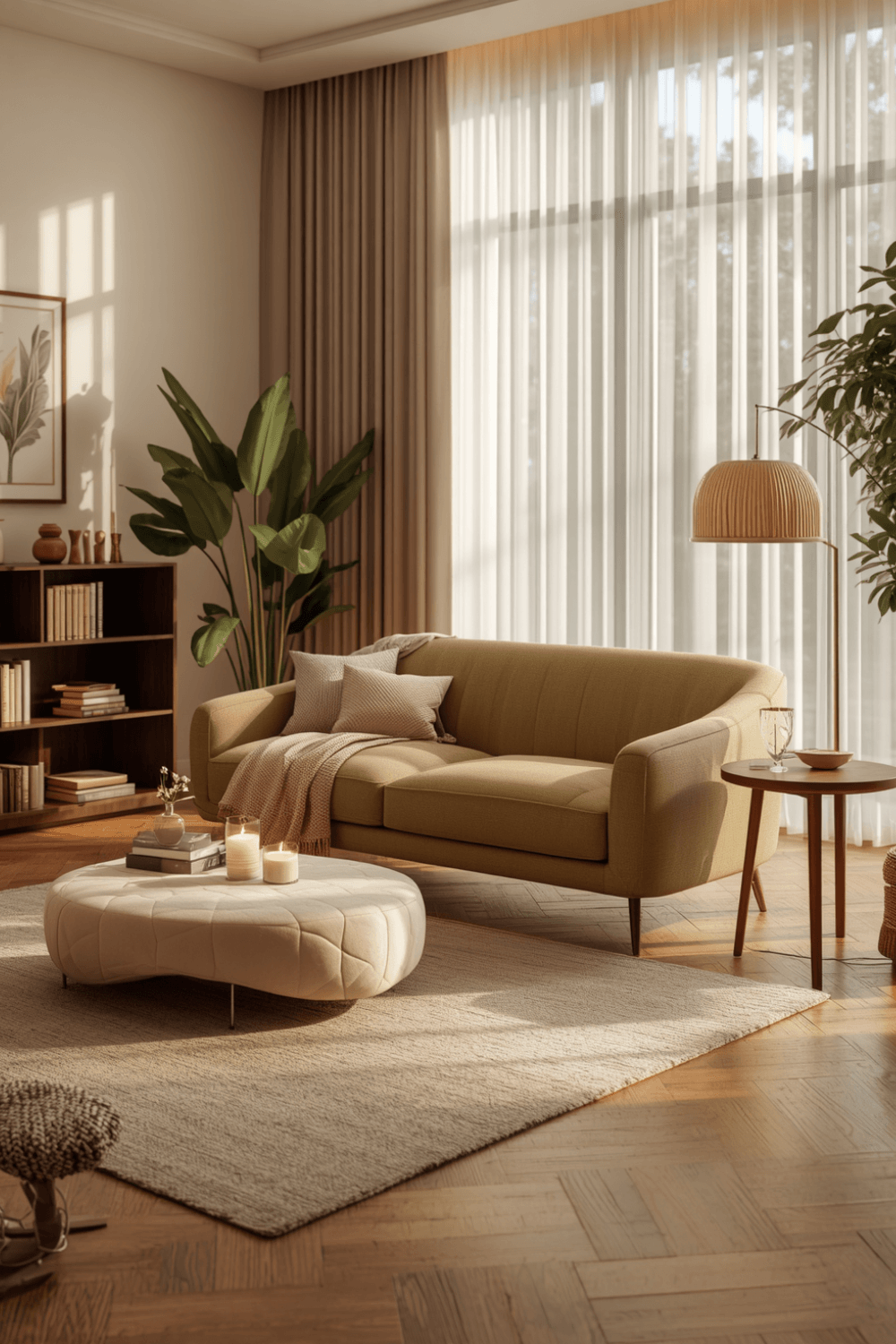
Take a genuine look around your home for a second — is there a corner that’s currently just… empty? Or worse, a dumping ground for stuff that doesn’t have another home?
Reading corner ideas worth considering for these overlooked spots:
- The end of a hallway that currently serves no purpose
- An empty corner of a bedroom, away from the main sleeping area
- A landing or nook partway up or down a staircase
- The unused end of a living room, beyond your main seating arrangement
Reality check: The best reading corner is often the one you’re currently ignoring entirely, not some perfectly proportioned dream space you don’t actually have. Work with what’s genuinely available.
Living Room Reading Nook Integration
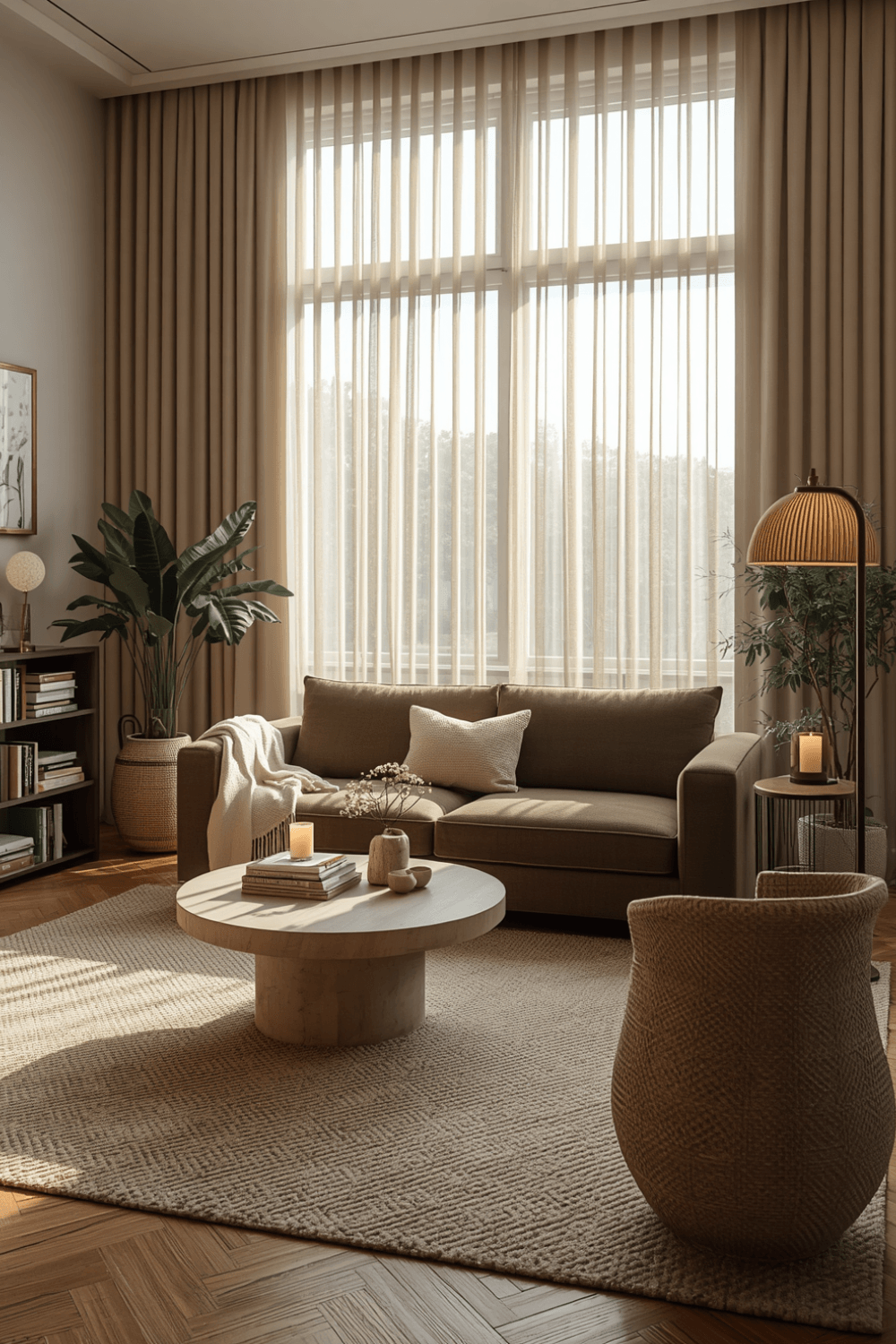
If your living room has a bit of extra space beyond your main seating area, a living room reading nook can coexist beautifully with your existing furniture setup.
- Position a single accent chair at an angle, slightly separate from your main sofa grouping
- Add a small side table and a floor lamp to create a sense of its own zone
- Use a rug to visually define the reading nook as distinct from the rest of the room
This approach genuinely works well because you’re not sacrificing a whole separate room — you’re just being more intentional about how an existing space gets used.
Choosing the Right Reading Chair Nook Seating
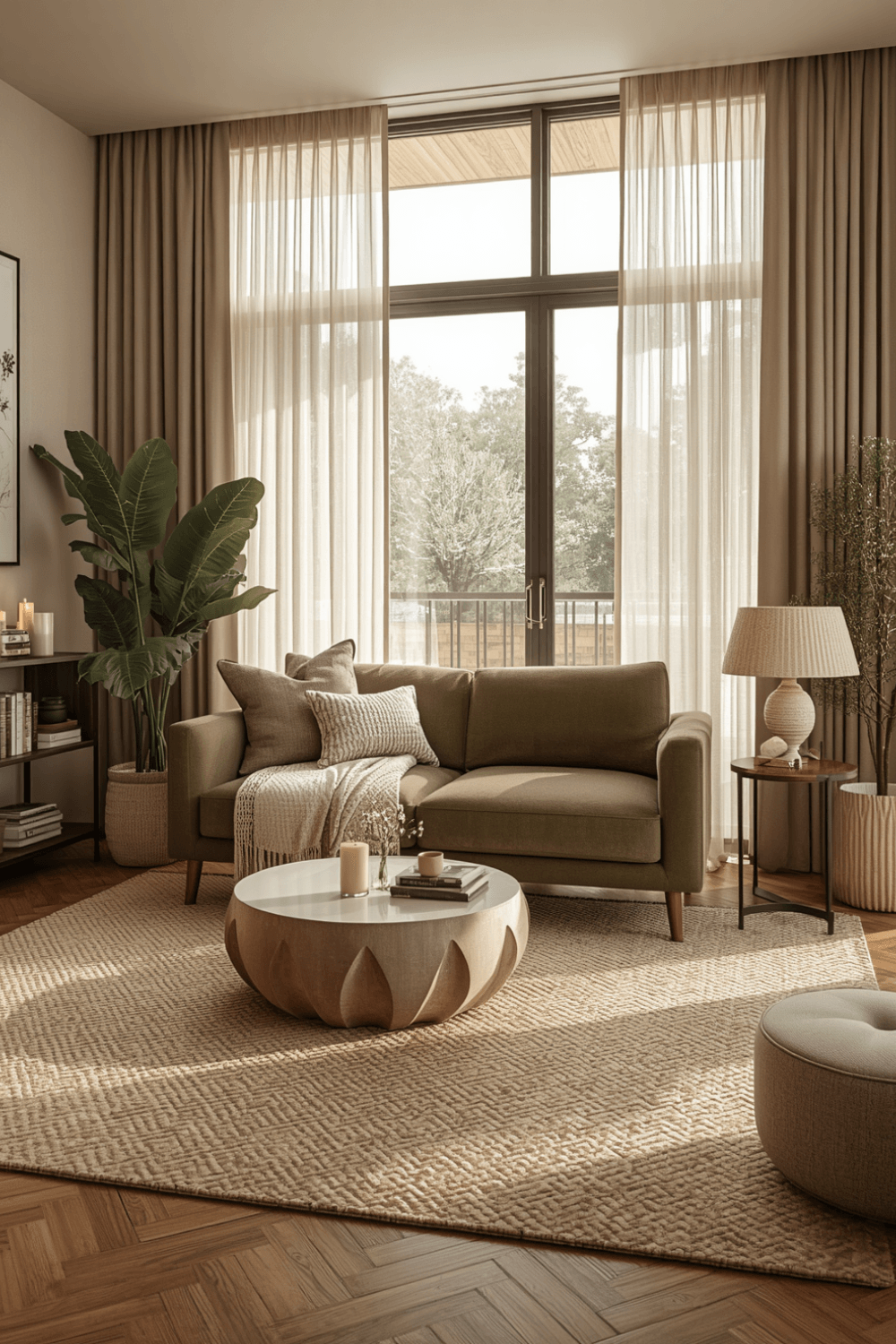
Your seating choice is genuinely the single most important decision in this whole project, since it determines whether you’ll actually want to sit there.
A good reading chair nook setup should include:
- A chair with real back and arm support, not just something decorative
- Enough depth to curl your legs up if that’s how you like to read
- A fabric that feels good against skin for extended sitting — avoid anything scratchy or overly stiff
Quick tip: If budget allows, test-sit any chair for at least five minutes in the store before buying. A chair that feels fine for a quick perch can feel genuinely uncomfortable after twenty minutes of actual reading.
Comfortable Reading Corner Essentials Beyond the Chair
Once your seating is settled, a few additional elements make the whole corner genuinely functional.
Comfortable reading corner must-haves:
- A small side table within arm’s reach for your tea, glasses, or current book stack
- A soft throw blanket for cooler evenings
- A footstool or ottoman if your chair doesn’t already recline or support your legs
A simple setup formula: one great chair, one small table, one good light source, one soft blanket. That’s genuinely often all it takes.
Relaxing Reading Space Through Lighting
Here’s the detail that separates a functional reading spot from one that actually feels relaxing — lighting matters more than almost anything else here.
A truly relaxing reading space needs:
- A dedicated reading lamp positioned at the right height (roughly shoulder height when seated, aimed down at your book, not into your eyes)
- Warm-toned bulbs (2700K-3000K) rather than anything cool or clinical
- A dimmer switch if possible, so you can adjust brightness for daytime versus evening reading
Practical tip: A floor lamp with an adjustable arm genuinely offers the most flexibility, letting you position the light exactly where you need it regardless of your chair’s placement.
Indoor Reading Corner Decor and Styling
Once the functional basics are handled, a bit of styling makes your indoor reading corner feel genuinely intentional rather than thrown together.
Reading nook decor ideas worth adding:
- A small plant nearby for a touch of life and calm
- A few favorite books displayed on a small shelf, not just stacked randomly
- A piece of art or a simple print on the nearest wall to anchor the space visually
Quick tip: Keep decor minimal here. This space is meant for focus and relaxation, so avoid cluttering it with too many visually busy elements that compete for your attention while you’re trying to read.
Cozy Reading Corner and Cozy Book Nook Warmth
The word “cozy” gets used a lot, but it genuinely comes down to specific, achievable details.
Cozy reading corner essentials:
- Layered textures — a knit throw, a soft rug, maybe a textured pillow
- Warm lighting rather than anything bright or cool-toned
- A sense of slight enclosure, whether that’s a window alcove, a corner, or even just a tall-backed chair that creates a feeling of being tucked in
A genuine cozy book nook isn’t about having the most stuff — it’s about having the right few things, chosen specifically for comfort rather than just appearance.
Japandi Reading Nook for a Calmer Aesthetic
If a busier, heavily layered cozy look isn’t your style, a Japandi reading nook offers a quieter, more restrained alternative.
- A simple wood chair or low seating with clean lines
- Minimal decor — one plant, maybe one small object, nothing more
- Natural materials (wood, linen, wool) used sparingly rather than layered heavily
This approach genuinely works well for people who find visual clutter distracting rather than relaxing. Sometimes less really does create more calm.
Scandinavian Reading Nook Principles
Similar in spirit, a Scandinavian reading nook leans into light wood tones and simple, functional furniture.
- Pale oak or birch furniture pieces
- A simple wool throw blanket, often in a neutral or soft pastel tone
- Good, functional lighting prioritized over purely decorative fixtures
The core Scandinavian principle — simple but warm, never stark — translates beautifully into a small reading space specifically.
Minimalist Reading Nook Restraint
If you want to strip things back even further, a minimalist reading nook focuses purely on the essentials.
- One chair, genuinely nothing more in terms of furniture
- A single light source, positioned thoughtfully
- No decor beyond maybe one small plant or object
This works particularly well in already-small spaces, since there’s simply no room (or need) for anything beyond the essentials anyway.
Neutral Reading Nook Color Palettes
Whatever style direction you lean toward, a neutral reading nook color palette — cream, warm beige, soft gray — creates a calming backdrop that doesn’t compete with your actual reading material for attention.
Quick gut check: Could you add a chair, a lamp, and a small plant to your space without any of it clashing with your existing wall color? If yes, your neutral base is solid and ready to build on.
Cozy Home Library Nook for Book Lovers
If you’ve got a genuine book collection you want to showcase, a cozy home library nook combines storage with seating in one dedicated spot.
- A small bookshelf positioned right beside your reading chair
- Open shelving styled with both books and a few decor pieces
- A library ladder if you’ve got floor-to-ceiling shelving and the space to support it
This setup genuinely works best when your book collection is large enough to warrant dedicated storage, rather than just a stack of three or four books you’re currently reading.
Warm Reading Space Through Material Choices
Beyond lighting and color, your material choices throughout the nook contribute to the overall warm reading space feeling.
- Wood furniture over anything metal or glass-heavy
- Natural textiles — wool, linen, cotton — rather than synthetic fabrics
- A warm-toned rug underfoot, even if it’s small
These material choices genuinely add up to create a space that feels inviting to sink into, rather than something that just looks nice from across the room.
Quick Checklist Before You Build Your Reading Nook
- [ ] Have you chosen a chair you’d genuinely want to sit in for an hour or more?
- [ ] Is there a dedicated light source positioned at the right height for reading?
- [ ] Have you included a small table or surface within arm’s reach?
- [ ] Does your space include at least one soft, textured element (throw, pillow, rug)?
- [ ] Is the nook defined enough to feel like its own space, even if it’s small?
Internal Linking Suggestions
If you’re publishing this on a home decor blog, these related topics would connect naturally:
- How to Choose the Right Reading Lamp for Every Space
- Small Space Furniture Ideas That Don’t Sacrifice Comfort
- Built-In Shelving Ideas for Book Lovers
Final Thoughts: Your Reading Nook Doesn’t Need to Be Perfect, Just Inviting
At the end of the day, reading nook ideas aren’t about creating a picture-perfect Pinterest corner. They’re about finally giving yourself a genuine, comfortable spot to slow down with a book, even if that spot is just a chair and a good lamp in an otherwise unused corner.
Key takeaway: Start with a genuinely comfortable chair, add proper lighting, and layer in just enough warmth and texture to make it feel inviting. You don’t need a huge space or a big budget to make this work.
So, what’s your first move — finally claiming that empty corner, adding a proper reading lamp, or just grabbing a soft throw blanket to start? Pick one and start there. Your next good book deserves a proper place to be read.
Frequently Asked Questions
1. How much space do I actually need for a reading nook?
corner can work well with just a single comfortable chair and a small side table. The key is choosing furniture scaled appropriately to your available space rather than trying to force in more than it can comfortably hold.
2. What’s the best type of lighting for a reading nook?
A dedicated floor or table lamp with a warm-toned bulb (2700K-3000K) positioned at roughly shoulder height when seated works best. Avoid relying solely on overhead lighting, since it rarely provides the focused illumination needed for comfortable reading.
3. Can a reading nook work inside a bedroom, not just a living room?
Yes, definitely — positioning a chair in an unused bedroom corner, away from the main sleeping area, creates a nice separate zone for reading before bed. It’s one of the most common and practical reading nook locations in smaller homes.
4. Do I need a window for a good reading nook?
Not necessarily, though natural light is a genuine bonus if you have it. A well-lit interior corner with a quality reading lamp can work just as well, especially for evening reading when natural light isn’t available anyway.
5. How do I make a reading nook feel cozy without cluttering it?
Focus on a few key elements — a soft throw blanket, warm lighting, and maybe one plant — rather than filling the space with lots of small decorative items. Layered texture and warm light genuinely do more for coziness than sheer quantity of decor.
6. What’s the difference between a minimalist and a cozy reading nook?
A minimalist reading nook sticks to just the essential chair and light source with little to no additional decor, while a cozy version layers in more texture through blankets, pillows, and warmer styling. Both can be equally comfortable — it really comes down to personal preference for how much visual warmth you want.