Reading Corner Ideas That You’ll Actually Use Daily
Reading Corner Ideas: What I Learned Turning a Random Empty Corner Into a Spot I Actually Use
I had an awkward, empty corner in my bedroom for almost two years, the kind of space that was too small for real furniture but too big to just ignore. I finally decided to turn it into a reading nook, bought a pretty accent chair that caught my eye online, and set it up expecting to use it constantly. Instead, that chair sat there mostly unused for months, more of a decorative object than somewhere I actually wanted to sit and read.
It took rethinking the chair, the lighting, and honestly my own habits before that same corner finally became somewhere I use almost every single evening. Here’s what I learned building a reading corner that actually gets used, not just admired.
A Reading Corner Needs to Solve for Actual Reading, Not Just Look Nice
My original chair choice was based entirely on style, a striking silhouette that photographed beautifully in the corner. What I hadn’t considered was whether it was actually comfortable for extended sitting, or whether the space had adequate lighting for reading in the evening, which is honestly when I do most of my reading.
Once I started designing around my actual reading habits instead of just the visual appeal of the space, the corner transformed from something pretty to something genuinely functional.
My Mistake: A Beautiful Chair With Terrible Reading Posture Support
My original chair had a stunning curved silhouette but almost no back support, which meant my neck and shoulders started aching within about twenty minutes of sitting down to read. I kept avoiding the corner without fully realizing why until I actually paid attention to how uncomfortable it consistently made me.
I swapped it for a more supportive accent chair with a higher back and better lumbar support, and suddenly found myself actually choosing that corner over my bed or couch for reading time.
Step-by-Step: Creating a Reading Corner You’ll Actually Use
1. Prioritize back and neck support over pure chair aesthetics
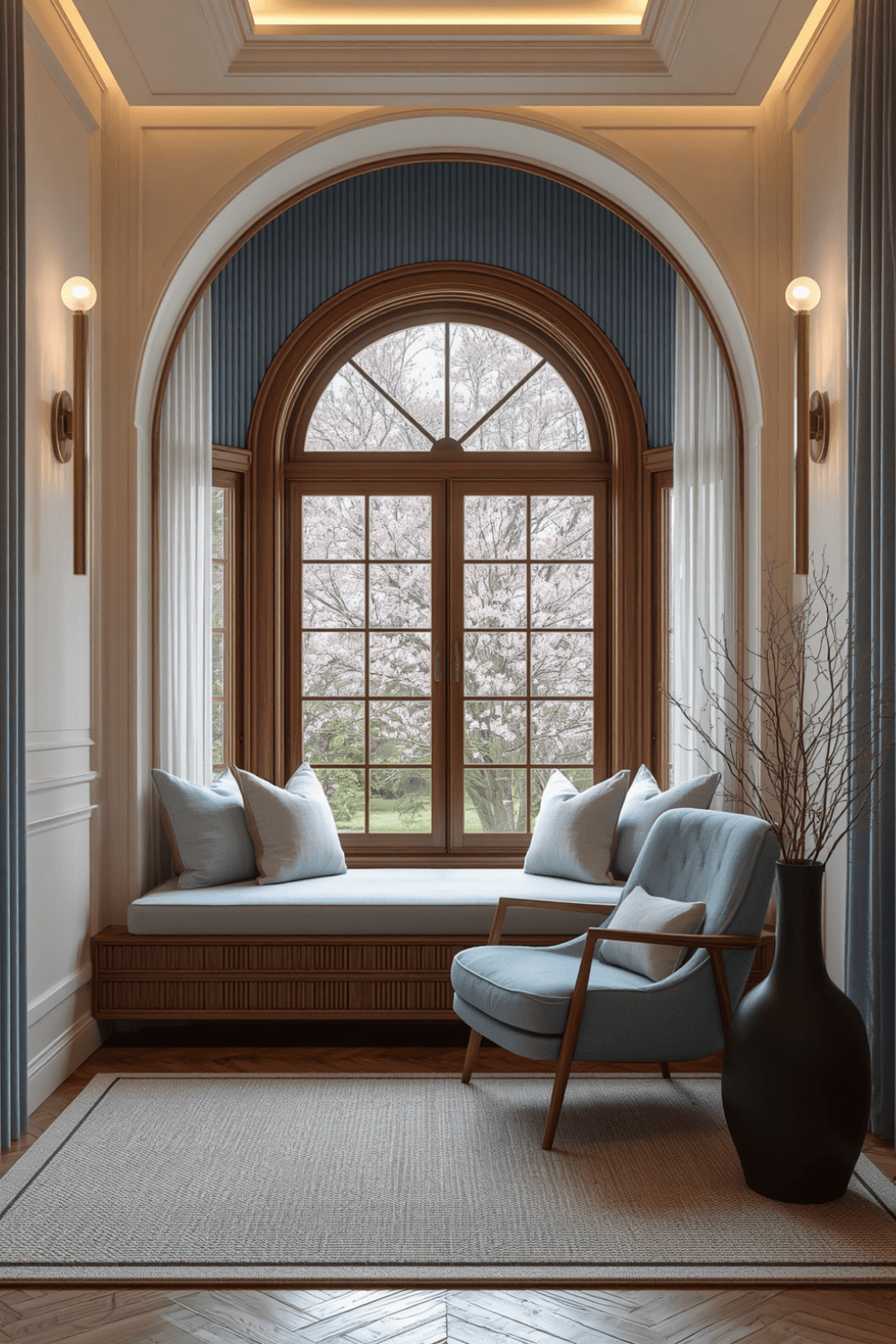 I now specifically test how a chair feels after sitting in it for at least fifteen minutes before committing to it for a reading corner, rather than judging purely by how it looks in the showroom or in photos. A chair that looks stunning but causes discomfort within minutes simply won’t get used regularly.
2. Add a dedicated reading lamp, not just ambient room lighting
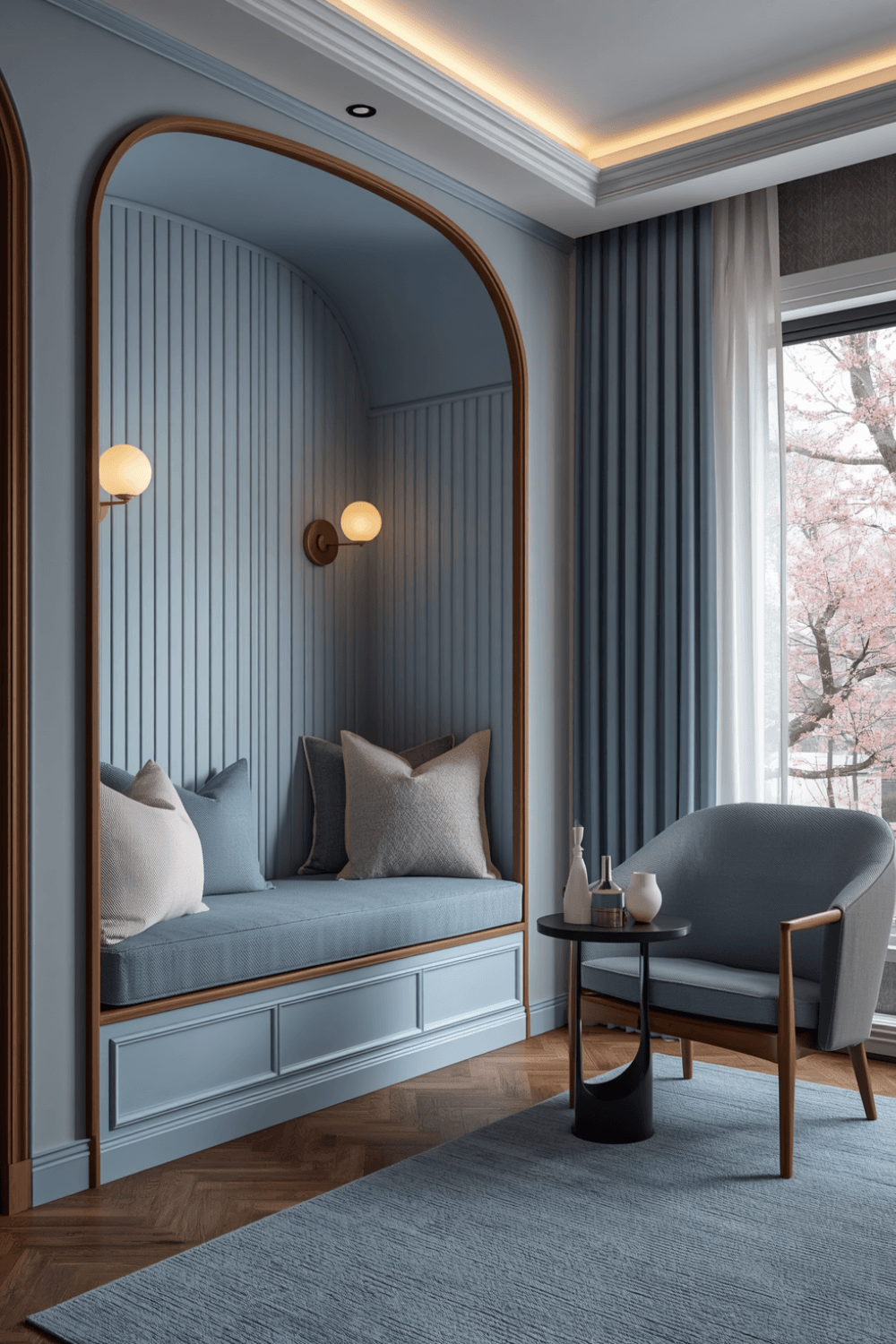 I added a small floor lamp with an adjustable arm positioned specifically over my shoulder, since the room’s general overhead lighting wasn’t nearly bright or well-positioned enough for comfortable reading in the evening. Dedicated task lighting made a genuinely bigger difference than any other single change I made.
3. Include a small side table for your book, tea, and glasses
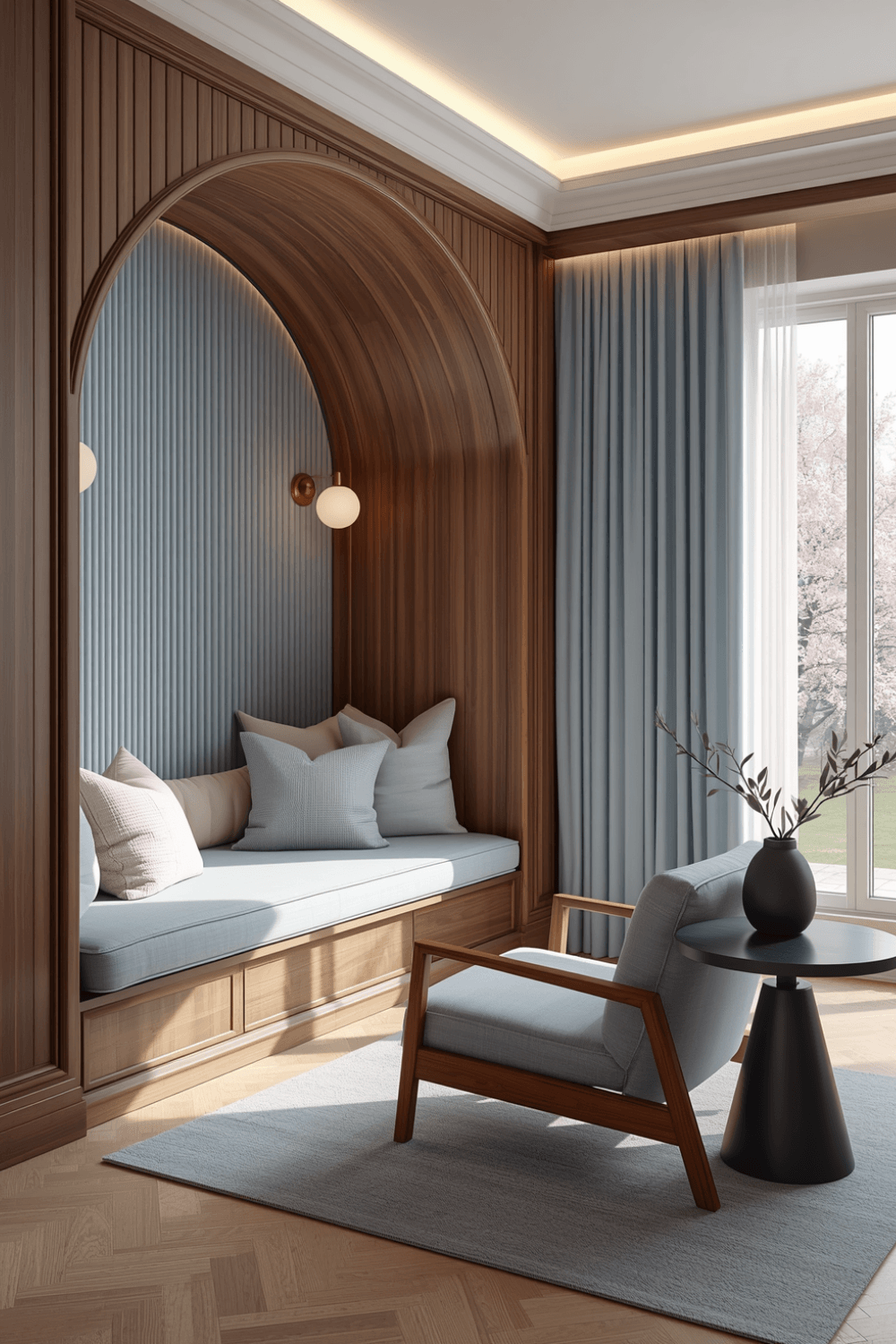 I added a narrow round side table beside my chair, which sounds like a minor addition but eliminated the small daily friction of having nowhere to set down a mug or my phone while reading. That tiny convenience genuinely affects how often I actually choose to sit there.
4. Add a footrest or ottoman if your chair doesn’t recline
I added a small upholstered ottoman that matches my chair, which let me prop my feet up for longer, more comfortable reading sessions. Without it, I found myself shifting around uncomfortably after even a short amount of time sitting.
5. Layer in a soft throw blanket for year-round comfort
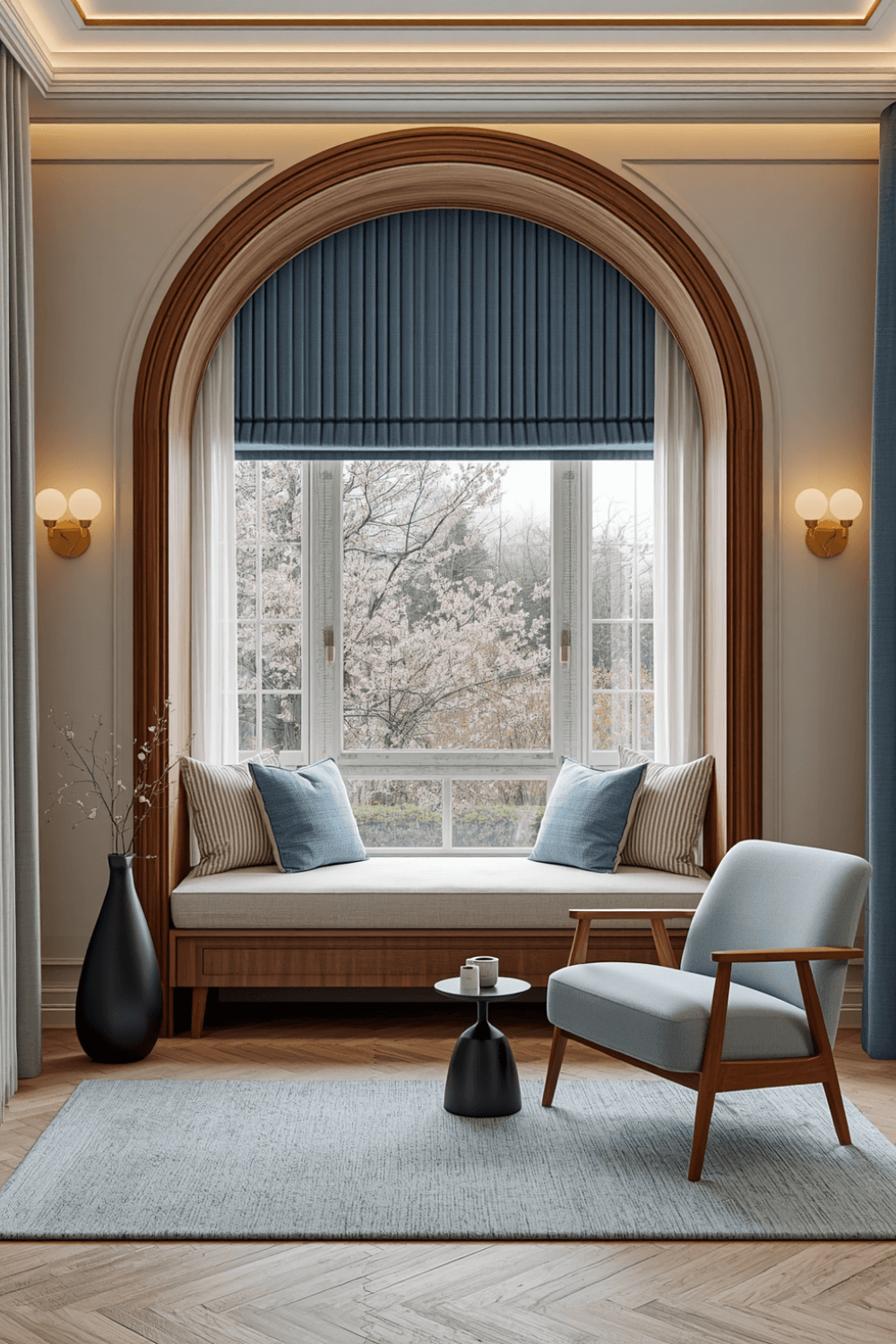 I keep a chunky knit throw draped over the arm of my chair, which gets used constantly during cooler months and even occasionally in summer with the air conditioning running. It’s a small, low-cost addition that meaningfully extends how comfortable and inviting the corner feels.
6. Position the chair to actually face something pleasant
I angled my chair slightly toward my bedroom window instead of directly into the corner, which gives me a small view rather than staring at a blank wall while reading. That small positioning adjustment made the whole spot feel more intentional and less like an afterthought squeezed into unused space.
7. Keep a small stack of current reads within arm’s reach
I added a slim stack of the two or three books I’m actually reading right now on my side table, rather than a large decorative stack of books I’m not actively working through. Having exactly what I need close by removes any small excuse to skip sitting down and actually reading.
Real Examples From People I Know
A friend created her reading corner in a spare closet after removing the door entirely, adding a small chair, a clip-on lamp, and a narrow shelf for books. It’s a genuinely tiny footprint, but because everything she needs is within arm’s reach, she says it gets used more consistently than a similar setup she once had in a more spacious but less convenient spot.
Another friend added a simple floor cushion and a low side table instead of a full chair, choosing a more casual setup that better matched how she actually likes to sit while reading. It’s a good reminder that the “right” reading corner setup genuinely depends on your own habits rather than a universal formula.
Common Mistakes to Avoid
Choosing a chair based purely on style without testing actual comfort. A stunning silhouette that causes discomfort within minutes simply won’t get regular use.
Relying on general room lighting instead of dedicated task lighting. Proper reading light positioned specifically for the chair matters more than most other single changes you can make.
Skipping a nearby side table for practical items. Small daily friction, like having nowhere to set down a drink, genuinely affects how often you’ll actually use the space.
Positioning the chair facing a blank wall or corner. A small view or pleasant sightline makes the spot feel more intentional and inviting.
Filling the space with decorative books instead of what you’re actually reading. Keeping your current reads within arm’s reach removes small excuses to skip sitting down.
Final Thoughts
My reading corner taught me that a genuinely usable space depends far more on actual comfort and practical convenience than on how striking the furniture looks in photos. The chair support and dedicated lighting changes alone did more to get me actually using that corner than any of my original styling decisions.
If you’re creating your own reading corner, prioritize genuine seating comfort over pure aesthetics, add dedicated task lighting, and keep practical items like a side table and your current books within easy reach. That combination is really what separates a reading corner that looks nice in photos from one you’ll actually sit in every single day.