Pink Flower Chair Styling Ideas That Actually Work
Pink Flower Chair: What I Learned Styling One Without It Looking Like a Prop
I bought a pink flower-shaped accent chair on an impulse after seeing one in a cute cafe, convinced it would be the perfect statement piece for my reading corner. When it arrived and I plopped it into the spot I’d originally planned, it looked less like a chic design feature and more like something left over from a kids’ birthday party. The bold, playful shape needed a lot more thought around it than I’d given it credit for.
It took some real trial and error with placement, surrounding decor, and even lighting before that same chair actually looked intentional instead of like a random novelty piece dropped into an otherwise normal room. If you’re drawn to one of these statement chairs yourself, here’s what actually helped mine work.
A Flower Chair Is a Statement Piece, Which Means It Needs Support
My original mistake was treating the chair like it could just exist on its own and automatically look styled. A bold, playful shape like this genuinely needs supporting elements around it, otherwise it reads as an isolated novelty item rather than an intentional design choice within the room.
Once I started thinking about the chair as one part of a bigger styled moment rather than a standalone piece, everything clicked into place.
My Mistake: Placing It in an Otherwise Plain, Unstyled Corner
I originally set the chair in an empty corner with bare walls and no other decor nearby. Without anything around it to give context or visual connection, the chair looked randomly placed, almost like it had wandered in from a completely different room.
Moving it near a small gallery wall and adding a simple side table with a plant next to it gave the chair actual visual context. It suddenly read as a styled vignette instead of an orphaned piece of furniture sitting by itself.
Step-by-Step: Styling a Pink Flower Chair That Actually Works
1. Give the chair a defined “moment,” not just an empty corner
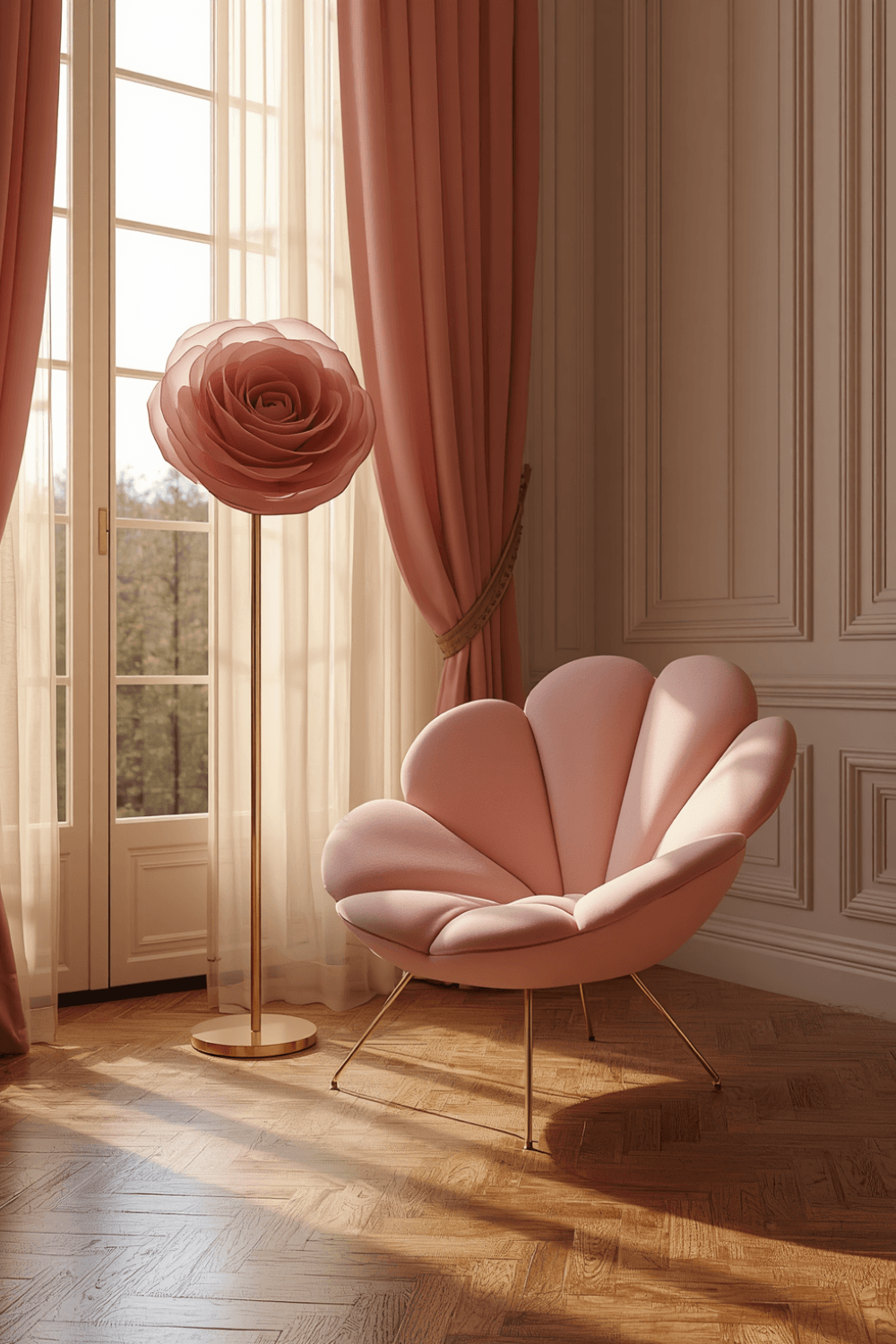 I now recommend placing this kind of statement chair somewhere it has some visual company, near existing wall decor, a bookshelf, or a window, rather than isolating it in an empty space. That context helps it read as an intentional styling choice instead of a random addition.
2. Add a simple side table for function and visual balance
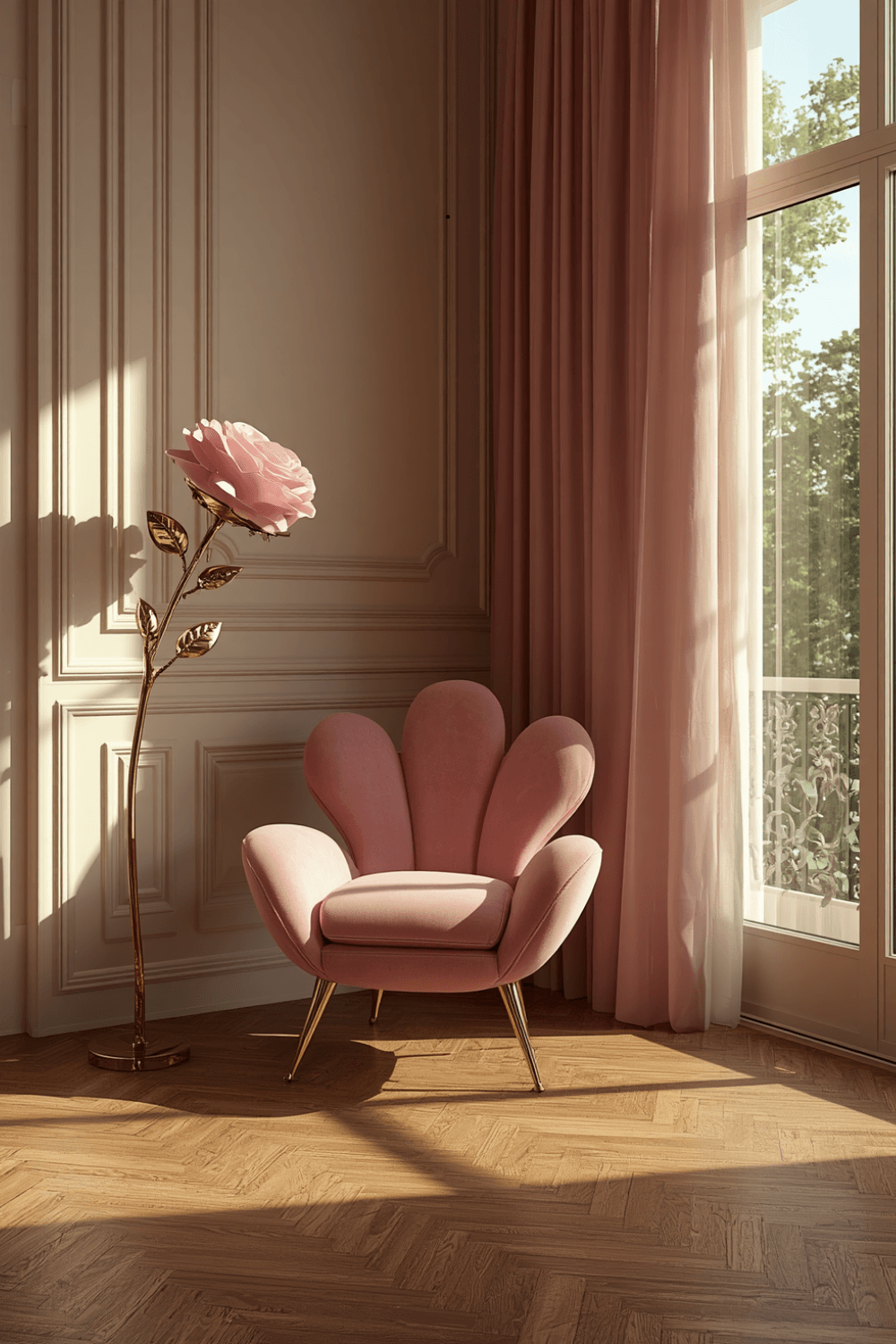 I added a small round side table next to my chair, which gives it a practical purpose beyond just sitting there looking playful. It also helps balance the chair’s bold, organic shape with something more structured and simple nearby.
3. Keep the surrounding color palette relatively neutral
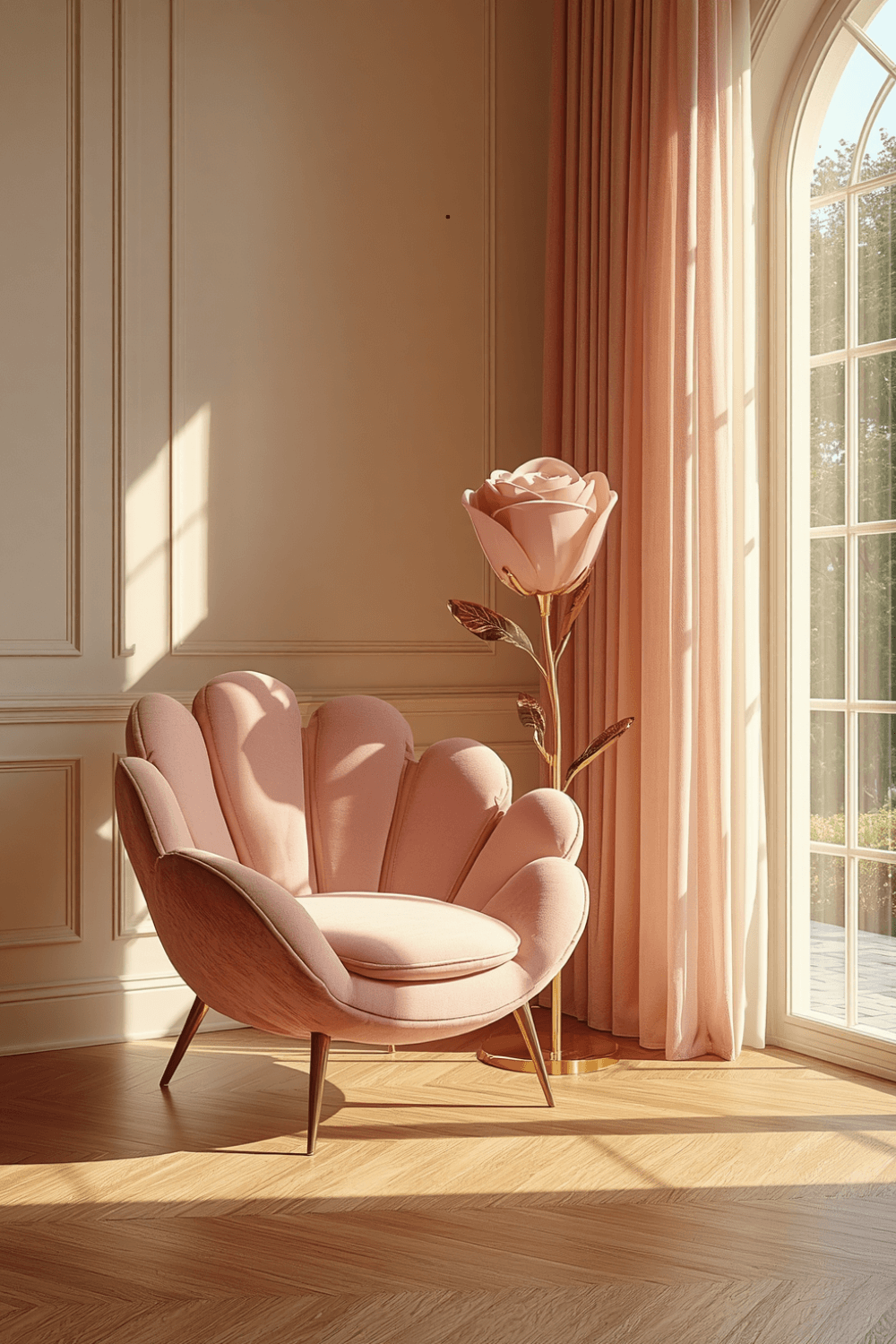 My room’s walls and other furniture are mostly soft neutrals, which lets the pink chair genuinely stand out as the intended focal point. If everything around a bold statement piece is also competing for attention with strong colors, the whole area can start to feel chaotic instead of curated.
4. Add one or two smaller accent pieces that pick up the pink
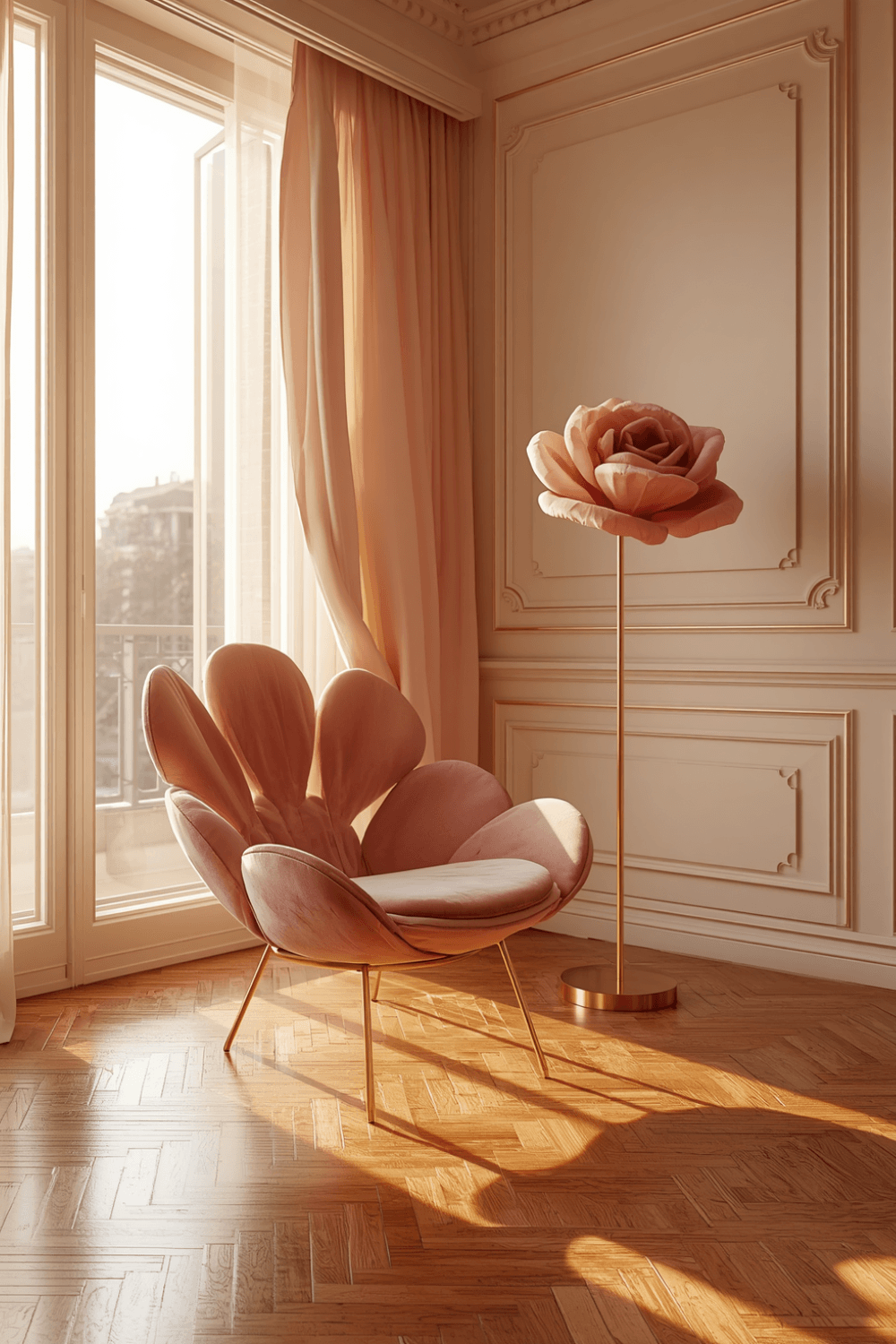
I added a small blush pink throw pillow on a nearby neutral sofa and a single dusty pink vase on my bookshelf, which echoes the chair’s color elsewhere in the room without overdoing it. That subtle repetition helps the chair feel connected to the rest of the space rather than the only pink thing on an island of its own.
5. Consider lighting specifically for that styled corner
I added a small table lamp beside the chair, since my original placement relied entirely on general room lighting, which left that whole corner feeling a bit flat and forgotten in the evening. A dedicated light source draws attention to the space and makes it feel like an actual intended reading nook rather than an afterthought.
6. Layer in a plant or greenery nearby
I placed a medium potted plant just behind the chair, which softened the bold, sculptural shape with some organic texture and helped ground the whole vignette. It’s a small addition that made the corner feel more finished and less like a single furniture piece sitting in isolation.
7. Resist styling the chair itself with too many additional items
I initially piled a blanket, two pillows, and a small basket onto the chair itself, thinking more styling meant more polish. It actually competed with the chair’s already bold shape and made the whole area look cluttered. Keeping the chair itself relatively simple, maybe just one small pillow, let its shape actually be the star of the vignette.
Real Examples That Actually Work
A friend placed her pink flower chair in a home office corner instead of a living space, paired with a simple wood desk and white bookshelf. The neutral, functional surroundings let the chair’s playful shape stand out as a fun, unexpected detail in an otherwise practical room, without needing much additional styling around it.
Another friend used hers as a reading nook accent in a nursery, paired with a soft cream rug and simple white shelving. Because the rest of the room stayed calm and neutral, the chair’s bold shape and color became the room’s clear focal point without needing a lot of extra decor layered around it.
Common Mistakes to Avoid
Placing the chair in an empty, unstyled space with nothing around it. It tends to read as randomly placed rather than intentionally chosen without any visual context nearby.
Surrounding it with equally bold colors or patterns. A busy surrounding palette competes with the chair instead of letting it stand out as the intended focal point.
Over-styling the chair itself with too many pillows or blankets. It can compete with the chair’s already bold, sculptural shape rather than complementing it.
Skipping dedicated lighting for that corner of the room. A well-lit vignette feels intentional, while a dim, forgotten corner undercuts an otherwise good styling choice.
Forgetting to repeat the chair’s color elsewhere in the room. A little subtle color repetition connects the statement piece to the rest of the space instead of leaving it visually isolated.
Final Thoughts
My pink flower chair didn’t need to be hidden away or reconsidered, it just needed actual context and a little supporting styling around it to look like the intentional statement piece I originally pictured. Once I stopped treating it as a standalone item and started building a small styled moment around it, the whole corner finally worked.
If you’re bringing home your own bold statement chair, give it a defined spot with some visual company nearby, keep the surrounding palette relatively calm, and resist the urge to over-style the chair itself. That balance is really what separates a fun accent piece from something that just looks randomly plopped into the room.