Cozy Bedroom Decor Ideas That Actually Feel Warm
Cozy Bedroom Decor Ideas: What I Learned After Mine Looked Nice But Felt Cold
I redecorated my bedroom a couple of years ago with a genuinely beautiful, minimalist look, all crisp white bedding, sleek furniture, and a few carefully chosen decor pieces.
It took me a while to figure out that “cozy” and “nicely decorated” aren’t automatically the same thing. Once I understood what was actually missing, a handful of specific changes turned that same beautiful but sterile room into somewhere I genuinely look forward to spending time. Here’s what actually worked.
Cozy Is About Sensory Layers, Not Just Aesthetics
My original mistake was designing purely for how the room looked in photos, without thinking about how it actually felt to touch, sit in, or wind down in at the end of the day. A truly cozy bedroom appeals to more senses than just sight, which is something a purely visual, minimalist approach can easily miss.
Once I started thinking about texture, warmth, sound, and even scent alongside the visual design, the room transformed into something that finally matched how it looked with how it actually felt.
My Mistake: Choosing Everything for Looks, Nothing for Texture
My original bedroom had smooth, cool-toned bedding, a sleek leather bench, and hard surfaces almost everywhere. Visually cohesive, sure, but there was nothing soft or textural to actually sink into. Every surface felt slightly cold to the touch, which is a strange thing to notice about your own bedroom until you actually pay attention to it.
Adding a mix of genuinely soft, varied textures fixed this almost entirely, and it didn’t require replacing a single piece of furniture I already owned.
Step-by-Step: Making a Bedroom Actually Feel Cozy
1. Layer multiple textures into your bedding
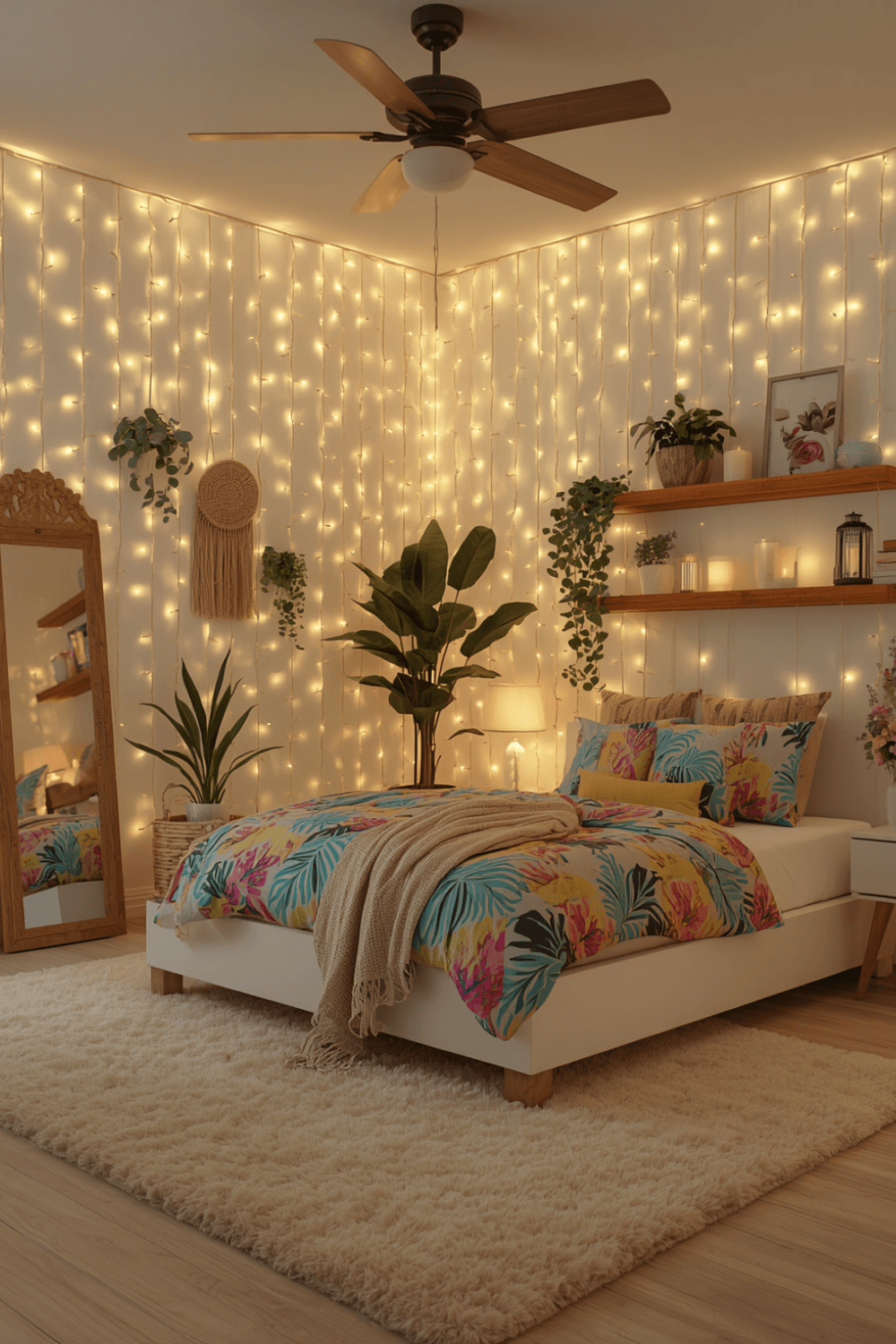 I added a chunky knit throw blanket, a textured linen duvet cover, and a couple of varied pillow textures, mixing velvet, boucle, and cotton, instead of the flat, single-texture bedding I started with. That variety alone made the bed look and feel dramatically more inviting.
2. Add a soft rug, even over existing flooring
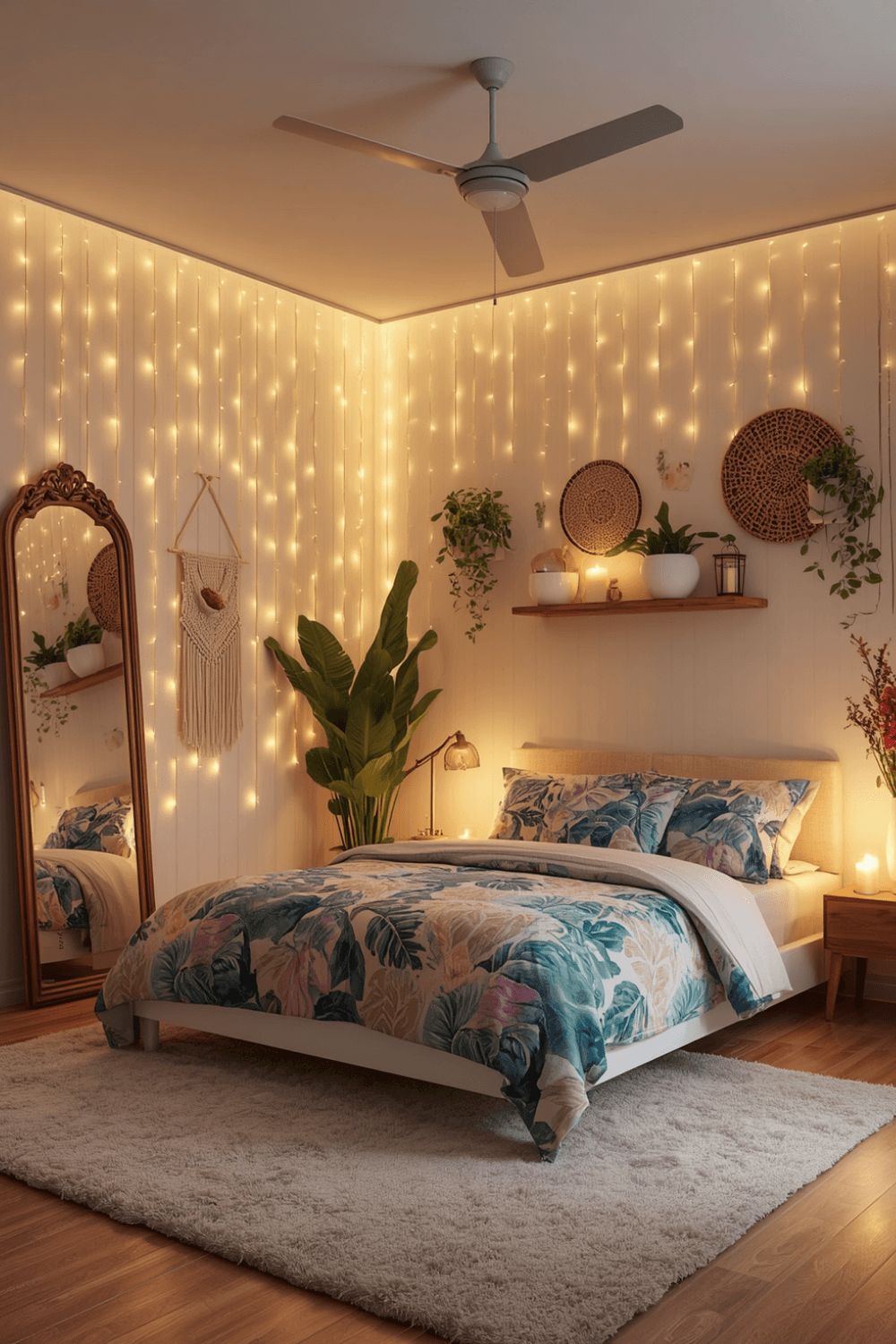
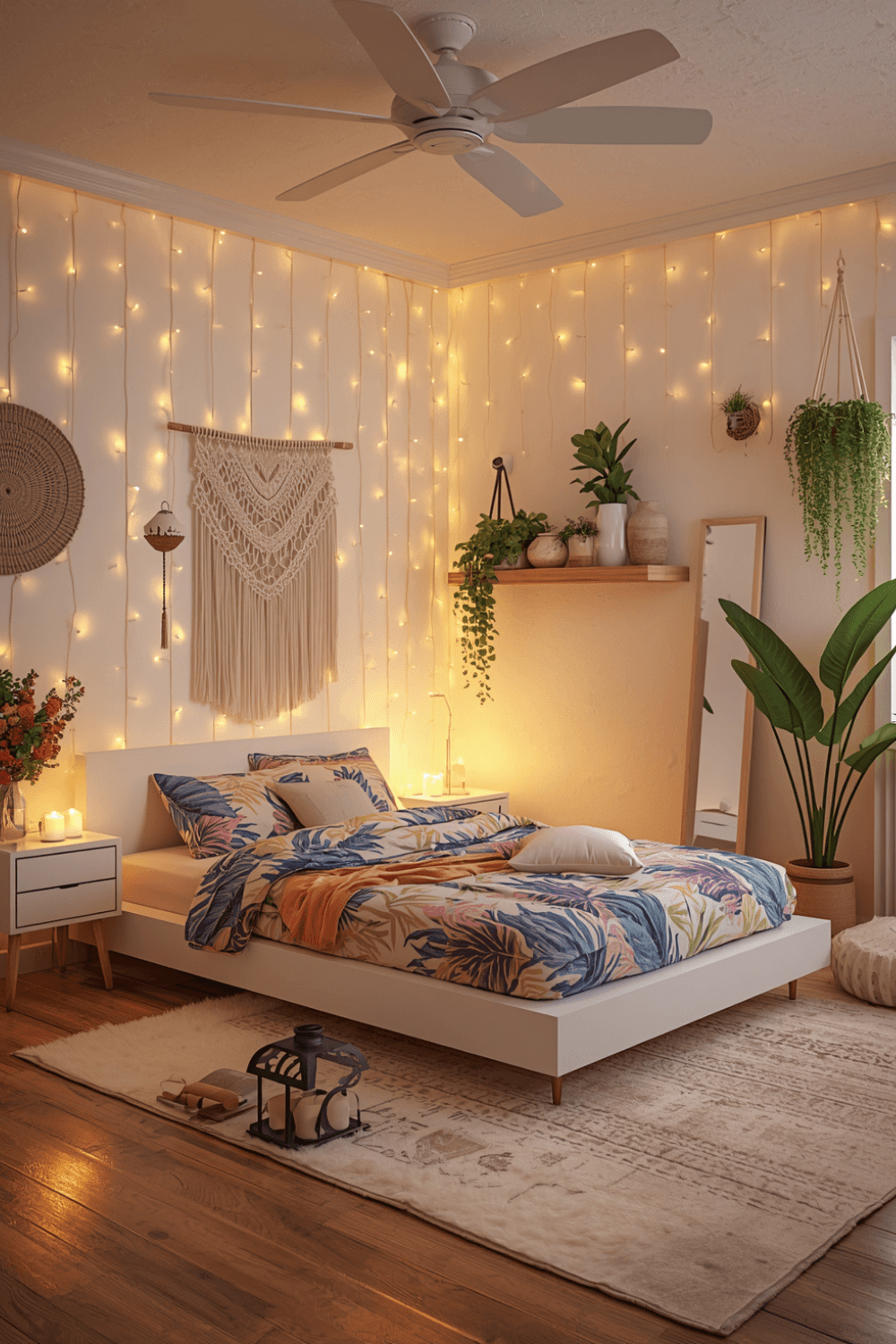 I placed a plush area rug on either side of my bed, specifically so my feet land on something soft first thing in the morning instead of cold hardwood. It’s a small daily detail, but it genuinely changed how the room feels to actually live in, not just look at.
3. Warm up your lighting temperature
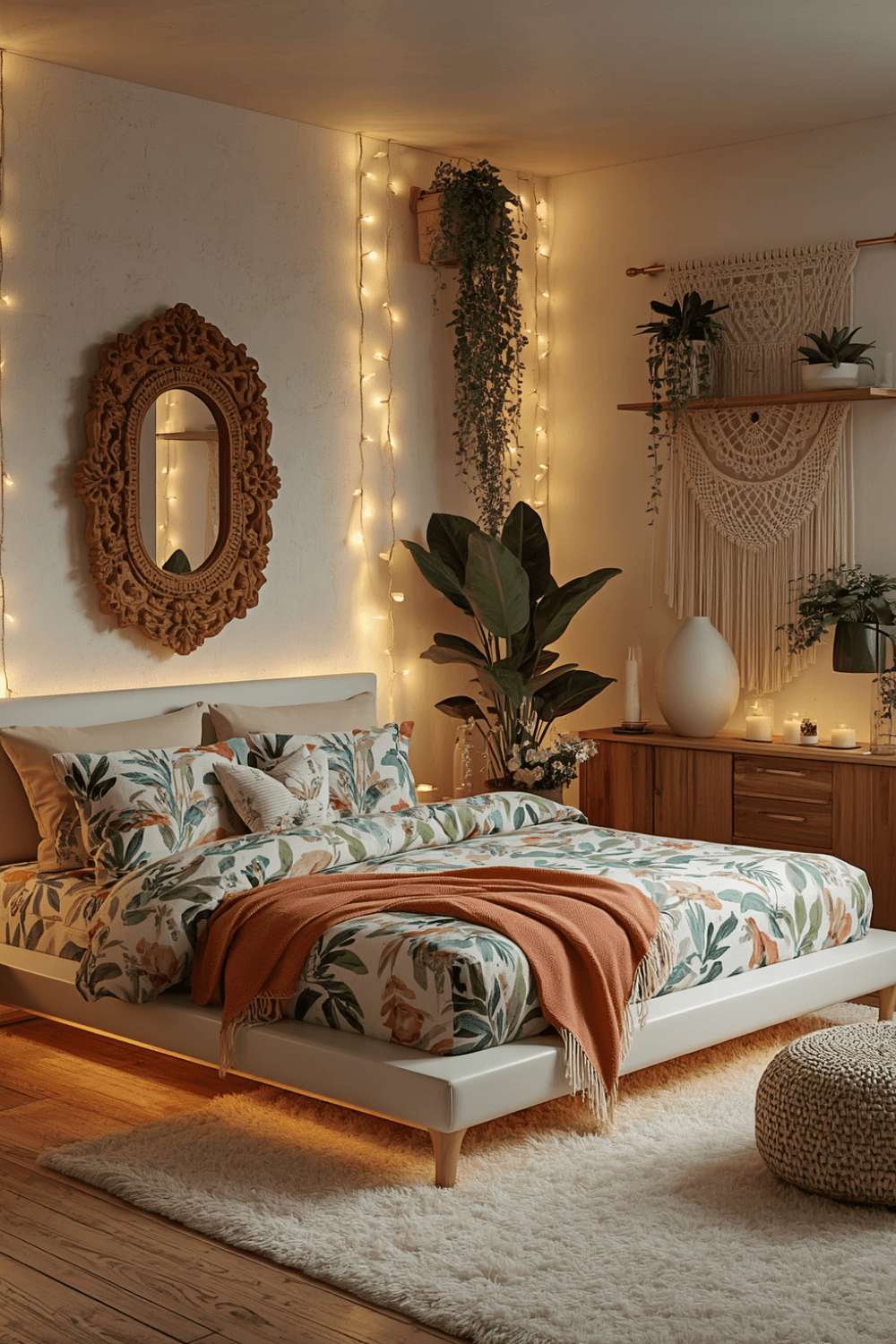 I switched my bedside lamps to warm 2700K bulbs instead of the cooler white bulbs I originally had, which made a noticeable difference in the evening ambiance. Cool lighting tends to feel more clinical, while warmer tones create that soft, relaxing glow associated with genuinely cozy spaces.
4. Introduce natural materials for warmth
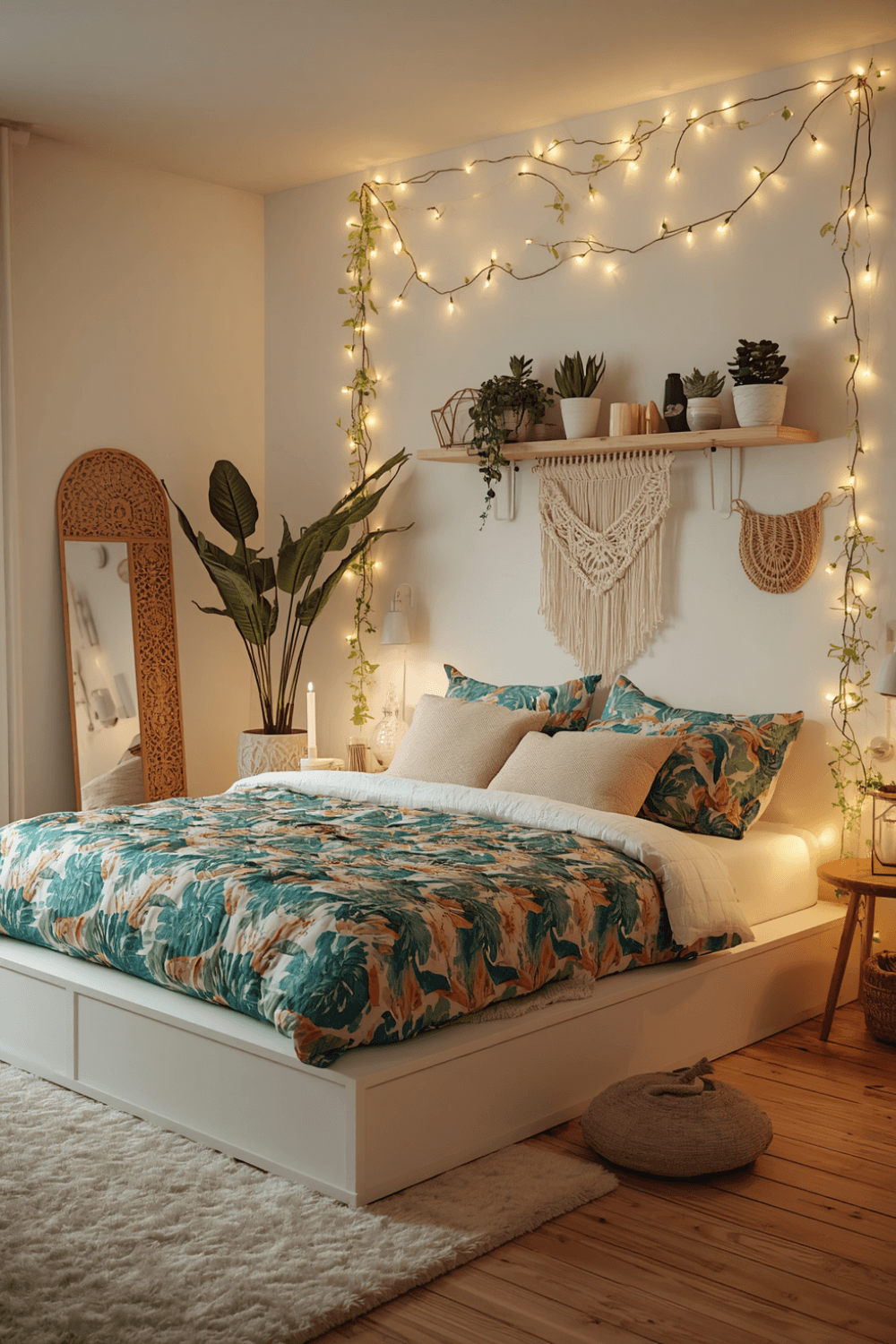 I added a wood bench at the foot of my bed and a rattan pendant light, replacing some of the sleeker metal and glass elements I originally had. Natural materials tend to feel warmer to the touch and visually softer than a room dominated entirely by hard, cool surfaces.
5. Layer window treatments for both light control and softness
 I added heavier curtains over my existing blinds, which added both a softer visual layer and better control over light and temperature in the room. The fabric alone adds a noticeable amount of visual warmth compared to bare windows or blinds by themselves.
6. Incorporate a signature scent
I added a diffuser with a warm, woody scent that I now specifically associate with winding down for the evening. Scent is honestly an underrated part of a cozy atmosphere, and having a consistent one you associate with relaxing genuinely helps signal to your brain that it’s time to unwind.
7. Add a small, dedicated relaxation spot if you have the space
I turned an empty corner into a small reading nook with a soft chair, a floor lamp, and a folded throw blanket. Having one small dedicated spot for winding down, separate from the bed itself, added a whole additional layer of coziness to the room beyond just the bedding changes.
Real Examples From People I Know
A friend focused entirely on textiles for her cozy bedroom refresh, without changing any furniture at all. She added a heavier weighted blanket, a textured throw, and swapped her pillowcases to a soft flannel option for colder months. The whole room felt noticeably warmer using only these fabric changes.
Another friend added a small space heater with a timer function for colder months, paired with warm lighting and heavier bedding, specifically to make her bedroom feel more inviting during winter. She says it’s become part of her evening wind-down routine, turning it on about thirty minutes before bed.
Common Mistakes to Avoid
Designing purely for visual appeal without considering texture. A room can look beautiful in photos and still feel cold and uninviting in person.
Sticking with cool-toned lighting throughout the bedroom. Warmer bulb temperatures create a noticeably softer, more relaxing evening atmosphere.
Skipping soft flooring elements like a rug. Cold, hard flooring first thing in the morning undermines an otherwise cozy room.
Ignoring scent as part of the overall atmosphere. A consistent, warm scent can meaningfully add to how relaxing a space feels, beyond just the visual design.
Overlooking small dedicated relaxation spots. A single cozy chair or reading nook can add a layer of comfort that bedding alone doesn’t fully provide.
Final Thoughts
My bedroom didn’t need a full redesign to finally feel cozy, it needed texture, warmth, and a few sensory details that my original minimalist approach had completely overlooked. The layered textiles and warmer lighting made more of a difference to how the room actually feels than any of my original furniture choices.
If your bedroom looks good but doesn’t quite feel like somewhere you want to relax, start with texture and lighting before considering a bigger redesign. Layering in softness, warmth, and a bit of scent might solve more than you’d expect without replacing a single piece of furniture you already own.