Stylish Cat Tree Design Ideas for a Chic Home
Let’s be honest about the classic carpet-covered cat tree for a second — beige, lumpy, and somehow always positioned exactly where it clashes with everything else in the room. Your cat loves it. You tolerate it.
I used to think that trade-off was just part of owning a cat — either your home looks nice, or your cat has somewhere to climb, but not both at once. Then I saw what modern cat furniture actually looks like now, and realized that compromise genuinely doesn’t exist anymore.
If you’re tired of hiding your cat’s climbing tower behind a chair or draping a blanket over it when guests come by, let’s talk through cat tree design ideas that actually earn a visible spot in your living room.
Why Cat Tree Design Has Finally Caught Up to Home Decor
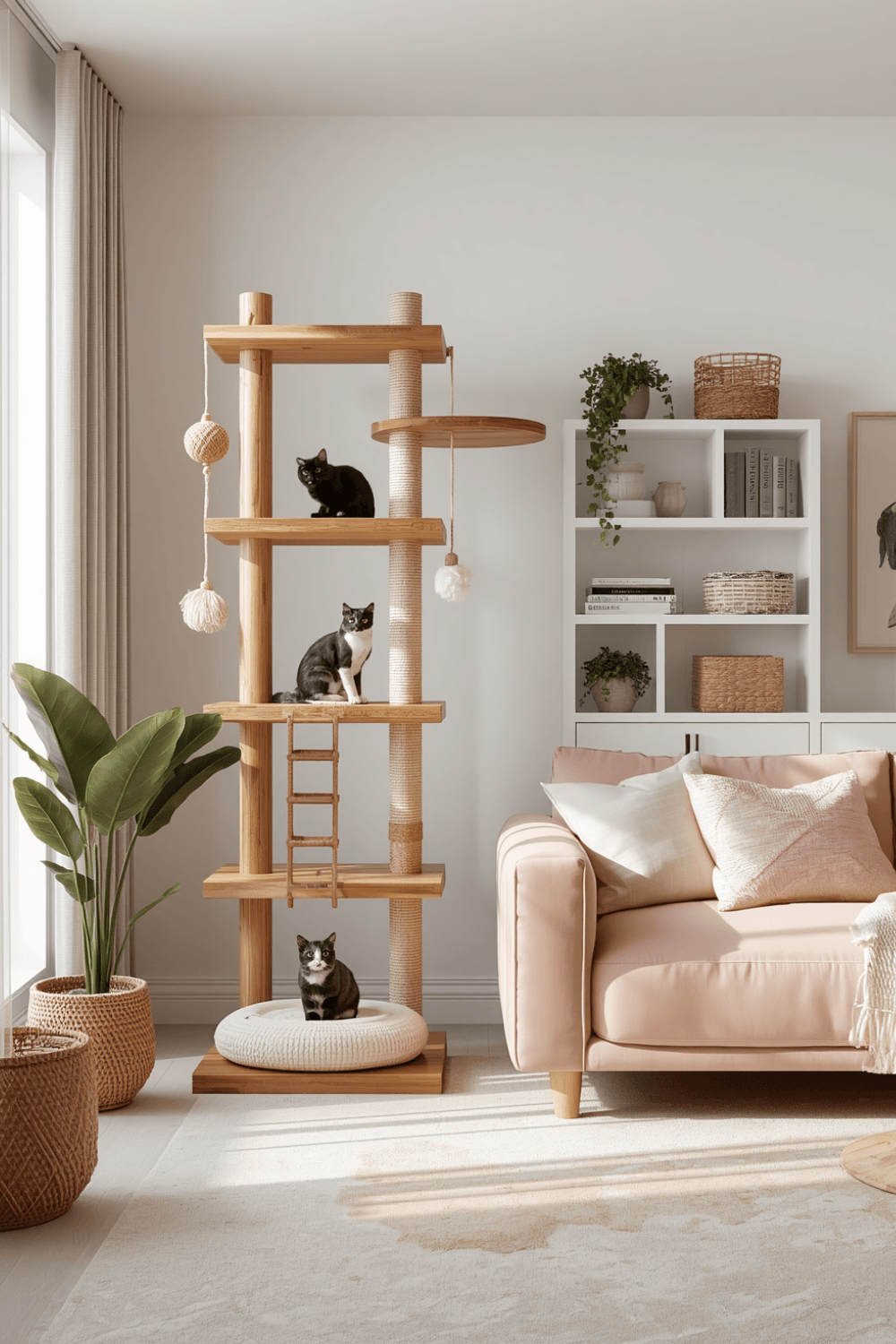
Here’s something worth appreciating — pet furniture used to be an entirely separate design category from everything else in your home. Function first, looks a distant last.
That’s genuinely changed. Good cat tree design ideas now consider:
- Materials that match actual furniture — real wood, not carpet remnants
- Shapes and silhouettes that could pass for a piece of sculptural furniture
- Color palettes that work with, not against, your existing decor
Skip this shift, and you’re stuck with the old beige-carpet standard. Embrace it, and your cat’s climbing tower can genuinely become a design feature, not something you apologize for.
Modern Cat Tree Styles Worth Considering
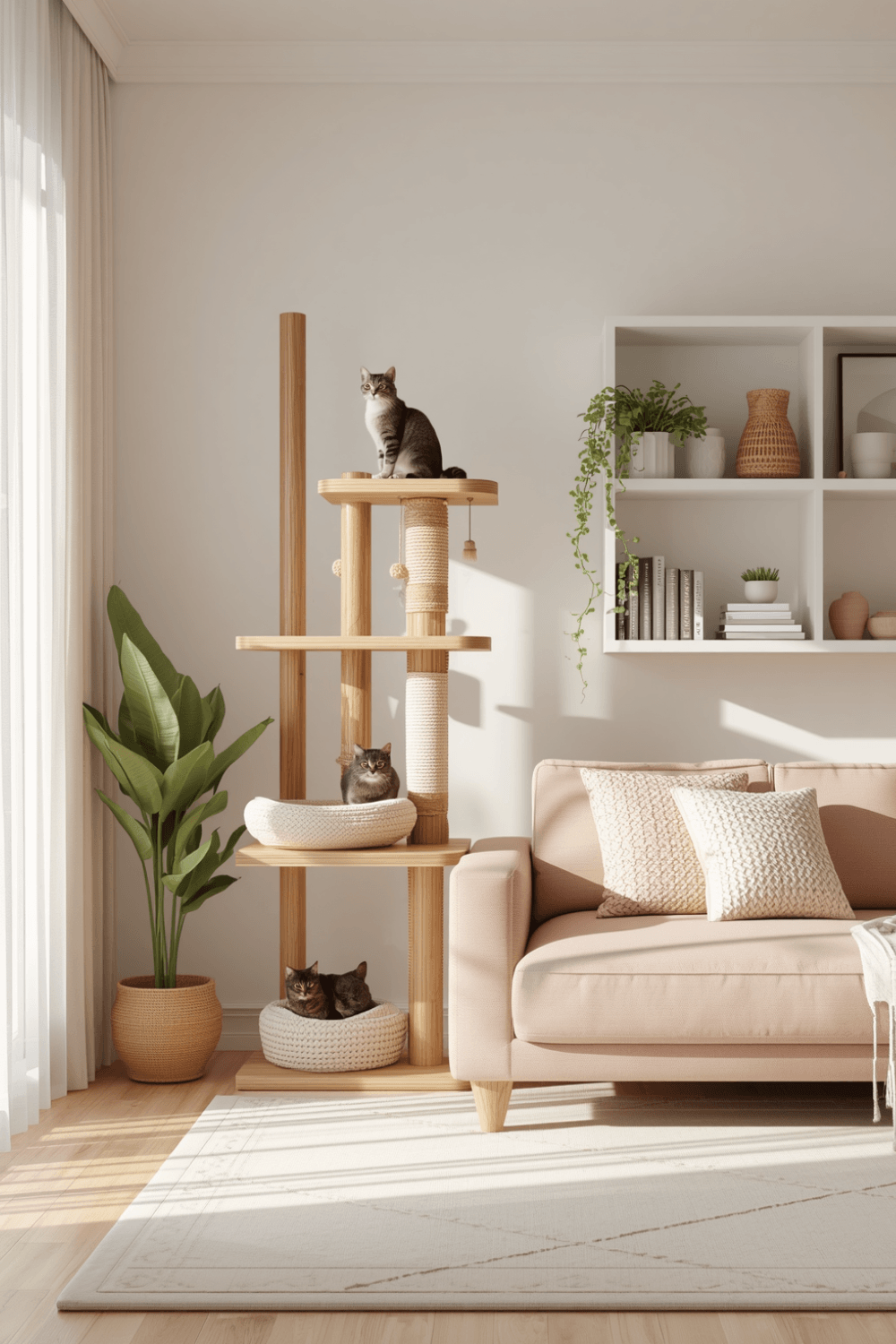
Let’s start broad before getting into specific materials and setups.
A modern cat tree typically features:
- Clean geometric shapes rather than the bulky, rounded carpet towers of the past
- A restrained color palette — natural wood, black, white, or muted tones
- Minimal visible hardware or fasteners, for a more streamlined look
Quick tip: If you’re shopping rather than building, search specifically for “modern cat tree” or “design cat furniture” rather than just “cat tree,” since the standard search results still skew heavily toward the traditional carpeted style.
Wooden Cat Tree Options for a Natural, Warm Look
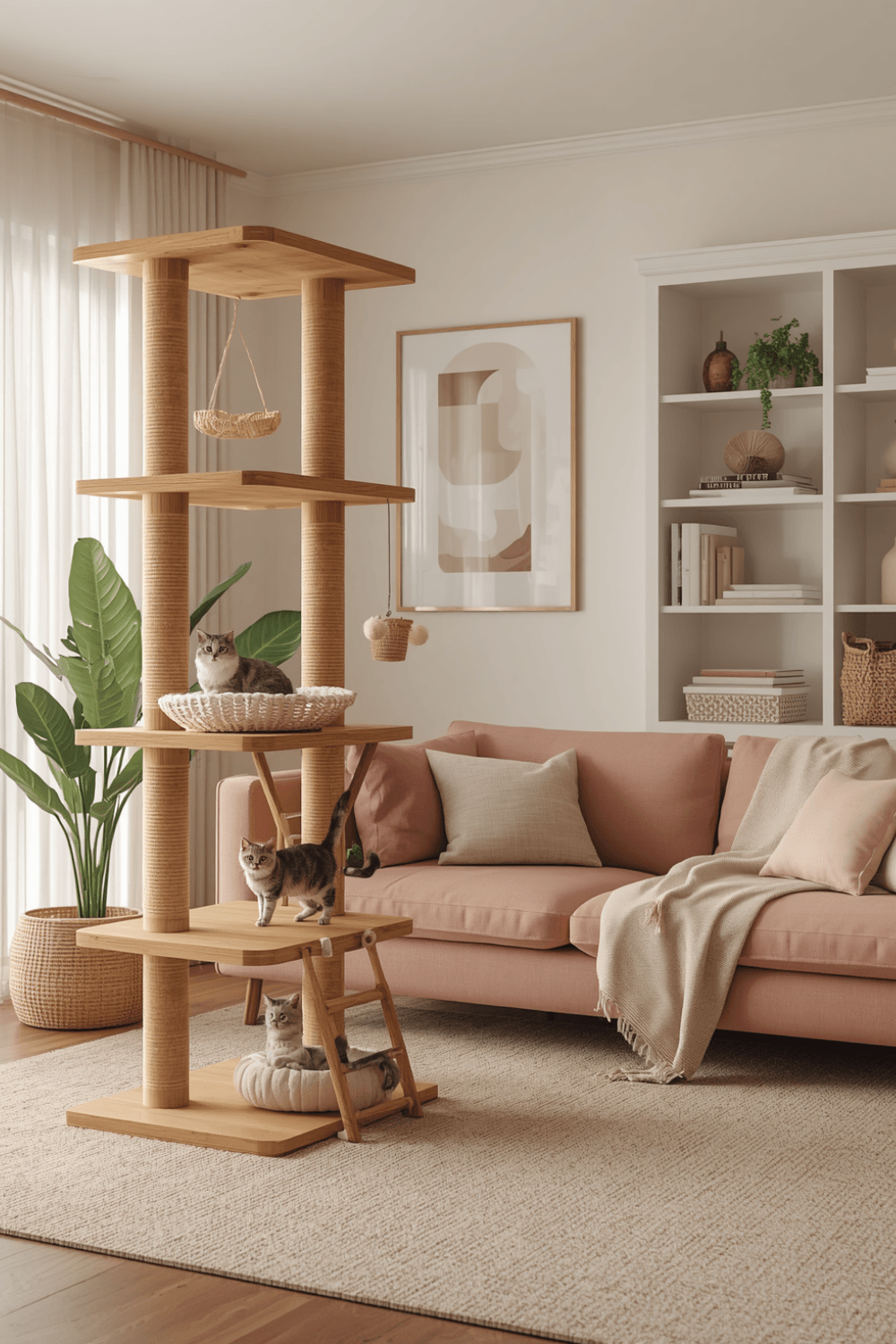
If there’s one material shift that’s genuinely transformed this category, it’s the move toward real wood.
A wooden cat tree brings warmth and texture that carpet-covered towers simply can’t match, and it photographs (and functions) like genuine furniture rather than pet equipment.
Why wood works so well here:
- It coordinates naturally with existing wood furniture elsewhere in your home
- Solid wood construction tends to be sturdier and more stable than particleboard-and-carpet builds
- The natural grain adds visual interest without needing bright colors or patterns
Practical tip: Look specifically for sealed or finished wood surfaces, since cats will scratch and climb on these pieces regularly. An unfinished or poorly sealed wood tree wears down faster and can splinter over time.
Natural Wood Cat Tree Designs That Blend Into Any Room
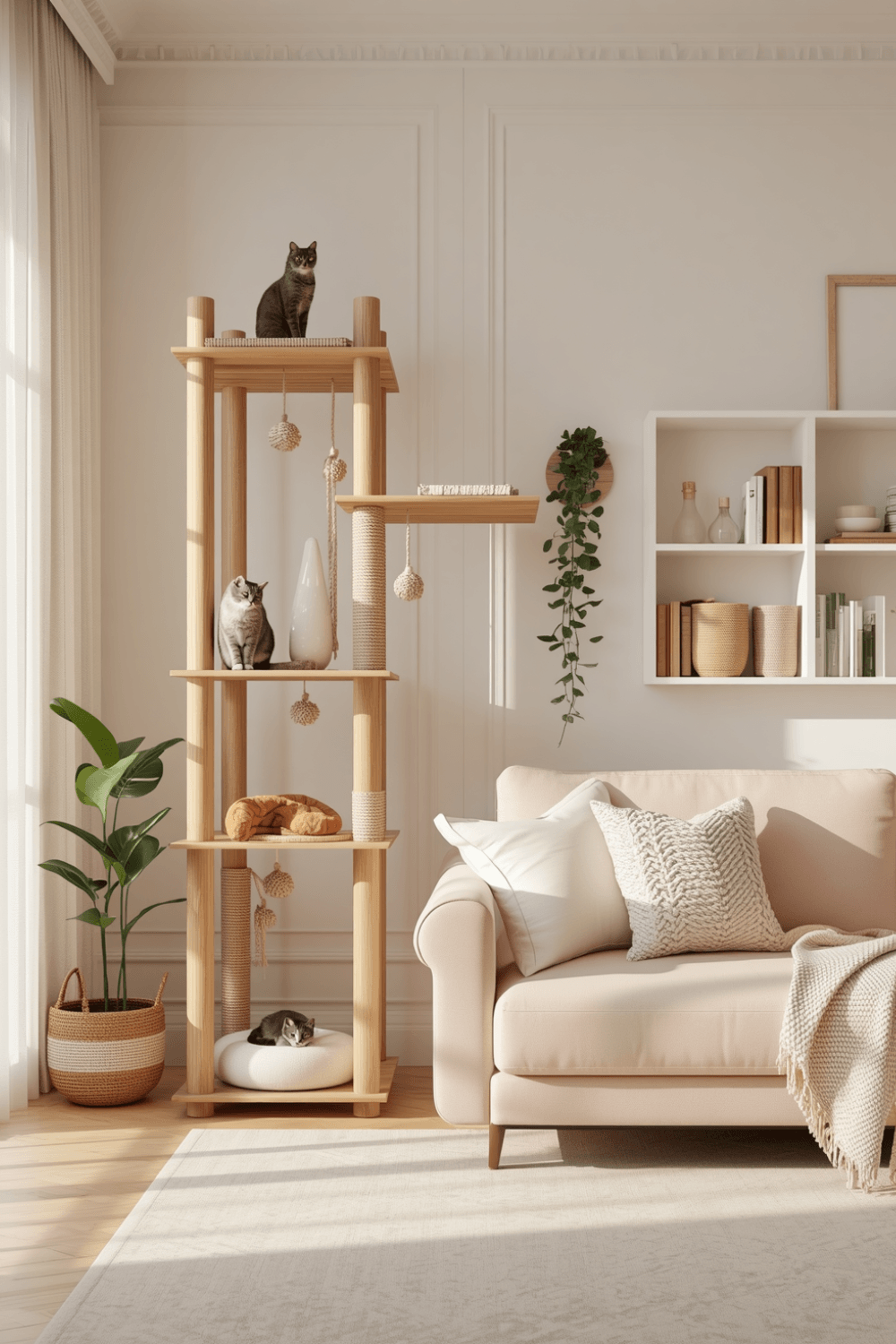
Building on that wood foundation, a natural wood cat tree specifically keeps the material in its raw or lightly stained state, letting the grain itself be the visual feature.
- Light oak tones work beautifully in bright, airy living rooms
- Warm walnut adds richer contrast in more traditionally styled spaces
- A mix of wood tones (if the piece includes multiple platforms) can actually work if they’re complementary rather than clashing
This approach genuinely helps a cat tree disappear into your existing furniture collection rather than standing out as an obvious “pet item” in the room.
Scandinavian Cat Furniture for Minimalist Homes
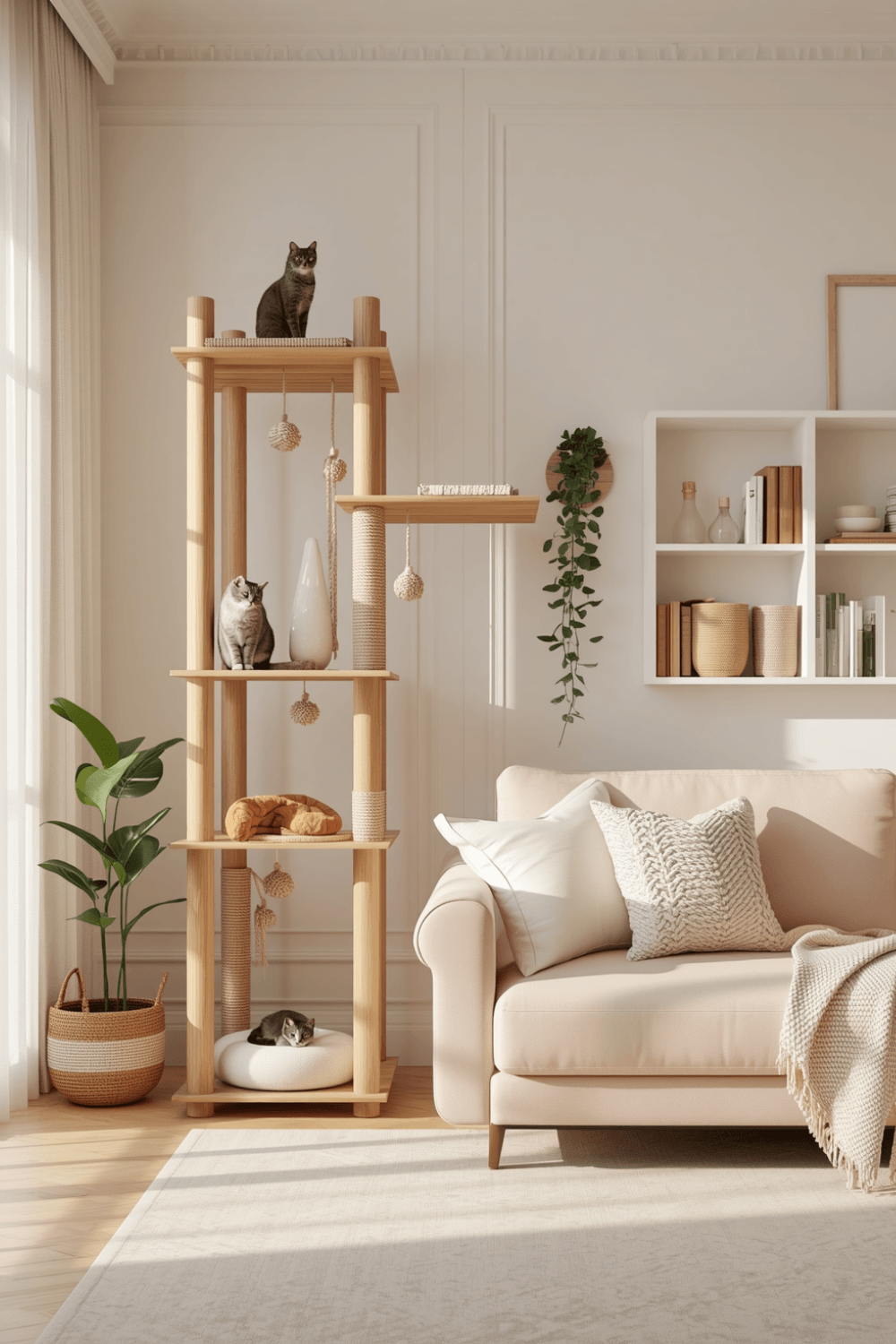
If your home leans toward that clean, functional Scandinavian aesthetic, your cat’s furniture should too.
Scandinavian cat furniture typically features:
- Pale wood tones — think birch or light ash
- Simple, geometric platform shapes rather than elaborate multi-level towers
- A restrained, mostly neutral color palette with maybe one small accent color
Why this style pairs so well with cat trees specifically: the minimalist philosophy of “function with simple beauty” translates naturally into pet furniture, since a cat tree’s actual purpose (climbing, scratching, resting) doesn’t require visual complexity to work well.
Luxury Cat Furniture for a Genuinely Elevated Look
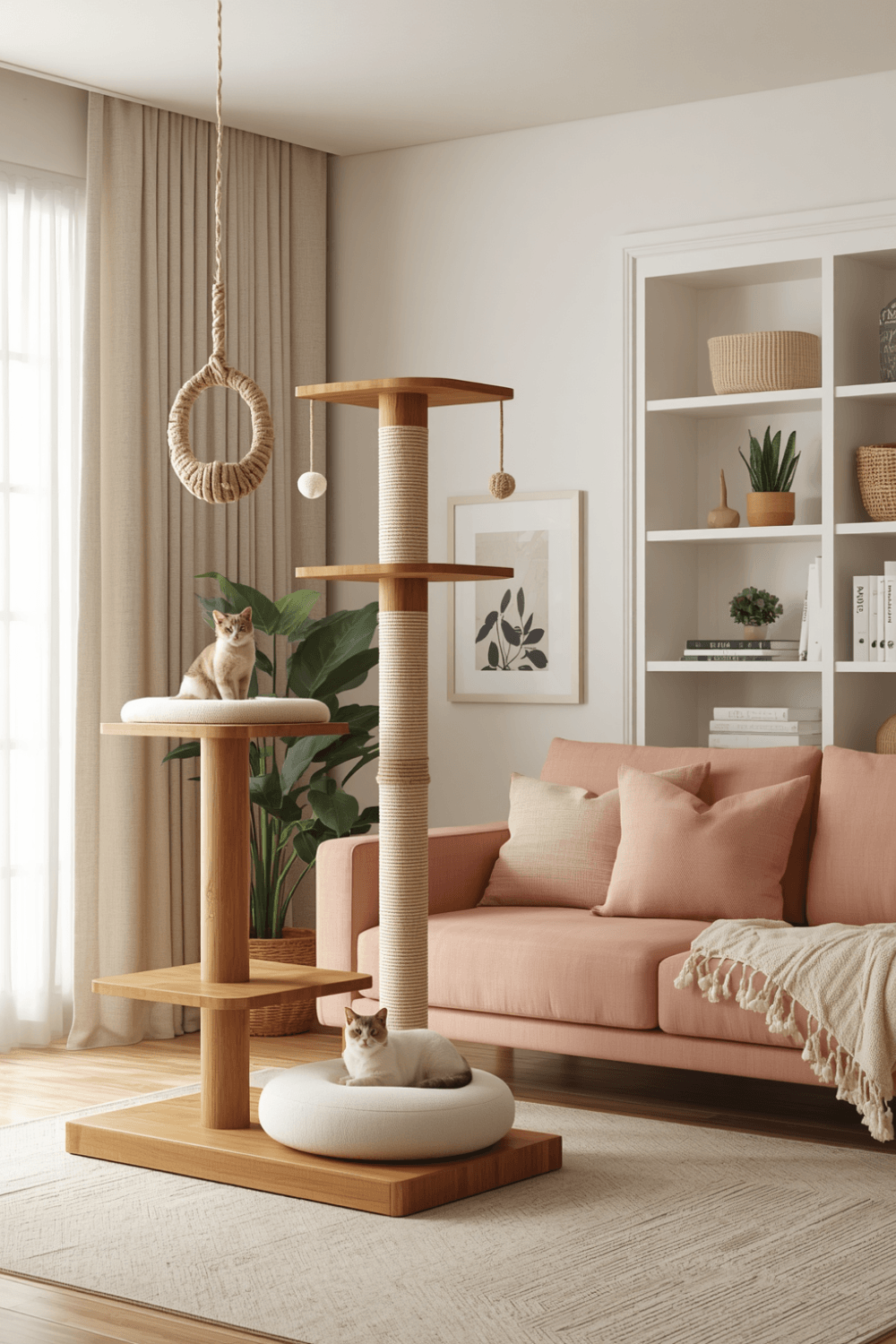
If you want your cat’s setup to feel like a real investment piece rather than something purely functional, luxury cat furniture has genuinely come a long way.
- Solid hardwood construction with furniture-grade finishes
- Designer-style silhouettes that could pass for actual sculptural furniture
- Premium materials for scratching surfaces — natural sisal rope rather than cheap carpet
Reality check: These pieces cost considerably more than a standard carpeted tower, but if you’re someone who cares deeply about your home’s overall aesthetic, the investment genuinely pays off in not having to hide or apologize for your cat’s furniture anymore.
Stylish Cat Furniture Beyond the Standard Tree Shape
Not every piece of stylish cat furniture has to look like a traditional multi-platform tree at all.
Alternative approaches worth considering:
- Sculptural single-piece designs — one flowing, organic shape rather than stacked platforms
- Furniture-integrated pieces — a cat tower built to look like a side table or small bookshelf
- Wall-mounted systems — foregoing a freestanding tree entirely in favor of climbing structures built directly into your walls
This kind of creative thinking genuinely opens up options beyond the standard carpeted-tower silhouette most people default to when picturing cat furniture.
Cat Wall Furniture for Vertical, Space-Saving Climbing
If floor space is tight, or you simply want your cat’s climbing setup to feel more architectural, cat wall furniture is genuinely worth exploring.
Cat Shelf Ideas for a Built-In Look
Cat shelf ideas use wall-mounted platforms — often in the same wood tone as nearby shelving or furniture — positioned at varying heights for climbing and lounging.
- A series of staggered shelves leading up toward a window perch
- A single wide shelf positioned near a sunny spot for lounging
- Small ledge-style steps leading up to a higher resting platform
Why this approach works so well: it genuinely integrates into your existing wall decor rather than requiring dedicated floor space, and it can look remarkably similar to the kind of floating shelving people already use for books or plants.
Cat Climbing Tower Alternatives for Active Cats
If your cat is genuinely active and needs more vertical challenge than a simple shelf setup provides, a proper cat climbing tower might be the better fit.
- Multiple platforms at varying heights for genuine exercise and exploration
- Built-in scratching posts integrated into the structure itself
- Enclosed cubbies or hideaways at different levels for resting spots
Quick tip: Measure your cat’s actual jumping and climbing behavior before buying. A cat that loves leaping between high perches needs a taller, more vertically ambitious structure than one that prefers lounging at a moderate height.
Indoor Cat Playground Setups for Multiple Cats
If you’ve got more than one cat at home, an indoor cat playground approach — rather than a single tree — often works better for keeping the peace.
- Multiple separate resting spots so cats aren’t forced to share one perch
- Varied heights to accommodate different personalities and territorial preferences
- Spread-out elements (a wall shelf here, a floor tower there) rather than one crowded central structure
This setup genuinely reduces competition and stress between multiple cats, since everyone gets their own space without having to negotiate a single shared tower.
DIY Cat Tree Ideas for a Custom, Budget-Friendly Build
If you’re handy or just want something genuinely one-of-a-kind, DIY cat tree ideas let you build exactly what fits your space and your cat’s needs.
Practical building tips:
- Use a solid wood base for stability, especially for taller structures where tipping is a real concern
- Wrap scratching surfaces in natural sisal rope rather than carpet, since it’s more durable and genuinely preferred by most cats
- Plan platform spacing based on your specific cat’s size and jumping ability, not generic measurements
Reality check: A DIY build genuinely takes more time and tool access than buying something pre-made, but it also lets you match your exact wood tone and style preferences in a way store-bought options sometimes can’t.
Handmade Cat Tree Options From Independent Makers
If DIY isn’t realistic for you but you still want something more custom than a mass-produced option, handmade cat tree pieces from independent woodworkers or small businesses offer a middle ground.
- Custom sizing to fit your specific space or window
- Choice of wood tone and finish to match your existing furniture
- Often higher-quality joinery and construction than mass-market alternatives
Searching platforms specifically for handmade or small-batch cat furniture genuinely opens up options you won’t find in a standard pet store.
Cat Scratching Post Integration Without Sacrificing Style
Whatever structure you choose, a cat scratching post element needs to be part of the design, not an awkward afterthought.
- Sisal rope wrapped posts tend to look more natural and less obviously “pet product” than carpet-covered alternatives
- Vertical posts integrated into the tree’s main structure, rather than a separate standalone piece, keep things visually cohesive
- Consider a scratching post disguised as part of a table leg or furniture piece for maximum visual blending
Cat Hammock Ideas for Cozy Lounging Spots
Cats genuinely love a good hammock, and this is another area where design has improved considerably.
Cat hammock ideas worth considering:
- A woven or canvas hammock integrated into a mid-level tree platform
- A window-mounted hammock for sunny lounging, separate from a climbing structure entirely
- Natural fabric tones (cream, tan, soft gray) rather than bright, clashing colors
Cat Bed Ideas That Coordinate With Your Home
Beyond climbing structures, cat bed ideas have genuinely followed the same design evolution.
- Woven rattan or wicker bed frames that look like genuine furniture
- Neutral-toned cushions rather than loud patterns or bright colors
- Enclosed, cave-style beds in natural materials for cats who prefer more privacy
Cozy Cat Corner Setups for a Dedicated Space
If you’ve got a bit of extra room, dedicating a genuine cozy cat corner rather than scattering pieces throughout your home creates a more cohesive, intentional feel.
- A combination of a climbing tower, a bed, and a scratching post grouped together
- Positioned near a window for natural light and outdoor viewing
- Styled with the same design sensibility you’d apply to any other corner of your home
Cat Room Ideas for Dedicated Pet Spaces
If you’re genuinely fortunate enough to have a spare room or large closet to dedicate, cat room ideas take this concept even further.
- Wall-mounted shelving systems for full-room climbing opportunities
- A litter box area kept visually separate from play and resting zones
- Natural light and a window perch as a central feature
Pet Friendly Home Decor and Modern Pet Furniture Overall
At the end of the day, genuinely good pet friendly home decor and modern pet furniture come down to a few consistent principles:
- Choose materials (wood, natural rope) that coordinate with your existing furniture
- Prioritize function for your specific cat’s actual behavior and preferences
- Look beyond the traditional carpeted-tower shape for more design-forward options
- Don’t be afraid to invest, since quality pieces genuinely last longer and look better over time
Final Thoughts: Your Cat’s Furniture Can Finally Match Your Style
At the end of the day, cat tree design ideas have genuinely evolved past the old carpet-and-beige standard. You don’t have to choose between a home you love and a space your cat can actually enjoy climbing and scratching in.
Key takeaway: Start with materials that coordinate with your existing furniture — real wood, natural rope, neutral tones — and think beyond the traditional tower shape if it doesn’t suit your space. Function and style genuinely aren’t mutually exclusive anymore.
Frequently Asked Questions
1. Are wooden cat trees as durable as the traditional carpeted ones?
Generally, yes — solid wood construction with a proper finish tends to hold up better over time than particleboard-and-carpet builds, which often fray and wear down faster. Just make sure any wood surfaces are properly sealed to handle regular scratching and climbing.
2. Do cats actually prefer sisal rope over carpet for scratching?
Many cats genuinely do prefer sisal rope, since its rough, fibrous texture satisfies their natural scratching instinct more effectively than carpet. It’s also considerably more durable, holding up to repeated scratching without fraying apart as quickly.
3. Can a DIY cat tree really look as good as a store-bought designer one?
Absolutely, especially if you have some basic woodworking skills and take the time to match your home’s existing wood tones and style. A well-planned DIY build often ends up more customized to your exact space than many mass-produced options.
4. How do I choose between a floor tower and wall-mounted cat shelves?
It really depends on your available space and your cat’s specific behavior — active climbers often enjoy a tall tower, while space-conscious homes or cats who prefer resting spots may do better with wall-mounted shelving. Many households actually benefit from combining both approaches.
5. Is it worth spending more on luxury cat furniture?
If you genuinely care about your home’s overall aesthetic and plan to keep the piece long-term, investing in higher-quality materials and construction often pays off in both durability and how well it blends into your space. For more budget-conscious setups, a well-chosen DIY or mid-range wood option can still achieve a similar stylish look.
6. How many resting or climbing spots do I need for multiple cats?
As a general guideline, providing separate spots for each cat helps reduce competition and territorial stress, whether that’s through multiple wall shelves, a multi-platform tower, or a combination of both spread throughout your space. Giving each cat their own clear spot genuinely helps keep the peace in multi-cat households.