Japandi Living Room Ideas That Actually Stay Calm
Japandi Living Room: What I Learned Trying to Create Calm That Actually Lasted Past Move-In Day
I redesigned my living room chasing that serene Japandi look, natural wood, low furniture, muted tones, a genuinely calm and uncluttered feeling. It looked exactly like the photos for about a month. Then mail started piling up on the coffee table, remotes and chargers accumulated on every open surface, and within a season that same calm room looked more like an ordinary cluttered living room that happened to have nice furniture.
That experience taught me that achieving the Japandi look is honestly the easier part. Keeping it that way through actual daily life required a completely different set of decisions than I’d originally made. Here’s what I learned building a Japandi living room that stayed calm well past the initial styling.
Japandi Depends Heavily on Storage You Don’t See
I initially focused almost entirely on the visible aesthetic, natural materials, a muted palette, low-profile furniture, without thinking enough about where everyday items would actually live once real life moved back in. A beautifully minimal room with nowhere to hide daily clutter is set up to lose that minimal feeling fast.
Once I understood that Japandi’s calm appearance depends heavily on genuinely functional hidden storage, my approach to fixing the room shifted completely.
My Mistake: Beautiful Open Surfaces With No Storage Plan Behind Them
My original coffee table had zero storage, just a flat wood surface that looked serene when empty and became a catch-all for mail, remotes, and random items almost immediately. I hadn’t planned anywhere else for those items to actually go, so they ended up exactly where I didn’t want them.
I replaced it with a coffee table featuring a hidden lower shelf with a woven basket, giving daily clutter an actual designated home instead of accumulating on the visible surface. That single change did more to maintain the calm look than any of my original styling decisions.
Step-by-Step: Creating a Japandi Living Room That Actually Stays Calm
1. Choose furniture with hidden storage built in
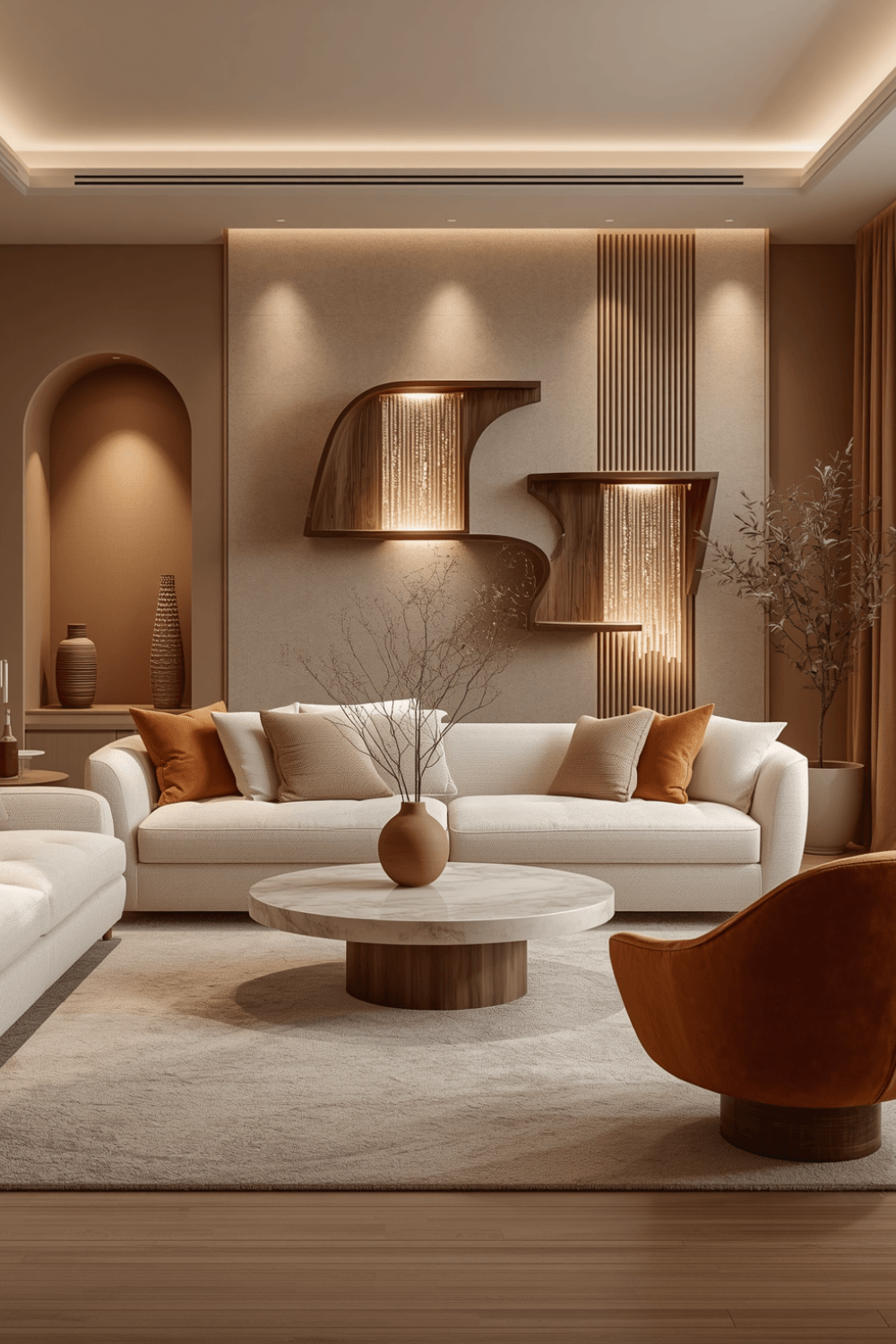 I now prioritize pieces like storage ottomans, coffee tables with lower shelving, and console tables with closed cabinets over purely open, minimal designs. The Japandi look depends on surfaces staying clear, and that’s genuinely only possible if daily items have somewhere else to actually go.
2. Stick to natural materials with visible texture
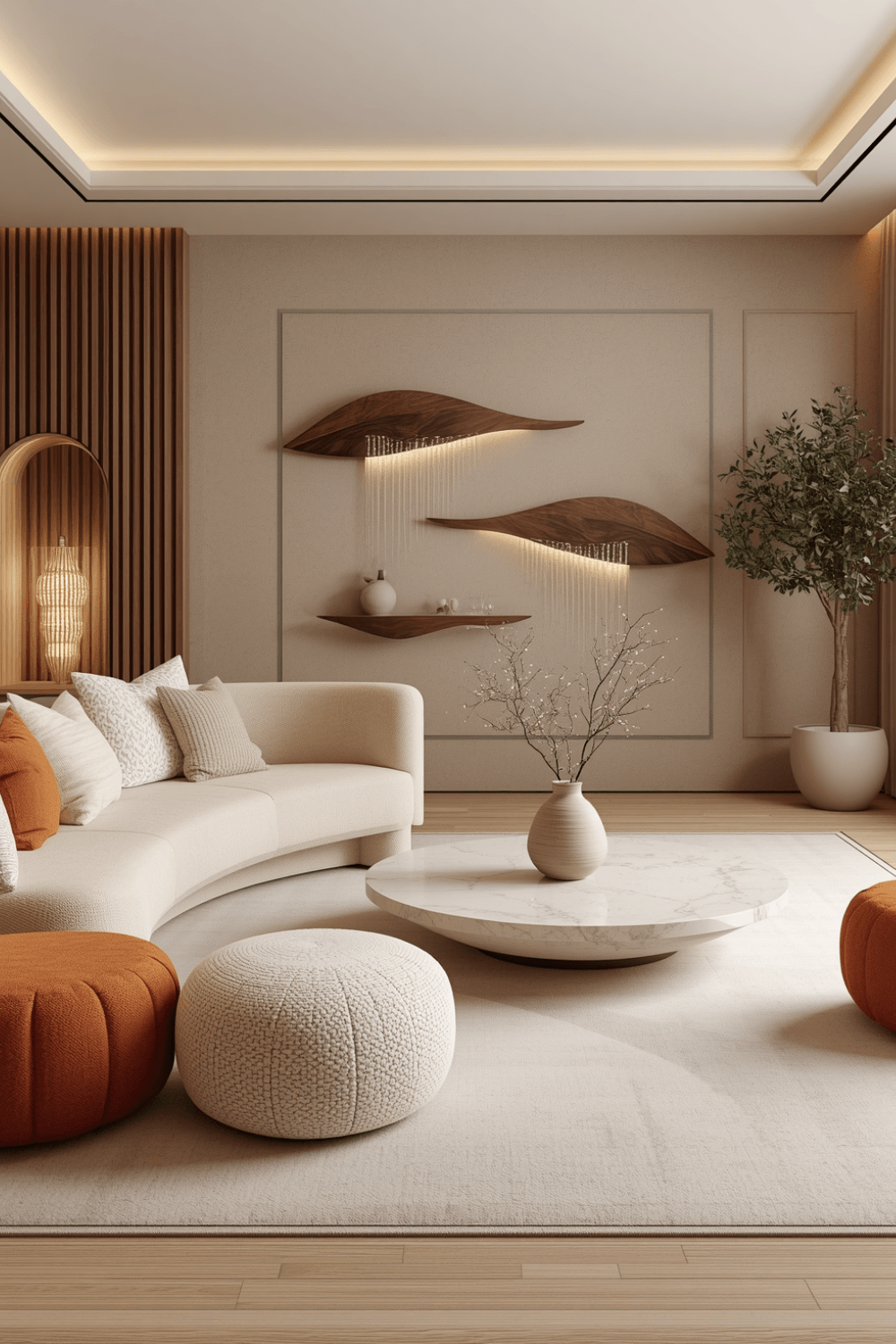 I used a light oak media console and a jute area rug, both featuring genuine natural texture rather than materials that just mimic the look. That authentic texture is a core part of what makes Japandi feel warm rather than sterile, despite its minimal, restrained approach to color and clutter.
3. Keep your color palette genuinely limited
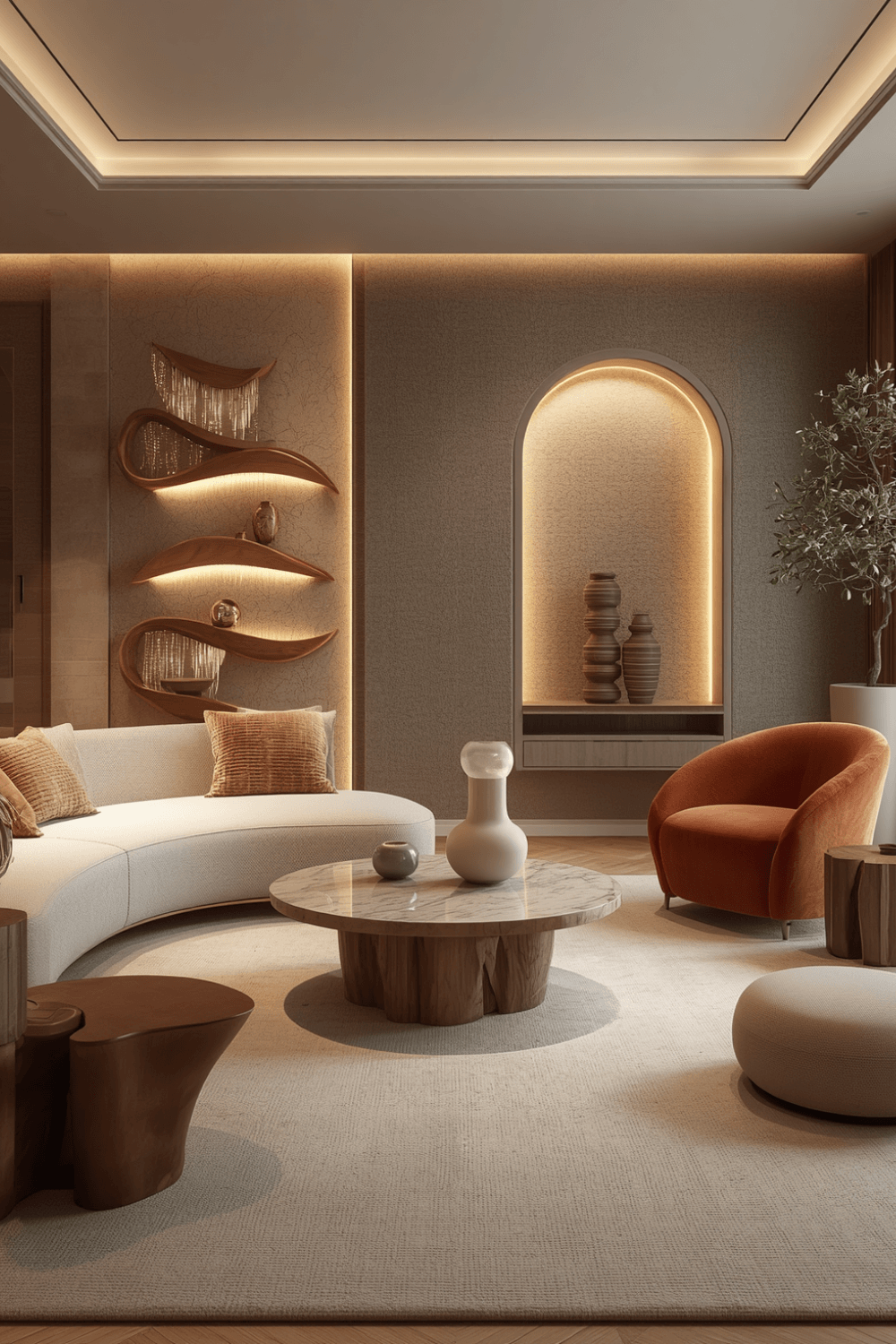 I committed to warm cream walls, natural wood tones, and one muted sage accent color throughout, resisting the urge to introduce additional colors as the room came together. Japandi depends heavily on restraint, and even one or two extra colors can undermine the calm, cohesive feeling the whole style is built around.
4. Choose low-profile furniture with clean, simple lines
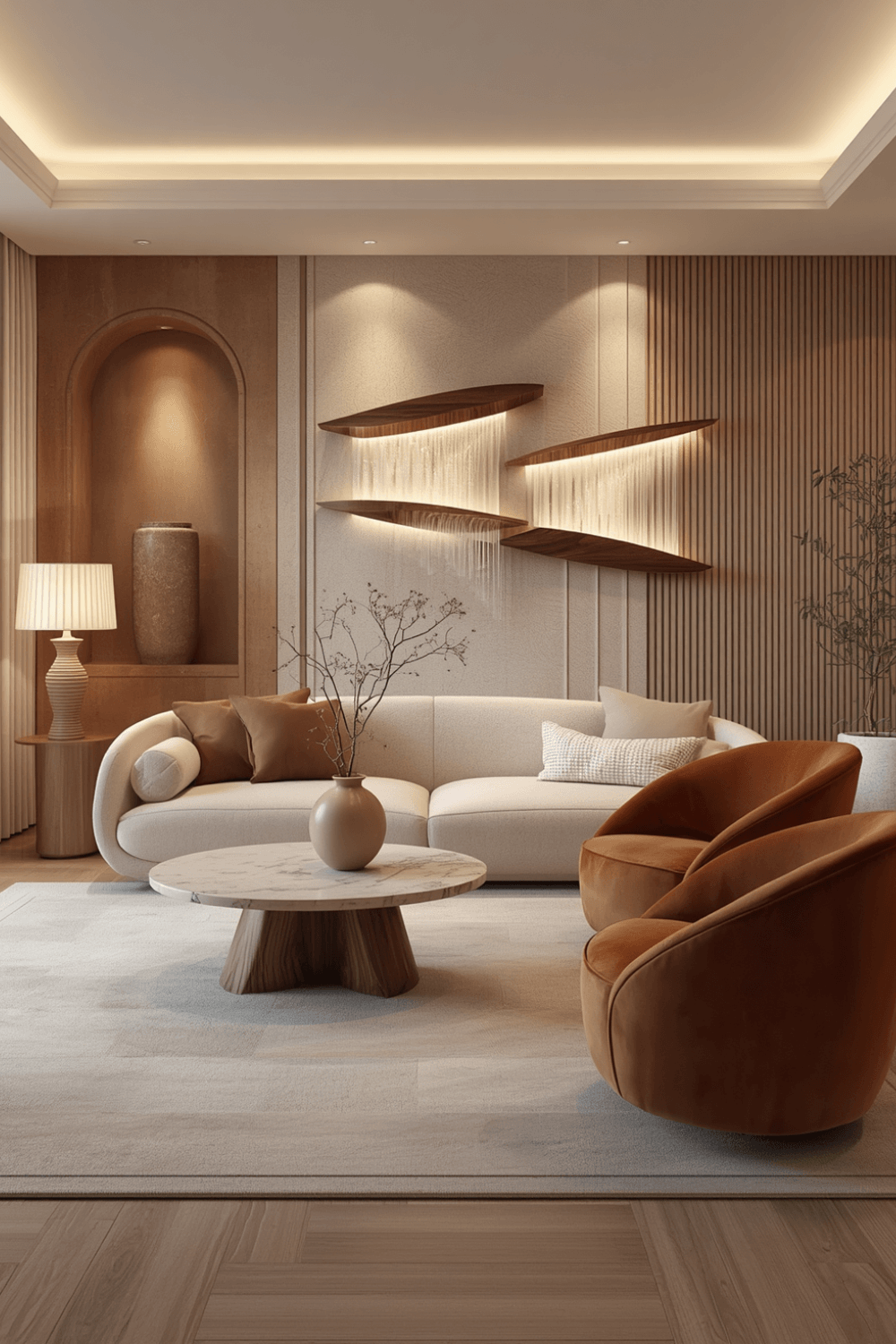 I swapped a tall, bulky bookshelf for a low, horizontal wood console, which fits the grounded, low-to-the-floor furniture silhouette central to Japandi design. Lower furniture profiles genuinely change how spacious and calm a room feels compared to taller, bulkier pieces.
5. Add one or two natural textural elements, not several competing ones
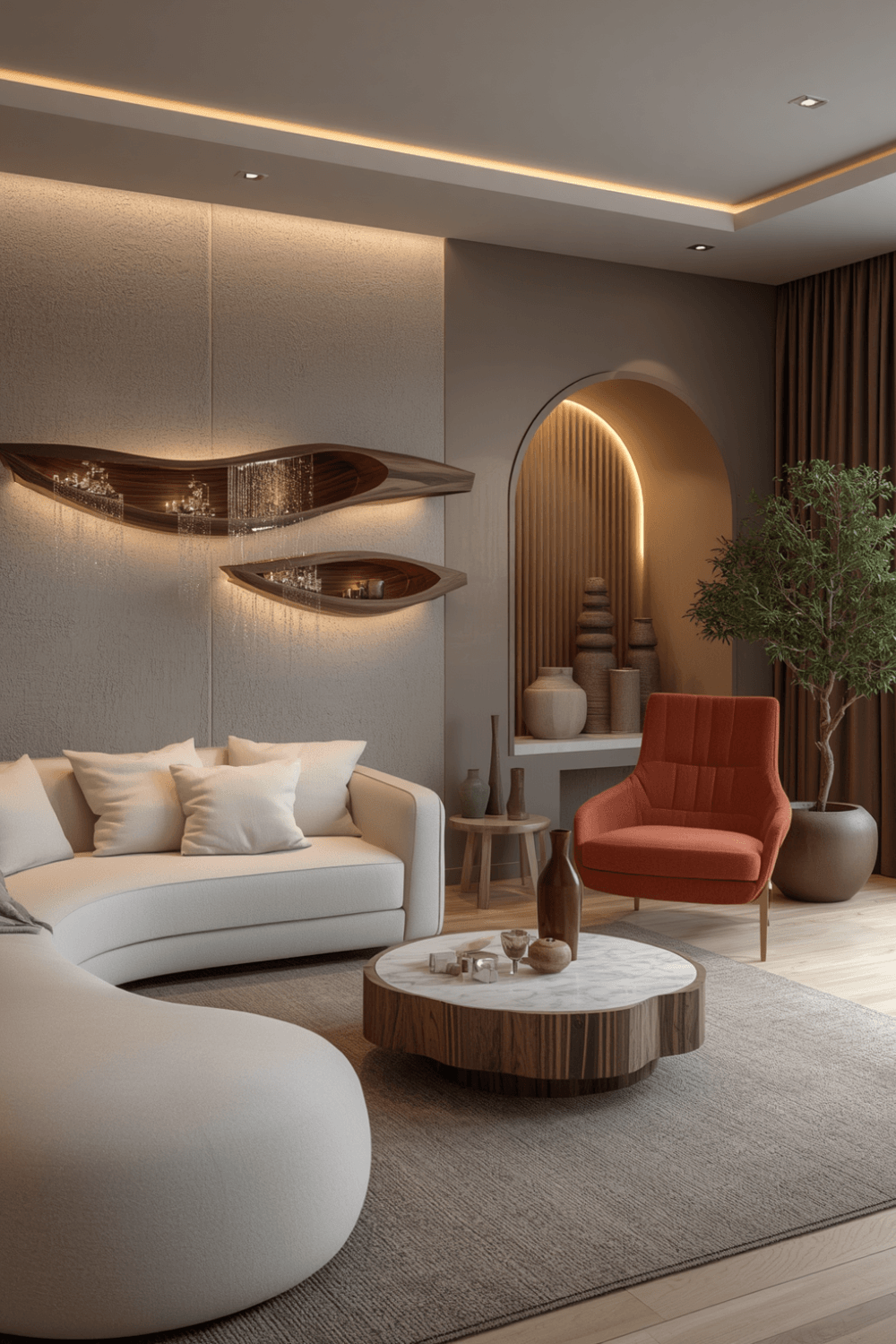 I added a single woven pendant light and one ceramic vase with a slightly imperfect, hand-thrown quality, rather than layering in multiple different natural materials all at once. A couple of well-chosen textural pieces read as intentional, while too many at once starts to feel busy despite each individually fitting the aesthetic.
6. Build in a genuine daily reset habit
I spend about five minutes each evening returning stray items to their designated storage spots, whether that’s the basket under my coffee table or a drawer in my console. This small, consistent habit has done more to maintain the room’s calm feeling long-term than any single storage solution on its own.
7. Add plants sparingly and choose ones you’ll actually maintain
I added one substantial fiddle leaf fig rather than several smaller plants scattered throughout the room, specifically choosing something low-maintenance since I know from experience that multiple plants eventually become another task I’d neglect. One thriving plant reads as far more intentional than several struggling ones.
Real Examples From People I Know
A friend leaned heavily into closed storage throughout her Japandi living room, choosing a media console, coffee table, and side table that all included hidden compartments. Her room maintains that calm, minimal look with almost no daily upkeep required because there’s genuinely nowhere visible for clutter to accumulate.
Another friend added a simple daily basket by her front door specifically for mail and loose items, which gets emptied into proper storage each evening rather than allowed to migrate onto her living room surfaces at all. Catching clutter before it even reaches the room kept her Japandi space consistently calm.
Common Mistakes to Avoid
Choosing furniture based purely on its minimal appearance without storage function. Open, storage-free surfaces tend to accumulate daily clutter fast, undermining the calm aesthetic.
Introducing too many colors or accent tones. Japandi depends heavily on a genuinely restrained palette to achieve its signature calm feeling.
Layering multiple competing natural textures at once. A couple of well-chosen elements read as intentional, while too many can start to feel visually busy.
Choosing tall, bulky furniture over low-profile pieces. Grounded, horizontal silhouettes are central to the Japandi look and genuinely affect how spacious the room feels.
Skipping a genuine daily maintenance habit. Even a well-designed Japandi room needs consistent small resets to actually stay looking the way it was originally styled.
Final Thoughts
My Japandi living room taught me that achieving that calm, minimal look is really only the first half of the project. The harder, more important part is building genuine hidden storage and daily habits that let the room actually stay that way through real life. The coffee table swap alone did more to maintain the aesthetic than any of my original visual styling choices.
If you’re working on your own Japandi living room, prioritize furniture with hidden storage before finalizing anything purely for looks, keep your color and material palette genuinely restrained, and build in a small daily reset habit. That combination is really what separates a Japandi living room that looks calm on move-in day from one that actually stays that way months later.