Rustic Bedroom Ideas | Cozy Neutral Bedroom with Wooden Ceiling & Boho Decor
Rustic Bedroom Ideas: What I Learned After Mine Started Looking Like a Hunting Lodge
I went all in on rustic decor for my bedroom a couple of years ago, and by the time I finished, the room genuinely felt less like a cozy retreat and more like the lobby of a hunting lodge. Heavy dark wood everywhere, a plaid comforter, antlers on the wall, zero softness anywhere in sight. It was a lot, and not in a good way.
It took some real editing and a handful of specific changes before that same rustic foundation turned into a room that actually felt warm and inviting instead of like a themed cabin rental. If you’re drawn to rustic style but worried about it going too far in the wrong direction, here’s what actually made the difference for me.
Rustic Doesn’t Mean Every Surface Has to Be Reclaimed Wood
My original mistake was treating “rustic” like a strict checklist rather than a general feeling. Plaid everything, also check. The result had zero visual variety, and honestly it felt heavy and a little dated instead of cozy.
What actually works, based on both fixing my own room and seeing plenty of other rustic bedrooms done well, is balancing that natural wood warmth with softer textures and lighter elements so the room breathes instead of feeling like one solid block of dark material.
My Big Fix: Adding Texture and Light Instead of More Wood
Once I stepped back from my original all-wood approach, the fix wasn’t actually removing the rustic elements I loved, it was adding contrast around them. I brought in a chunky knit throw, linen bedding in a soft cream instead of the heavy plaid comforter, and swapped one of my dark wood nightstands for a lighter, whitewashed version instead.
That mix of textures and lighter tones let the rustic wood pieces I kept actually stand out as intentional features instead of blending into one overwhelming block of similar material.
Step-by-Step: Designing a Rustic Bedroom That Actually Feels Cozy
1. Choose one or two statement rustic pieces, not every piece
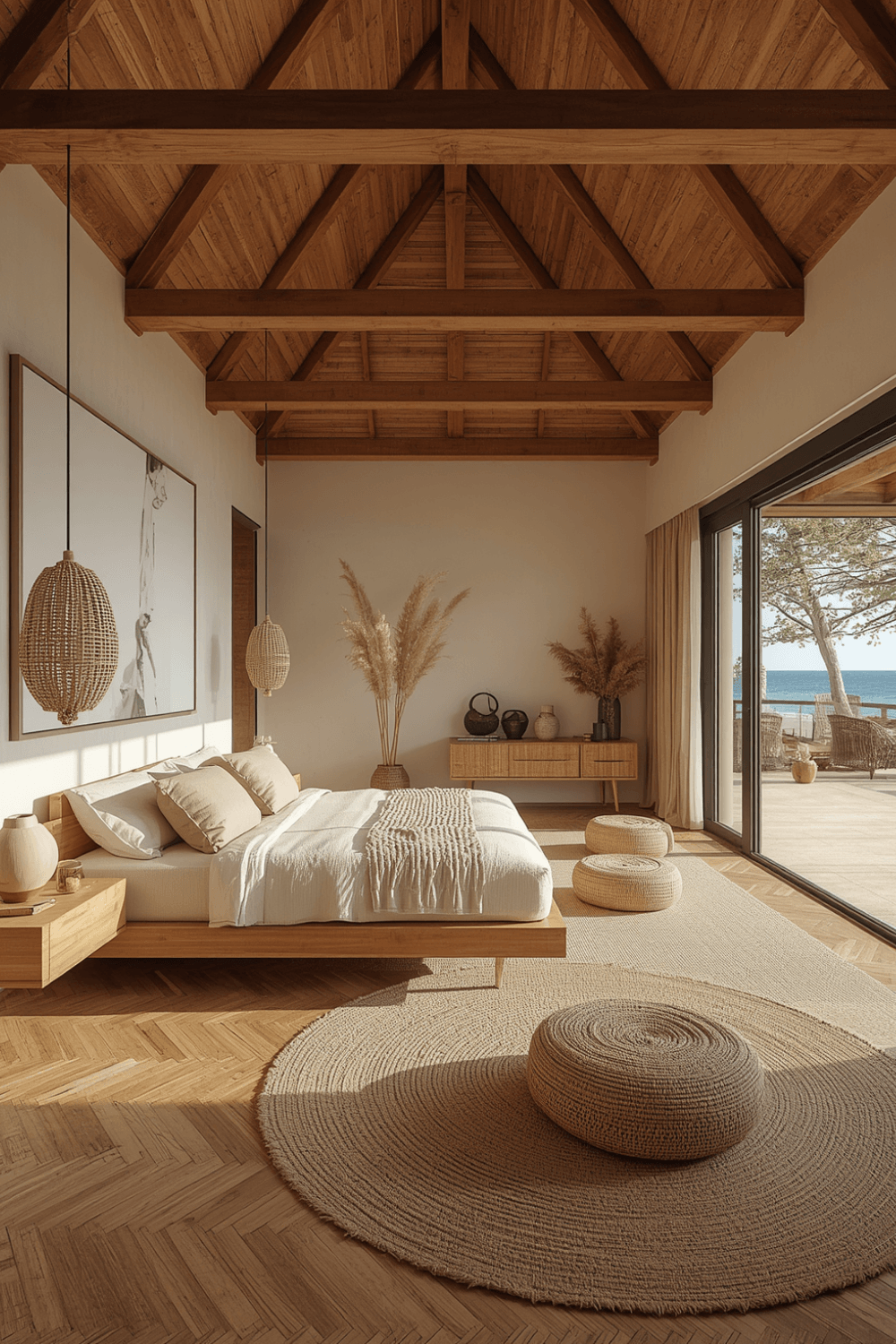
I now recommend picking your rustic headboard or your reclaimed wood dresser as a genuine focal point, then keeping other furniture pieces simpler and lighter in tone. Concentrating the rustic character into fewer, bolder pieces reads as more intentional than spreading heavy wood across every single item in the room.
2. Balance dark wood with soft, light textiles
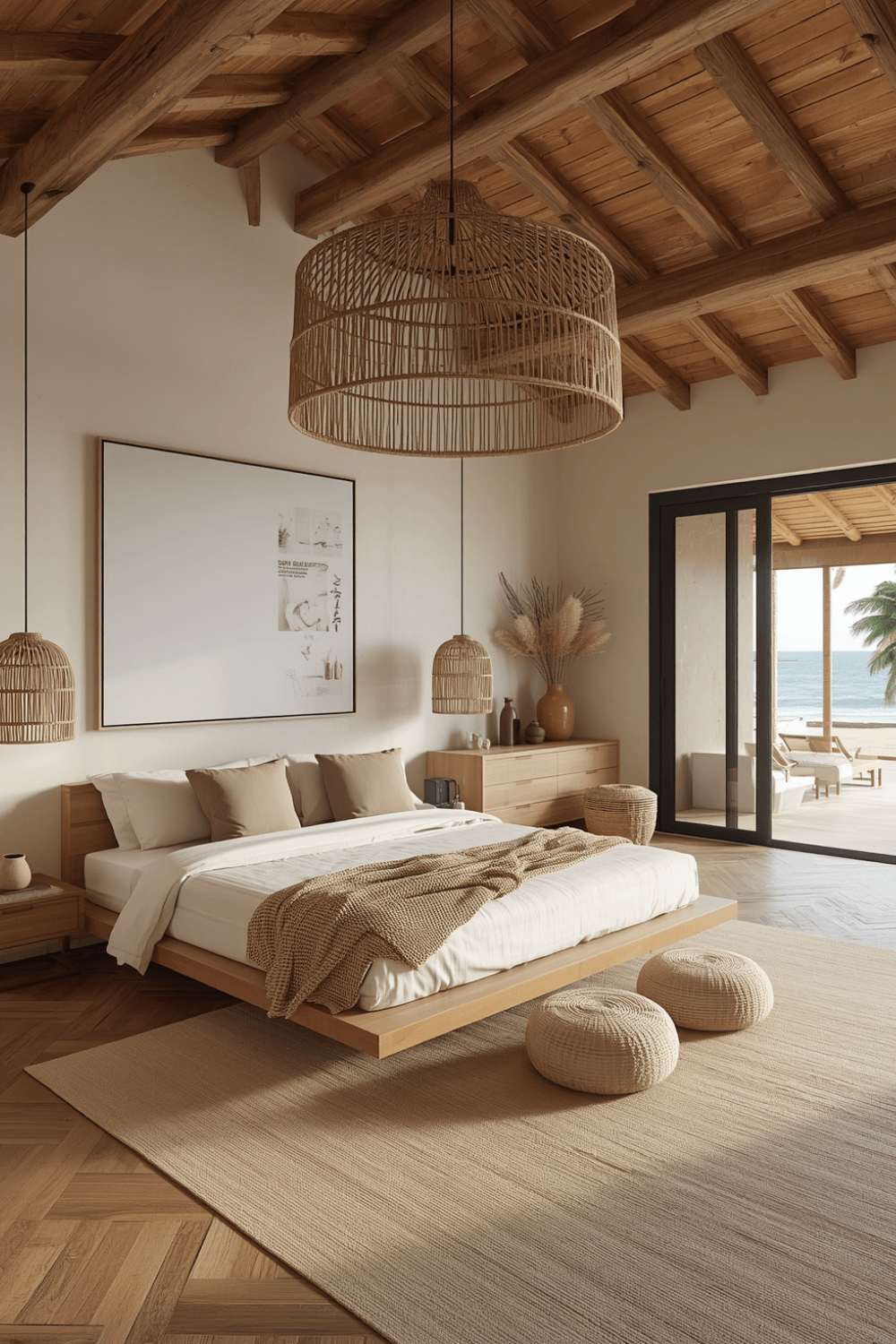
I switched my heavy plaid bedding for a soft linen duvet in a warm cream tone, which immediately lightened the whole feel of the room without removing a single piece of the actual wood furniture. Textiles do a lot of the emotional work in a rustic room, and going soft and light there keeps the space from feeling heavy.
3. Add warm layered lighting instead of one overhead fixture
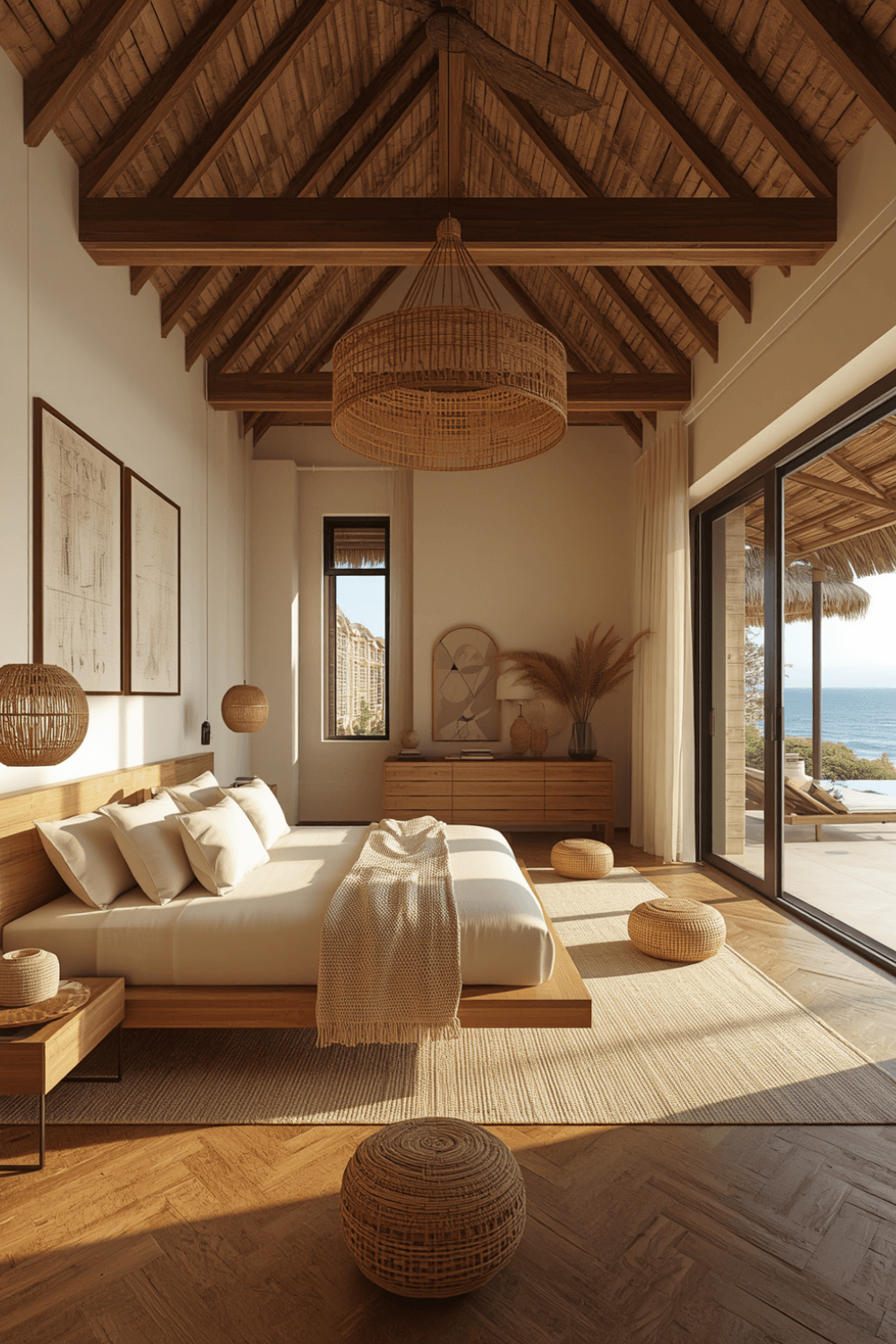
My original setup relied entirely on a single ceiling fixture, which left the room feeling flat and a little cold despite all the wood. I added a warm-toned bedside lamp on each nightstand and a small floor lamp in the reading corner, and the layered warmth made a genuinely noticeable difference in how cozy the room actually felt.
4. Mix in some black or aged metal for contrast
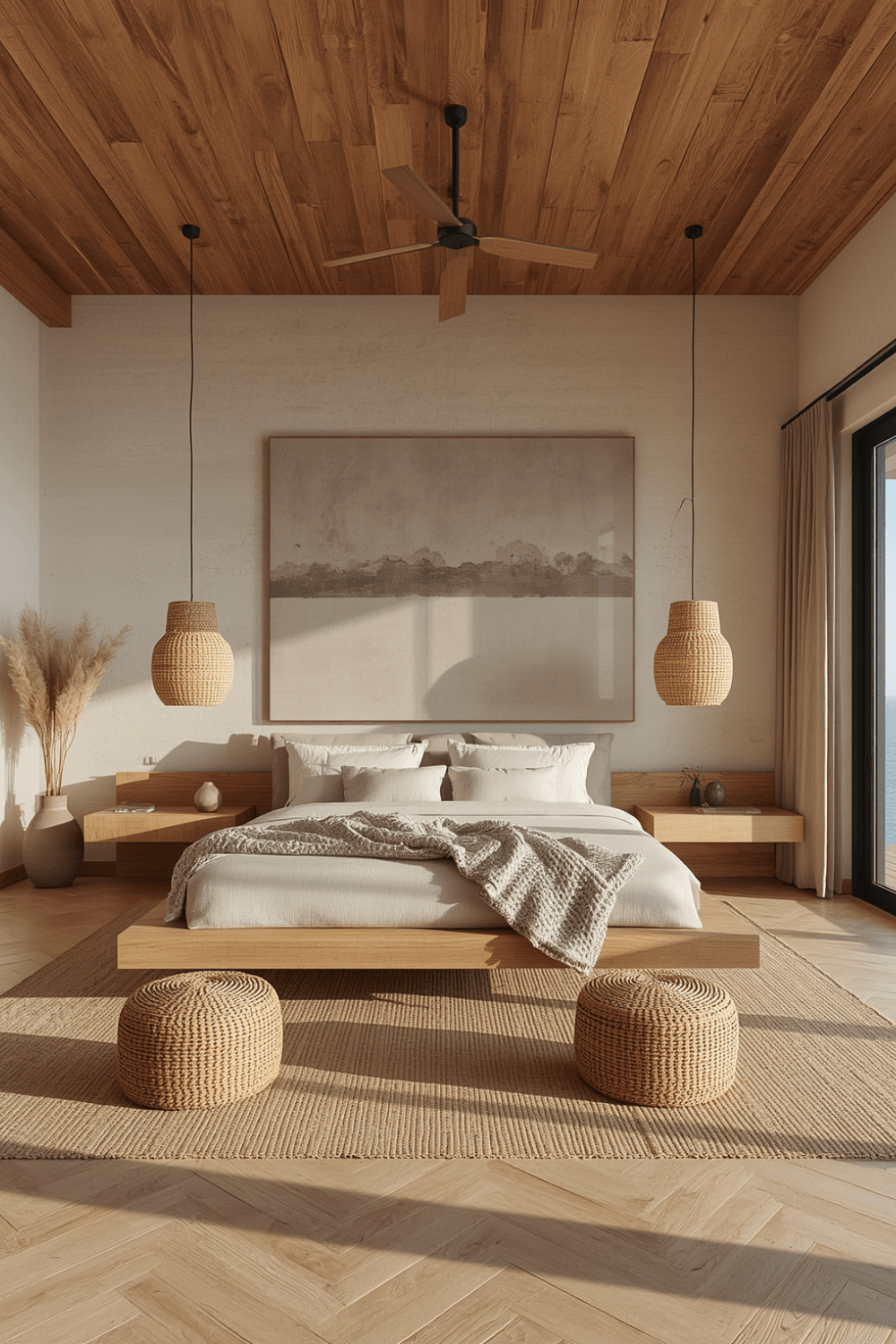
I added black metal handles to my dresser and a wrought iron-style curtain rod, which broke up the visual monotony of having only natural wood tones throughout the room. That small contrast in material kept the space from reading as one uniform block of brown.
5. Bring in greenery to soften the heavier elements
I added a couple of low-maintenance plants, a snake plant on the dresser and a trailing pothos on a shelf, which brought some organic softness into the room that wood and metal alone couldn’t provide. It’s a small addition that made a real difference in warming up the space.
6. Choose a rug that adds texture without adding more brown
I picked a cream and gray woven wool rug instead of another dark patterned option, which gave the floor some visual interest without piling on more dark tones. A lighter rug also helps ground the room and makes the wood furniture above it stand out more clearly.
7. Edit out anything purely themed rather than genuinely functional
This was honestly the hardest lesson. I removed the antlers and a couple of overly literal “cabin” decor pieces I’d added early on, since they pushed the room from cozy rustic into costume territory. Rustic works best as a material and texture choice, not a full theme covering every surface.
Real Examples From People I Know
A friend kept her rustic bedroom to just a reclaimed wood bed frame and a matching nightstand, paired with white bedding, a jute rug, and brass hardware throughout. It reads as warm and intentional rather than heavy, mostly because she resisted the urge to add rustic elements to every single surface.
Another friend went bolder with a full wood accent wall behind her bed, but balanced it with all-white bedding, sheer curtains, and plenty of natural light coming through a large window. The contrast between the bold wood wall and the airy, light textiles kept the room from feeling closed-in despite the dramatic feature wall.
Common Mistakes to Avoid
Using heavy dark wood on every single furniture piece. It tends to feel overwhelming and dated rather than cozy once it covers the entire room.
Pairing rustic wood with equally heavy, dark textiles. Lighter bedding and soft textures give the wood room to actually stand out as a feature.
Relying on one overhead light for the whole room. Rustic spaces especially benefit from warm, layered lighting to avoid feeling flat or cold.
Adding overly literal theme decor. Rustic works best as a material and texture choice rather than a full cabin costume covering every surface.
Skipping contrast materials like metal or greenery. A room that’s entirely wood tones can start to feel monotonous without something to break it up visually.
Final Thoughts
My rustic bedroom didn’t need less rustic character to finally feel right, it needed better balance around the pieces I already loved. Swapping heavy textiles for lighter ones and adding some contrast in metal and greenery made a much bigger difference than I expected without removing any of the wood furniture I was originally drawn to.
If you’re designing your own rustic bedroom, pick one or two statement wood pieces to really lean into, then balance everything else with softer textiles, layered lighting, and a little contrast. That combination is really what separates a genuinely cozy rustic room from one that starts to feel like a themed cabin lobby.