White Bathroom Decor Ideas That Actually Work (Real Home Tips)
White Bathroom Decor: What I Wish Someone Told Me Before I Redid Mine
I still remember standing in my bathroom at 11pm with a paint roller in one hand and a mug of cold tea in the other, wondering why my “clean, spa-like white bathroom” looked more like a hospital hallway. That was three years ago. I’d spent a weekend and a decent chunk of my savings chasing a Pinterest picture, and what I got instead was a cold, flat, boring box.
It took a few more rounds of trial and error — and a lot of returned Amazon orders — before the room finally felt the way those photos promised it would. So if you’re thinking about doing a white bathroom, I want to save you the version of me who didn’t know better.
Why White Still Works (When You Do It Right)
White bathrooms never really went out of style, and there’s a reason for that. They make small spaces feel bigger, they photograph beautifully, and they’re timeless in a way that trendy colors just aren’t. My aunt’s bathroom is still the same white tile from the 90s and it honestly still looks fine.
But here’s what nobody tells you: an all-white bathroom is unforgiving. Every water spot, every smudge, every yellowing grout line shows up like a spotlight is on it. White decor isn’t low-maintenance — it’s high-reward if you keep up with it, and it looks tired fast if you don’t.
My First Attempt (And Where It Went Wrong)
My first mistake was buying every single item in pure white. Towels, bath mat, shower curtain, storage baskets — all the exact same shade straight off Amazon. The result was flat. It had zero depth, and honestly it felt sterile, like a doctor’s office instead of somewhere I wanted to relax.
The second mistake was lighting. I had one harsh overhead bulb, and under that light, “white” looked more like a dull gray-blue. I didn’t realize lighting could change a color that much until I saw it happen to my own walls.
Fixing both of these taught me more than any design blog ever did.
Step-by-Step: Getting White Bathroom Decor Right
1. Pick warm white, not stark white
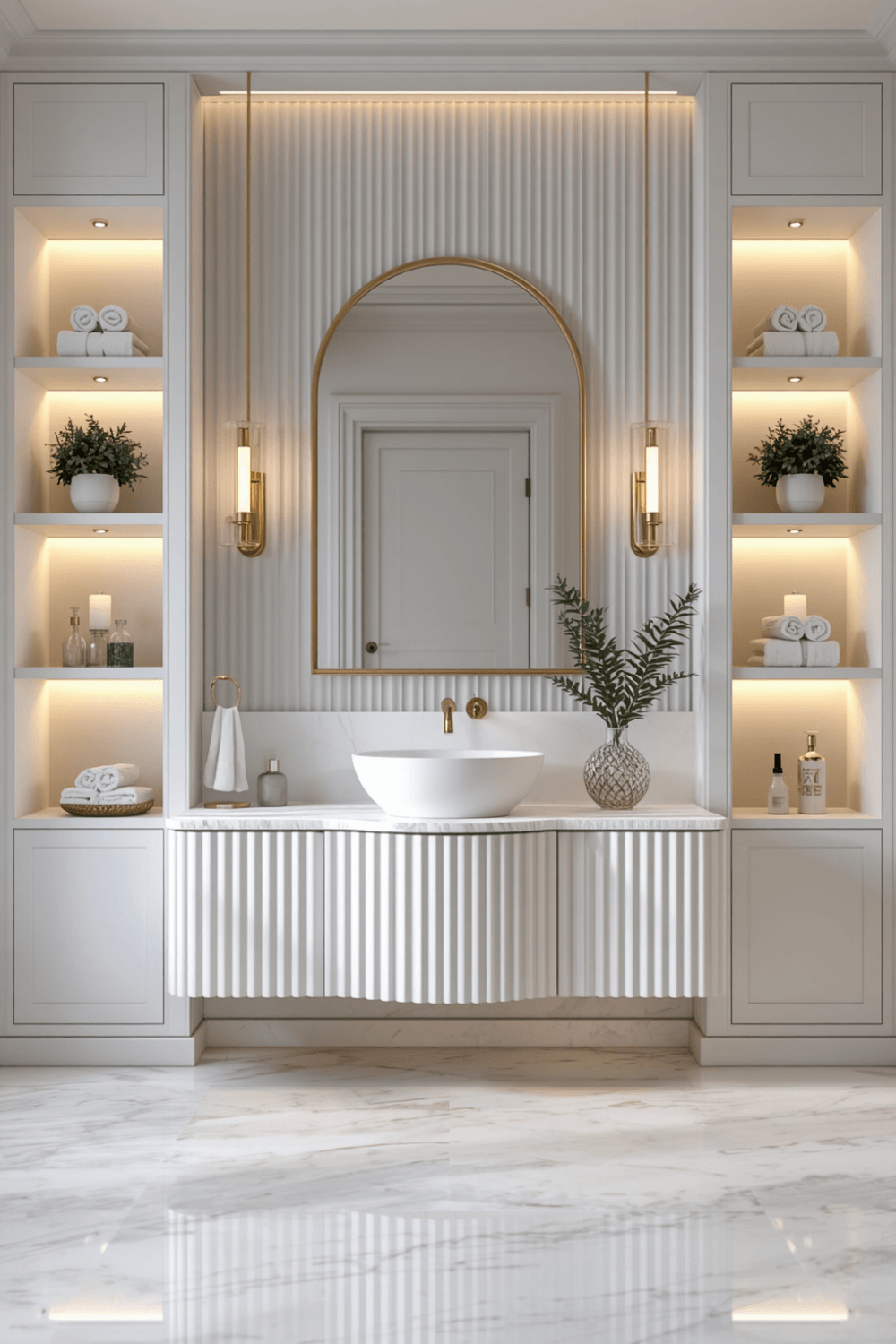
This one change alone made the biggest difference for me. I switched my wall paint from a bright “Chantilly Lace” style white to a warmer off-white with a hint of cream undertone. Suddenly the room felt inviting instead of clinical. If you’re choosing paint, ask for swatches and tape them to your wall for two or three days — the color shifts completely depending on morning versus evening light.
2. Layer different whites and textures
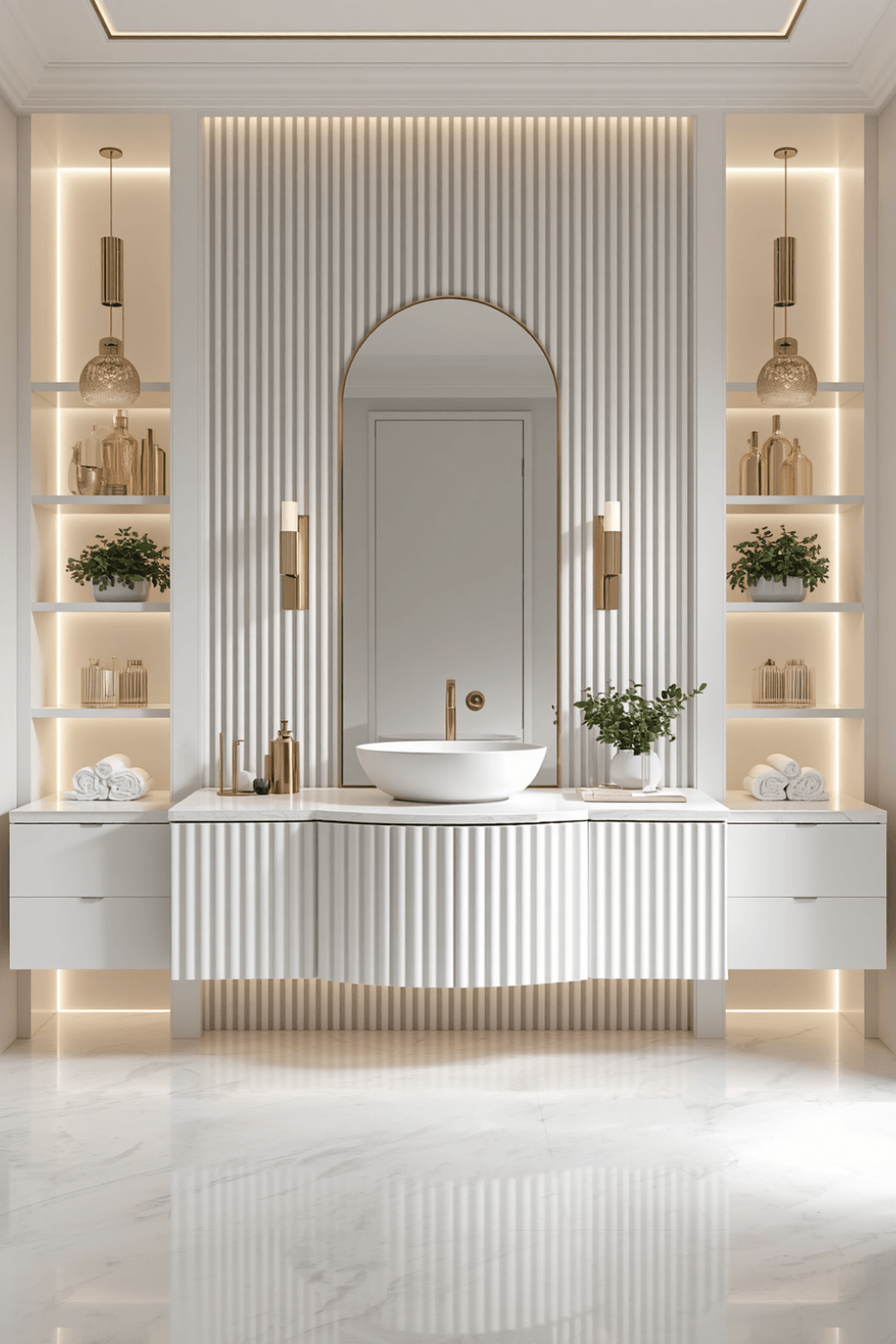
Don’t buy everything in the same shade. Mix an ivory towel with a crisp white bath mat, add a woven rattan basket, maybe a marble-look tray. The contrast in texture is what makes a white room look expensive instead of empty. I picked up a rattan mirror frame from HomeGoods for under $30 and it changed the whole vibe of my vanity area.
3. Bring in wood or natural elements
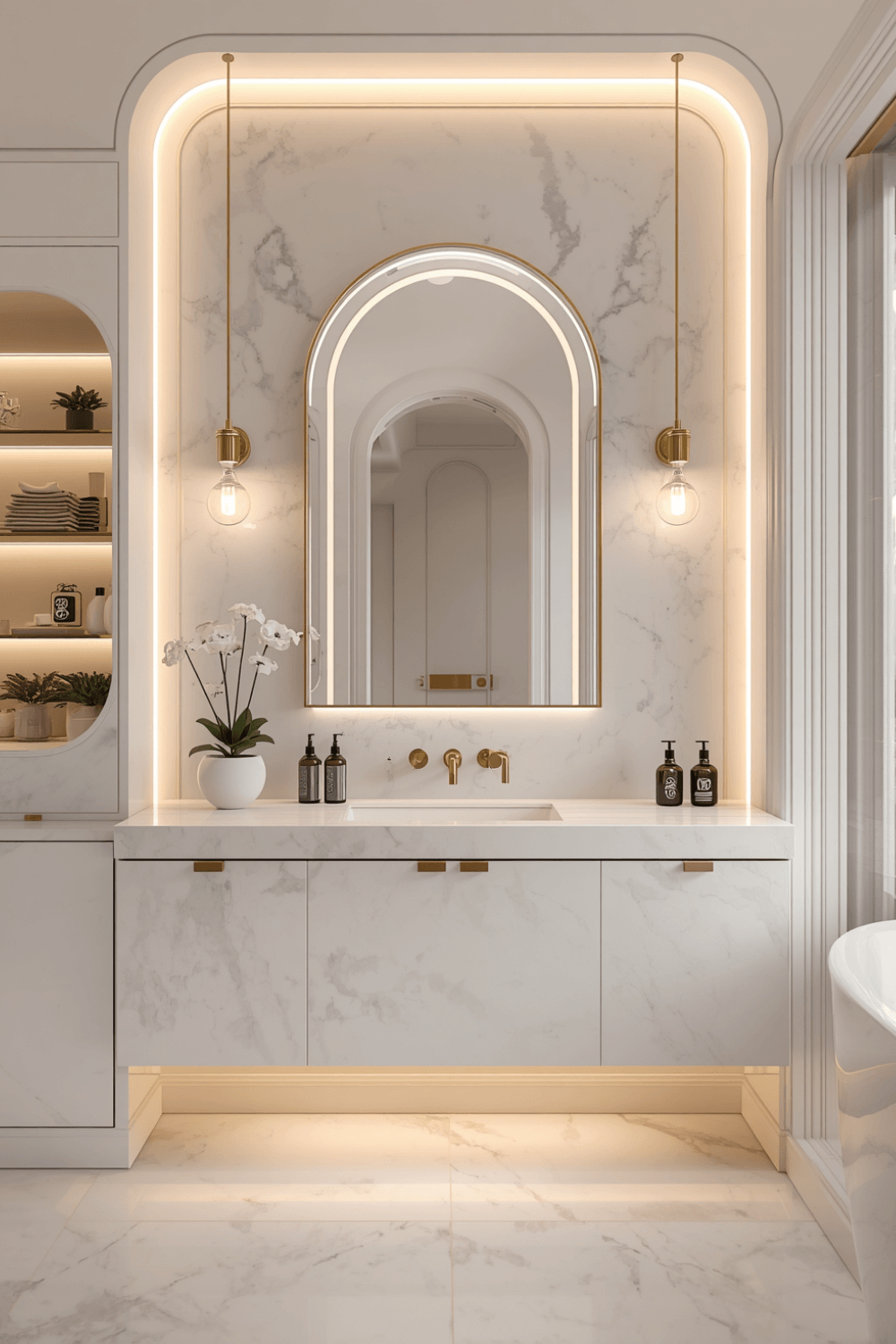
A plain white room needs warmth from somewhere, and wood does that job better than almost anything else. I added a small teak stool near my tub (originally meant for outdoor use, but it works great as a plant stand or a spot to rest a candle) and it instantly softened the space.
4. Fix your lighting before you fix anything else
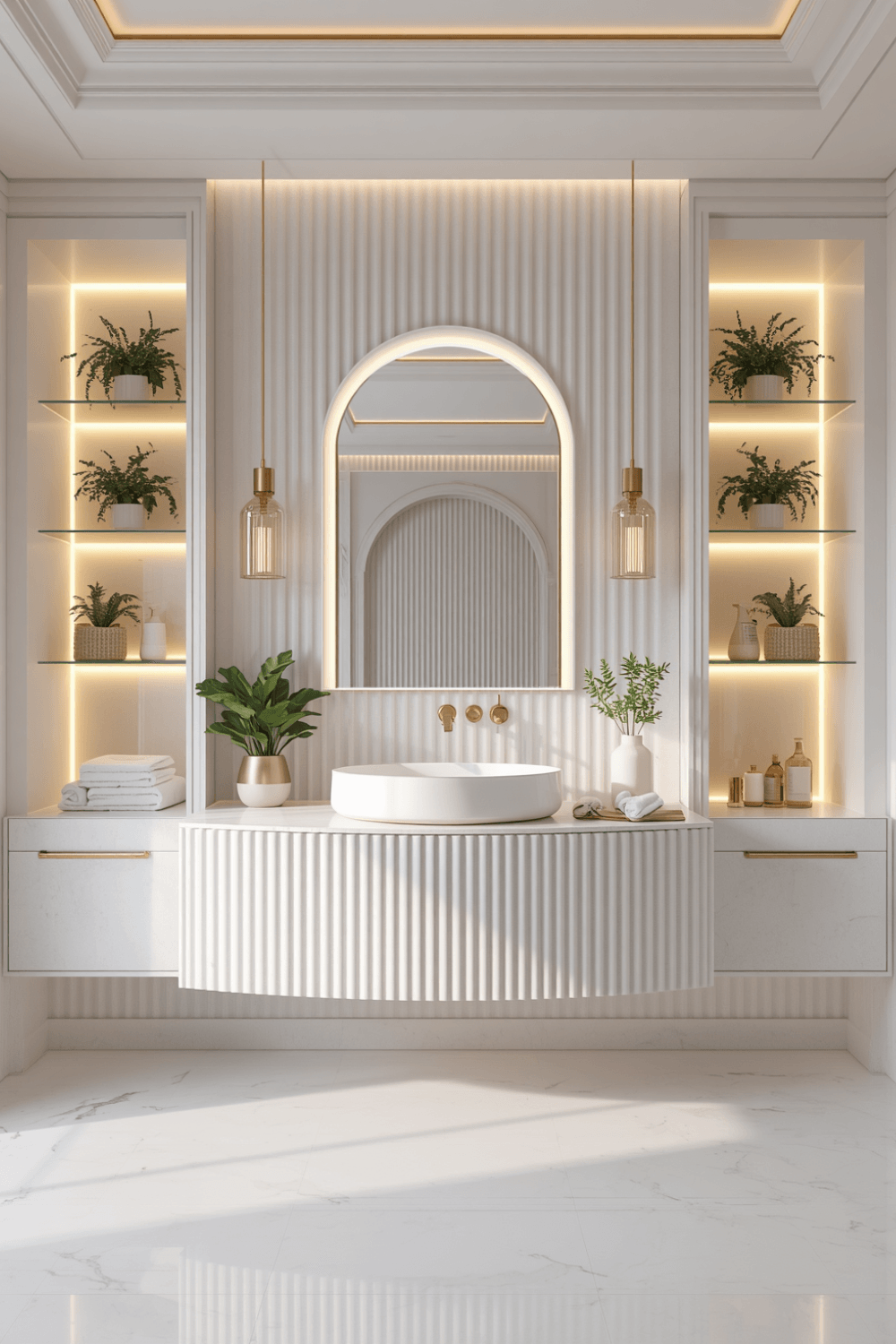
If I could redo my renovation, I’d deal with lighting first. I added a simple LED vanity light bar with a “warm white” 3000K bulb rating, and it fixed the gray, flat look almost overnight. Cool-toned bulbs (anything above 4000K) tend to make white tile look sterile and slightly blue. Warm-toned bulbs make the same tile look soft and clean.
5. Add one bold or dark accent
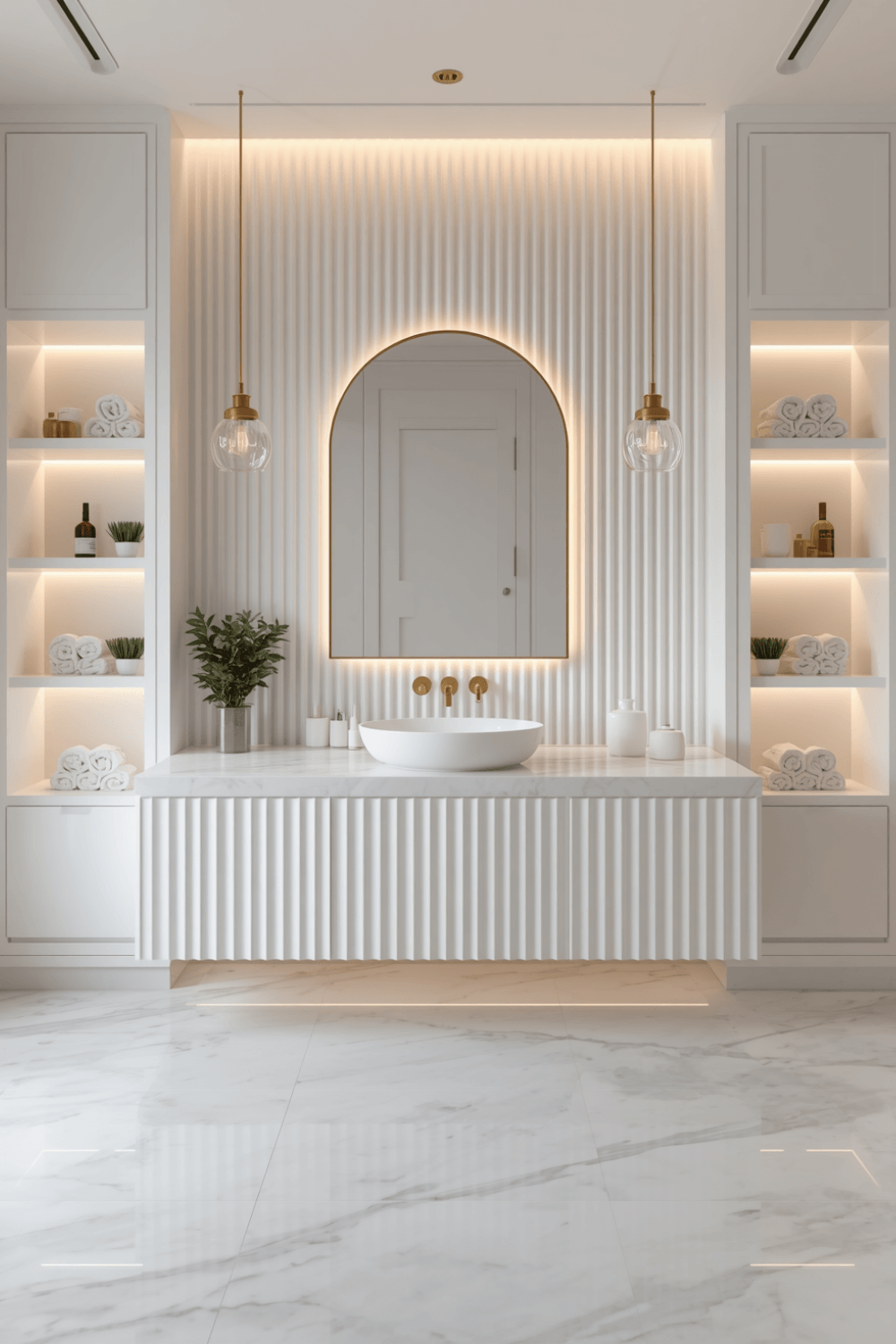
This was the tip that finally made my bathroom look “finished.” A single black-framed mirror, a dark green plant, or matte black faucet hardware breaks up all that white and gives your eyes somewhere to land. My bathroom didn’t feel complete until I swapped my chrome faucet for a matte black one — it was a weekend project, and it made the biggest visual impact for the least amount of money.
6. Keep grout maintenance realistic
Nobody wants to hear this part, but white grout needs actual upkeep. I use a basic grout pen touch-up every few months and a baking-soda-and-water paste for deeper cleaning once a month. It sounds tedious, but it takes maybe fifteen minutes and keeps the whole room looking new.
Real Examples That Actually Work
A friend of mine did her small apartment bathroom in white subway tile, added a jute bath mat, a wood-framed mirror, and greenery on the windowsill. It’s maybe 40 square feet and it looks like something out of a boutique hotel — because she focused on texture and warmth instead of just “more white.”
Another approach I’ve seen work well is white walls paired with a natural stone-look vinyl floor. It gives the illusion of marble without the cost or the slipperiness, and it adds just enough pattern that the room doesn’t feel flat.
Common Mistakes to Avoid
Buying everything in the exact same white. It flattens the whole room. Mix shades and materials instead.
Ignoring your lighting’s color temperature. A beautiful paint color can look completely wrong under the wrong bulb.
Skipping ventilation. White surfaces show mold and mildew fast, especially in humid climates. A simple exhaust fan or even a small dehumidifier makes a real difference in keeping things looking fresh.
Going too sterile with zero color. Even one small plant, a woven basket, or a patterned hand towel keeps the room from feeling like a lab.
Underestimating grout and caulk. This is the thing that ages a white bathroom faster than anything else. Stay ahead of it and it’ll pay off for years.
Final Thoughts
White bathroom decor isn’t about buying the whitest version of everything you can find. It’s about layering warmth, texture, and a little bit of contrast so the space feels lived-in instead of staged. My bathroom went from feeling like a hospital room to somewhere I actually enjoy spending time in, and the changes that mattered most weren’t expensive — they were just smarter choices.
If you’re starting your own white bathroom project, take it slow, test your lighting before committing to paint, and don’t be afraid to break up the white with something dark, natural, or textured. That’s really where the magic happens.